Visa and Mastercard’s $167.5 Million Settlement Covers Surcharges Paid at Non-Bank ATMs Since 2007, With Claims Due Feb. 10
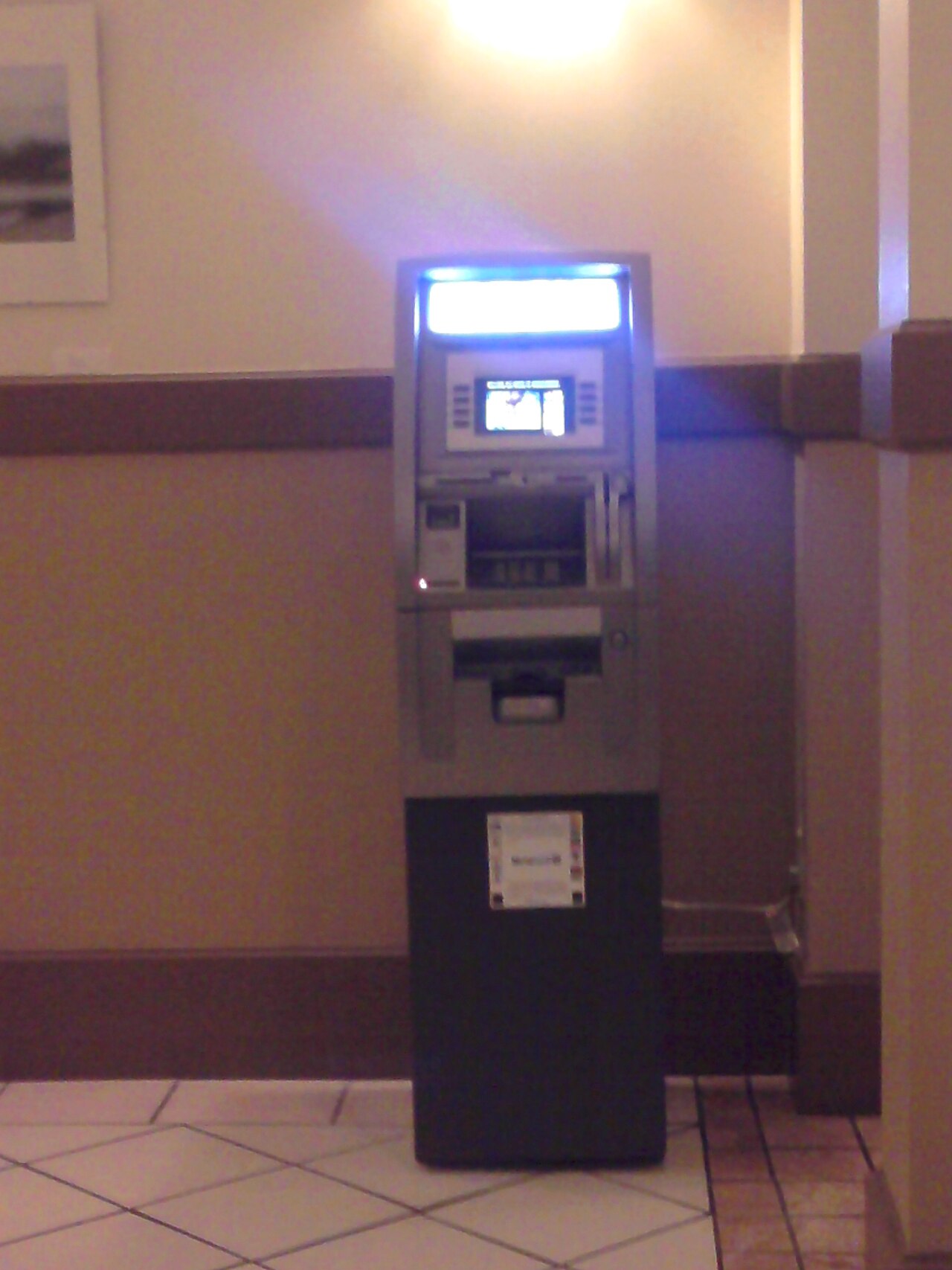
The extra fee that flashes on the screen of a gas station or convenience store ATM before it hands over cash has been the subject of a federal lawsuit for 15 years. Visa and Mastercard have now agreed to pay a combined $167.5 million to settle claims that their network rules pushed those surcharges higher. People who paid such a fee at a non-bank ATM at any point from Oct. 24, 2007, through Aug. 14, 2026, have until Feb. 10, 2027, to file a claim.
Who counts as a class member?
The case is Burke v. Visa Inc., No. 1:11-cv-01882, in the U.S. District Court for the District of Columbia. According to the court-approved long-form notice, the nationwide class covers people who were charged an access fee for a domestic cash withdrawal at an independent ATM in the United States between Oct. 24, 2007, and Aug. 14, 2026, and who were not fully reimbursed by their own bank.
“Independent” is the key word. These are machines owned and run by companies other than banks, rather than the ATMs a bank operates for its own customers. The official settlement website frames the class the same way, as anyone who withdrew cash from a non-bank ATM and was assessed a surcharge in that window. Withdrawals made with credit cards, cash advances and prepaid cards do not count, and the claim form asks whether the transactions used an ATM or PIN-debit card.
There are also separate statewide classes for California, Illinois, Massachusetts and Michigan, the notice says.
How is each share figured?
The money splits by transaction count. The notice says Visa will pay $88,775,000 and Mastercard $78,725,000, and that net funds are distributed to valid claims based on “the number of qualifying surcharged transactions that are submitted.” It adds that “nobody can know in advance how much the payment will be.”
Before anything is paid out, the fund covers costs. Class counsel plans to request attorneys’ fees of up to 30% of the settlement fund, plus expenses and service awards of up to $17,500 for each class representative, according to the notice.
Records are not required up front. The claim form asks for contact information, two yes-or-no eligibility questions and an estimate of how many times the claimant paid such a surcharge during the class period. The form says no documentation is needed at the filing stage, but it warns in capital letters that the claims administrator has the right to request bank statements or other documents to support a claim, and that the form is “SUBMITTED UNDER PENALTY OF PERJURY.”
That makes the estimate the heart of each claim. An Open Class Actions guide to the claim process advises that the number should be one a claimant can defend, since it is certified under oath. Old bank statements showing ATM surcharges can help anyone trying to reconstruct years of withdrawals.
Why did this take 15 years?
The lawsuit was filed in October 2011 as one of three parallel ATM fee cases. It alleges that Visa and Mastercard network rules barred independent ATM operators from offering lower surcharges when a withdrawal could be routed over a cheaper competing debit network, which plaintiffs say left cardholders paying more than they should have. Visa and Mastercard deny wrongdoing, and the settlement is not an admission of liability.
Judge Richard J. Leon granted preliminary approval on Aug. 14, 2026. His preliminary approval order found “that it is likely to approve the Settlement as fair, reasonable, and adequate,” preliminarily certified the settlement classes and named A.B. Data, Ltd. as the settlement administrator. The class representatives are Peter Burke, Kent Harrison, Marin P. Heiskell and Bryan Byrnes, and the order appointed Finkelstein Thompson LLP and Lovell Stewart Halebian Jacobson LLP as class co-lead counsel, with U.S. Bank serving as escrow agent for the fund. Under the order’s schedule, notice had to begin within 28 days and the claim period runs through day 180. The claim period opened Sept. 11, according to the Open Class Actions guide.
The deal carries one escape hatch for the card networks. Visa and Mastercard may terminate the settlement if 6 million potential class members opt out, the guide notes.
What happens next?
The next deadline is for people who want out. Requests to opt out must be received by Dec. 11, 2026, and objections must be postmarked by the same date, according to the notice. Claims are due Feb. 10, 2027, online or postmarked by mail.
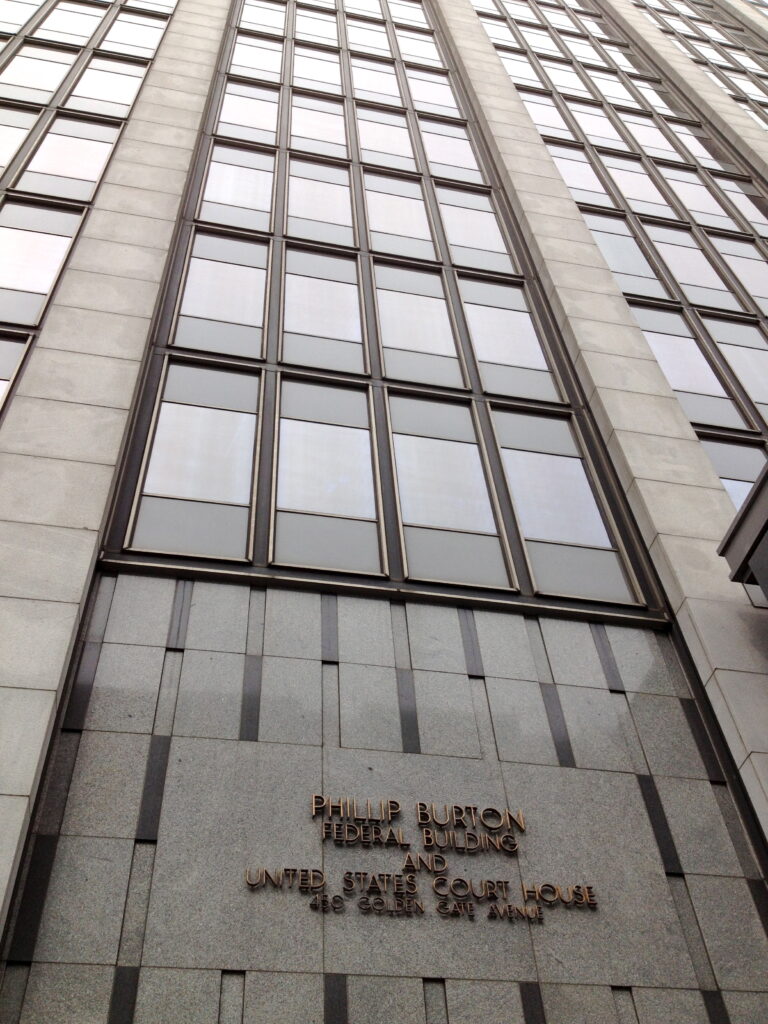
The court will hold its fairness hearing at 4 p.m. on Feb. 17, 2027, in Courtroom 18 of the federal courthouse at 333 Constitution Avenue N.W. in Washington. Payments would come only after final approval and the resolution of any appeals, as other recent cases have shown, including Google’s $68 million Assistant settlement, which won final approval without a payment date.
Questions go to the administrator, A.B. Data, at 1-866-893-1052 or by mail to Non-Bank ATM Surcharge Fee Settlement, P.O. Box 173053, Milwaukee, WI 53217. A separate case over bank-owned ATMs has its own settlement, and the Open Class Actions guide stresses that this claim covers only non-bank machines.
For a household that relied on corner-store ATMs over nearly two decades, the share depends on the count. Claimants who file by the February deadline with a number they can support would share the net fund with every other valid claimant. It is one of several claim windows open this fall, alongside Apple’s $250 million Siri settlement.
Get stories like this by email. Sign up for The Parent Diaries Letter.
This article was produced with AI assistance and edited for accuracy against the sources linked above.
Image: Artaxerxes – CC BY-SA 3.0/Wikimedia Commons