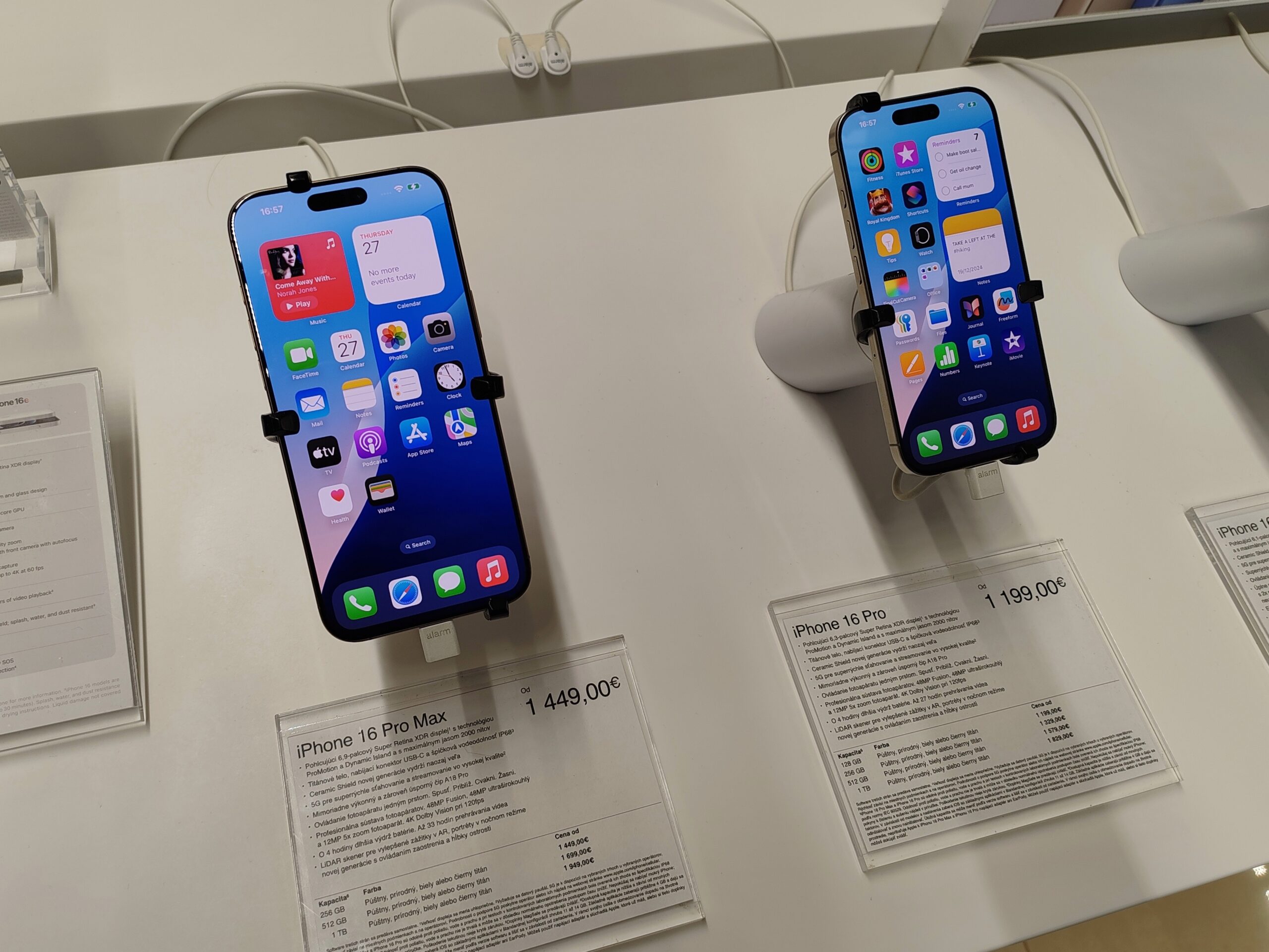
Apple’s $250 Million Siri Settlement Pays $25 Per Eligible iPhone, Possibly Up to $95, With Claims Due Dec. 21
An iPhone 15 Pro or iPhone 16 bought in late 2024 came with a pitch for a smarter Siri that did not arrive on schedule. Owners of those phones now have until Dec. 21 to claim a share of Apple’s $250 million settlement over that delay, with the official settlement website listing a payment of $25 per eligible device that could rise to as much as $95.
The claim window opened Sept. 21. Apple denies wrongdoing and agreed to settle to avoid the cost and risk of a trial.
Which iPhones and Which Buyers Qualify
The settlement covers seven models, according to the settlement site:
- iPhone 15 Pro
- iPhone 15 Pro Max
- iPhone 16
- iPhone 16e
- iPhone 16 Plus
- iPhone 16 Pro
- iPhone 16 Pro Max
To qualify, the phone must have been bought in the United States between June 10, 2024 and March 29, 2025. The claimant must be the original purchaser, must live in the United States and must have bought the phone for personal or business use, not for resale. Apple, its employees and the judicial officers on the case are excluded.
There is one more condition. iClarified reported when claims opened that each claimant must confirm they expected certain Siri Apple Intelligence features when they bought the phone and did not receive them.
Where the $25 Figure Comes From, and Why It Could Change
The case is Landsheft et al. v. Apple Inc., in the U.S. District Court for the Northern District of California. Judge Noël Wise granted preliminary approval on July 17, 2026, according to the settlement site and iClarified.
The $250 million is not split evenly among every phone sold. Notice and administration costs, taxes, attorneys’ fees, litigation costs and any service awards for the named plaintiffs come out first. The settlement site says each valid claim gets $25 per device, an amount that “may increase pro rata” up to $95 or may go down, depending on how many valid claims are filed and other factors.
9to5Mac reported that the $95 ceiling would come into play if fewer people file. The same report said the judge rejected an objection arguing that the settlement lumped together class members whose claims had very different values.
The suit centered on Apple’s 2024 announcement of Apple Intelligence and a more capable Siri. 9to5Mac noted that Apple unveiled the features at its June 2024 developers conference and delayed some of them in March 2025. The lawsuit, filed by Clarkson Law Firm, alleged Apple promoted capabilities that did not yet exist, The Washington Times reported in May.
In a statement quoted by the paper, Apple said it had “reached a settlement to resolve claims related to the availability of two additional features” and that it settled in order to stay focused on its products and services.
Apple also pointed to the Apple Intelligence features that did ship, 9to5Mac reported, including Writing Tools, Clean Up and Visual Intelligence.
How to File Before Dec. 21
Claims are filed through the settlement website, online or by mail postmarked by Dec. 21, 2026. That is also the deadline to opt out or to object.
Anyone with more than one eligible iPhone must file a separate claim for each device. The settlement site says the phone’s serial number can be found under Settings, then General, then About, or on the original box, receipt or invoice. iClarified reported that buyers without the serial number can instead use the Apple Account email and phone number tied to the device, and that claimants can choose a physical or digital check. A claim ID and PIN may be emailed to eligible buyers, but they are not required to file.
The settlement administrator is Verita Global, according to 9to5Mac, which also reported that notices inviting claims had to go out by Aug. 31.
The final approval hearing is set for Feb. 24, 2027, according to the settlement site. 9to5Mac reported that checks would not go out until at least 60 days after final approval. Waiting on a final order has slowed payouts in other cases too, including AT&T’s $177 million data breach settlement.
Telling the Real Notice From a Fake
Settlement notices tied to big brands are worth double-checking before anyone types in personal details. Consumer advocates at AARP recommend searching for the case name plus “settlement website” rather than clicking links in an email or scanning a QR code, and checking that the case details match.
Vanderbilt University law professor Brian Fitzpatrick told AARP that a real settlement should never charge processing or filing fees. AARP also flags requests for a Social Security number or bank account number as a warning sign. A mailing address, phone number or email is normal for a claim form.
Jer Nixon, a class action attorney at The Simon Law Firm, told AARP that once a notice is confirmed as legitimate, responding is generally worthwhile, because class members who stay in a settlement give up the right to bring their own claim later.
For this case, the official address is smartphoneaisettlement.com. Households tracking other open claims can also check the Dec. 1 deadline in Amazon’s $309.5 million returns settlement, which closes three weeks before Apple’s.
Get stories like this by email. Sign up for The Parent Diaries Letter.
This article was produced with AI assistance and edited for accuracy against the sources linked above.
Image: Jakub CA – CC BY 4.0/Wikimedia Commons