New York Counties Face an Estimated $170 Million a Year in New SNAP Costs After Washington Cut Its Share of Running the Program to 25% on Oct. 1
Erie County is setting aside nearly $14 million in next year’s budget just to keep running SNAP, the food assistance program that until this month Washington paid half the cost of administering. Across New York, county leaders say the same shift adds up to about $170 million a year in new local costs, money that could come out of roads, bridges and programs for older residents.
The change took effect Oct. 1, when the federal share of SNAP administrative costs fell from 50% to 25% under the 2025 budget law. Benefits themselves are still federally funded for now, but the cost of the caseworkers and offices that deliver them has shifted to states and, in New York, largely to counties.
From a 50-50 split to 25% on Oct. 1
A USDA letter to states dated Sept. 28 spells out the new math. As attached to a North Carolina Department of Health and Human Services notice to its county social services directors, it says costs incurred on or after Oct. 1, 2026 are reimbursed at 25% instead of 50%, and that the change cannot be waived. It cites Section 10106 of Public Law 119-21, the law known as the One Big Beautiful Bill Act.
The cut covers staff and contracted services. Employment and training costs stay at the old 50% rate, according to the same notice. North Carolina told its counties to build their 2026-27 budgets around a 75% local share for costs from Oct. 1 through June 30, a sign of how the change is reaching county governments well beyond New York.
New York runs SNAP through its 57 counties and New York City, so most of the new expense lands on local budgets. The New York State Association of Counties said in January that the state Office of Temporary and Disability Assistance estimates about $170 million a year in new administrative costs for counties. In a June report and a July statement, NYSAC put the figure at about $168 million and warned that the shift would also bring added workload and staffing demands, with counties already reassigning staff to keep up.
What county leaders say could be cut
NYSAC executive director Stephen Acquario told Spectrum News on Oct. 9 that counties may have to “cut programs and services, pave less roads and bridges,” and pull back on discretionary programs for older residents to absorb the bill.
Erie County Executive Mark Poloncarz said his county is budgeting nearly $14 million in SNAP-related costs for next year, according to the same report.
The SNAP shift is one piece of a larger squeeze. In April, NYSAC said counties face “at least $870 million” in higher costs starting in 2027, listing about $170 million for SNAP administration and about $180 million in added pension contributions among the drivers. “This wave of new costs is just unsustainable,” Acquario said in that April release.
NYSAC president Phil Church said in the release that counties had warned New York’s congressional delegation this would happen and had urged a federal delay. Ryan McMahon, president of the New York State County Executives Association, said in the same release that “every budget proposal this year allocated zero dollars in new state revenue sharing or unrestricted aid to counties.”
Albany has not promised to pick up the tab
Counties have asked the state to take on their share of the added SNAP administrative costs. Gov. Kathy Hochul told Spectrum News that the state has been helping, pointing to times the state has backfilled federal cuts, but she did not commit to new money for this shift. Acquario said NYSAC had received no commitment from the governor or the state budget director.
In its April release, NYSAC laid out three requests of the state: take over the counties’ share of the added SNAP administrative costs, provide substantial county relief in the 2026-27 state budget comparable to proposals for other municipalities, and honor a 2012 commitment to pre-fund future pension benefit enhancements.
NYSAC also joined food banks this summer in asking Congress for a two-year delay of the cost shift, according to the group’s SNAP updates page. That delay did not come before the Oct. 1 start date.
A bigger bill could follow in 2027
The administrative shift is only the first stage. Starting Oct. 1, 2027, states with high payment error rates must pay a share of SNAP benefit costs for the first time. NYSAC’s January release said New York could face a penalty of up to $1.2 billion if its error rate stays above the federal threshold, and that the state had not yet decided whether any of it would be passed down to counties.
The Center on Budget and Policy Priorities places New York among the states in the top 15% tier, based on fiscal 2025 error rates, alongside California.
For SNAP households, none of this changes the monthly benefit amount directly. The concern raised by counties is about the offices that process applications and recertifications at a time when caseloads are shifting quickly. Readers can follow how USDA raised the family-of-four maximum to $1,023 a month on Oct. 1, and what would happen if Congress misses the Dec. 11 funding deadline.
County budgets for 2027 are being written this fall. Erie County’s proposed budget was due Oct. 15, according to Spectrum News. Unless Albany steps in, each county’s share of the roughly $170 million has to be covered from local revenue in those budgets.
Get stories like this by email. Sign up for The Parent Diaries Letter.
This article was produced with AI assistance and edited for accuracy against the sources linked above.
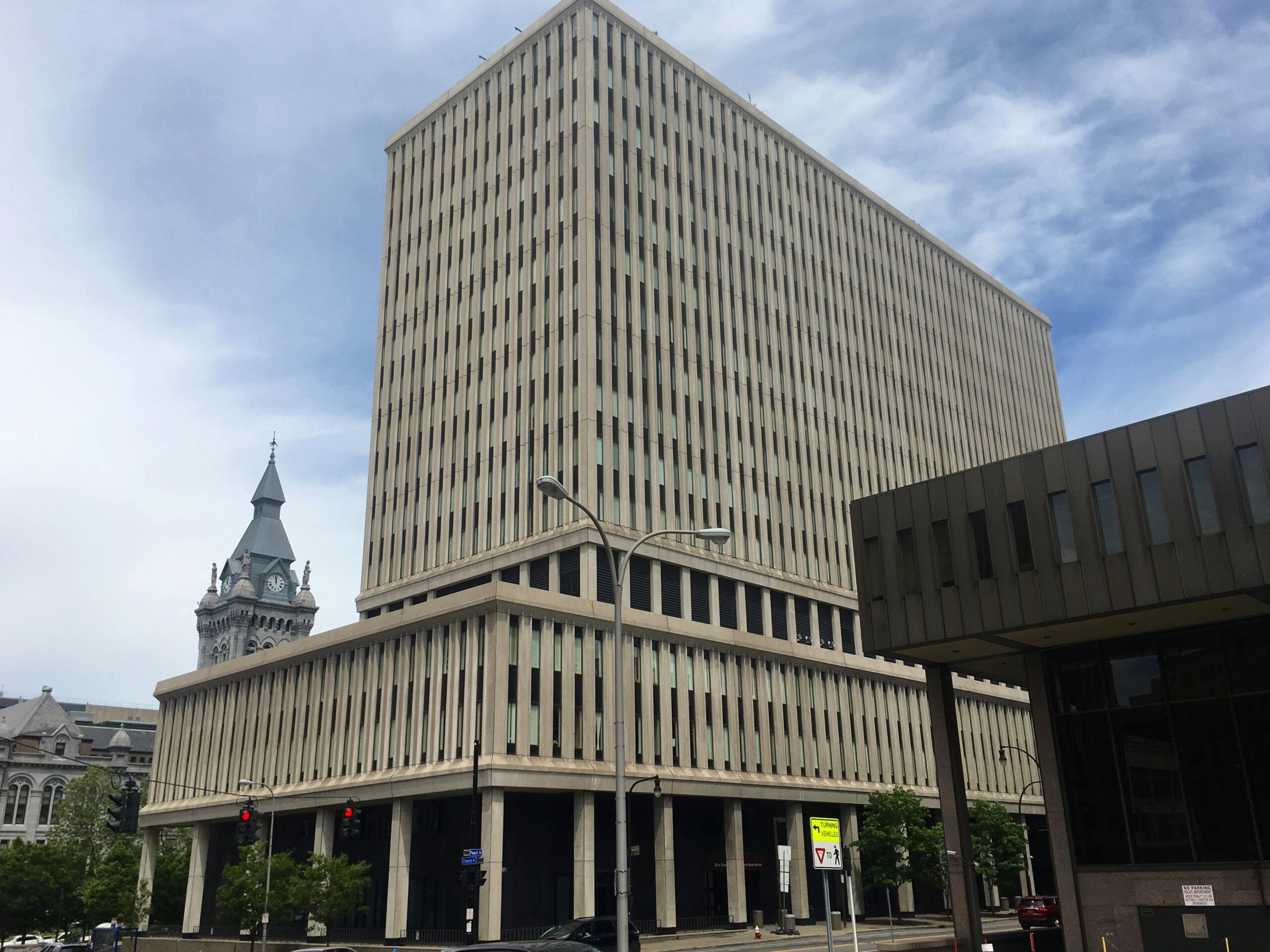
Image: Andre Carrotflower – CC BY-SA 4.0/Wikimedia Commons