Medicare Part D’s Standard Deductible Climbs From $615 to $700 in 2027 as a Temporary Premium Subsidy Ends Early
The first pharmacy run of January is when Medicare drug-plan changes stop being paperwork and start showing up at the register. For 2027, the standard Part D deductible, the amount an enrollee can be asked to pay before a plan starts sharing drug costs, rises from $615 to $700, according to the Associated Press. At the same time, a temporary federal subsidy that kept stand-alone drug-plan premiums in check is ending at the close of 2026, earlier than the run of at least three years CMS first described.
Both changes land in the same open enrollment window, which the Centers for Medicare & Medicaid Services says runs from Oct. 15 through Dec. 7, 2026.
An $85 Jump in the Deductible Ceiling
The $700 figure is the maximum deductible a standard Part D plan can charge in 2027. Plans can set a lower deductible or none at all, but the standard benefit is built around that ceiling. The trade publication Becker’s Hospital Review, summarizing CMS’s final 2027 rate announcement, reported that “the standard Part D deductible will rise from $615 to $700, and the annual out-of-pocket threshold will rise from $2,100 to $2,400.”
That works out to an $85 increase in the deductible. The higher annual cap means enrollees with expensive prescriptions can be asked to pay up to $300 more over the year before Medicare’s catastrophic protection takes over. CMS explains in its 2027 Rate Announcement that both figures are calculated by applying the program’s annual percentage increase to the 2026 amounts, as the law requires.
For someone on a single brand-name drug that costs several hundred dollars a month, the deductible is often reached in the first fill or two of the year. That is why January tends to be the month enrollees notice the change. The details of the new cap were covered earlier in the $2,400 out-of-pocket limit for 2027.
The Premium Stabilization Demonstration Ends After 2026
The subsidy at the center of the second change is the Part D Premium Stabilization Demonstration. CMS created it in 2024, and it took effect in 2025 to cushion stand-alone prescription drug plan premiums while the Inflation Reduction Act redesigned the Part D benefit.
According to KFF’s analysis, CMS said when it set up the program in 2024 that it “could last for at least three years.” In 2025 it cut the base premium by $15 and limited monthly premium increases to $35. In 2026 the reduction shrank to $10 and the allowed increase grew to $50. KFF puts the cost at about $9.8 billion over the two years.
The program had a measurable effect. KFF cites MedPAC estimates that the extra subsidies lowered the average monthly stand-alone plan premium by $26 in 2025 and by $16 in 2026. Even with that help, KFF found the average 2026 stand-alone plan premium was $36 a month, more than four times the $8 average for drug coverage inside Medicare Advantage plans.
The health industry outlet Healthcare Dive reported that the Trump administration had already scaled back parts of the program before deciding to end it entirely, and that the 2027 average bid represents a 24% increase from the year before.
On July 28, 2026, CMS said in its Part D bid fact sheet that it “will discontinue the demonstration at the end of CY 2026.” The agency said plan sponsors now have enough experience with the redesigned benefit to build their 2027 bids without the extra support.
What CMS Projects for Premiums
The same fact sheet put the 2027 national average monthly bid at $296.05 and the base beneficiary premium at $41.33. Under the Inflation Reduction Act, increases in the base beneficiary premium are capped at 6% a year through 2029. The figures also appear in CMS’s July 28 Part C and D announcement.
In a Sept. 28 press release, CMS projected that the average total monthly premium for stand-alone drug plans will rise by less than $1, from $35.09 in 2026 to $36 in 2027. The agency also said 88% of non-low-income beneficiaries will have access to a basic Part D plan costing $10.30 a month or less. CMS Administrator Dr. Mehmet Oz said in the release that the agency was “keeping premiums stable” and urged beneficiaries “to use open enrollment as an opportunity to review their coverage.”
An average can hide large swings for individual plans. KFF warned that some stand-alone plan enrollees “could face a larger premium increase” for 2027 than in recent years, because the demonstration had held down the year-over-year jumps. According to KFF, enrollment in stand-alone drug plans grew from 22.8 million in 2024 to 24.9 million in 2026.
Why the Open Enrollment Window Matters
The Annual Notice of Change that plans mail each fall lists a plan’s 2027 premium, deductible and drug list. Enrollees who stay put are moved into those terms automatically on Jan. 1. Juliette Cubanski, who directs KFF’s Medicare policy program, told the AP that open enrollment is “an opportunity to evaluate the coverage they have and see if there might be better options.”
Comparing plans means checking three numbers together: the monthly premium, the deductible up to $700, and whether each prescription is covered and at what tier. A plan with a low premium and the full $700 deductible can cost more over a year than a plan with a higher premium and no deductible, depending on the drugs involved. Medicare Advantage enrollees face their own set of changes, covered in the 2027 Medicare Advantage premium projection.
The deductible change applies to the standard benefit design, so enrollees in plans that already waive the deductible for lower-cost generic tiers may see little difference at the counter. Those whose plans charge the full standard deductible on every tier are the ones most likely to feel the full $85 increase in the first weeks of the year.
Changes made by Dec. 7 take effect on Jan. 1, 2027, the same day the higher deductible and the end of the premium subsidy kick in.
Get stories like this by email. Sign up for The Parent Diaries Letter.
This article was produced with AI assistance and edited for accuracy against the sources linked above.
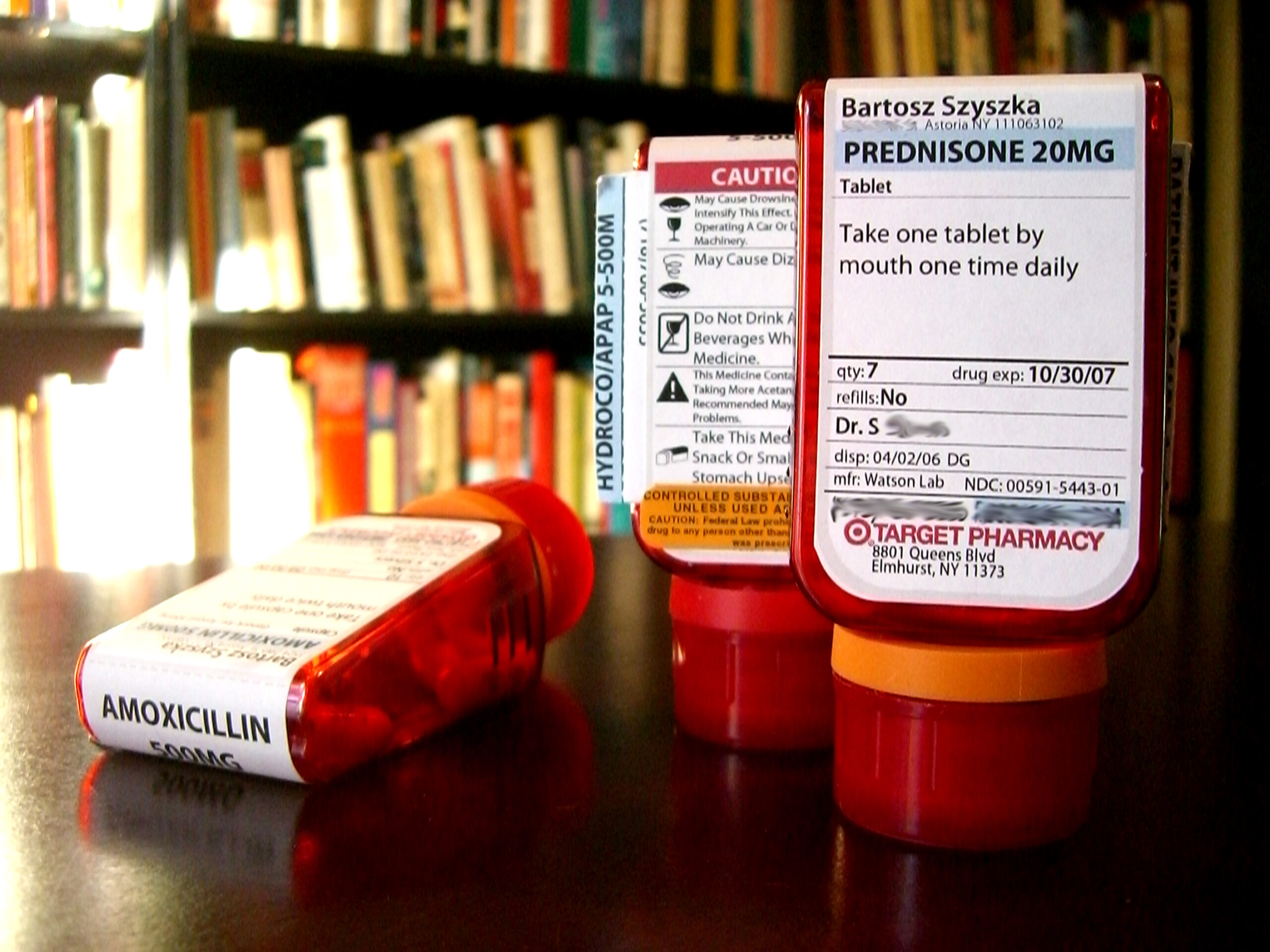
Image: Bart from New York, USA – CC BY 2.0/Wikimedia Commons