Social Security Added 17 Million Missing Dates of Death to Its Records in a Cleanup Touching Nearly 390 Million SSN Files
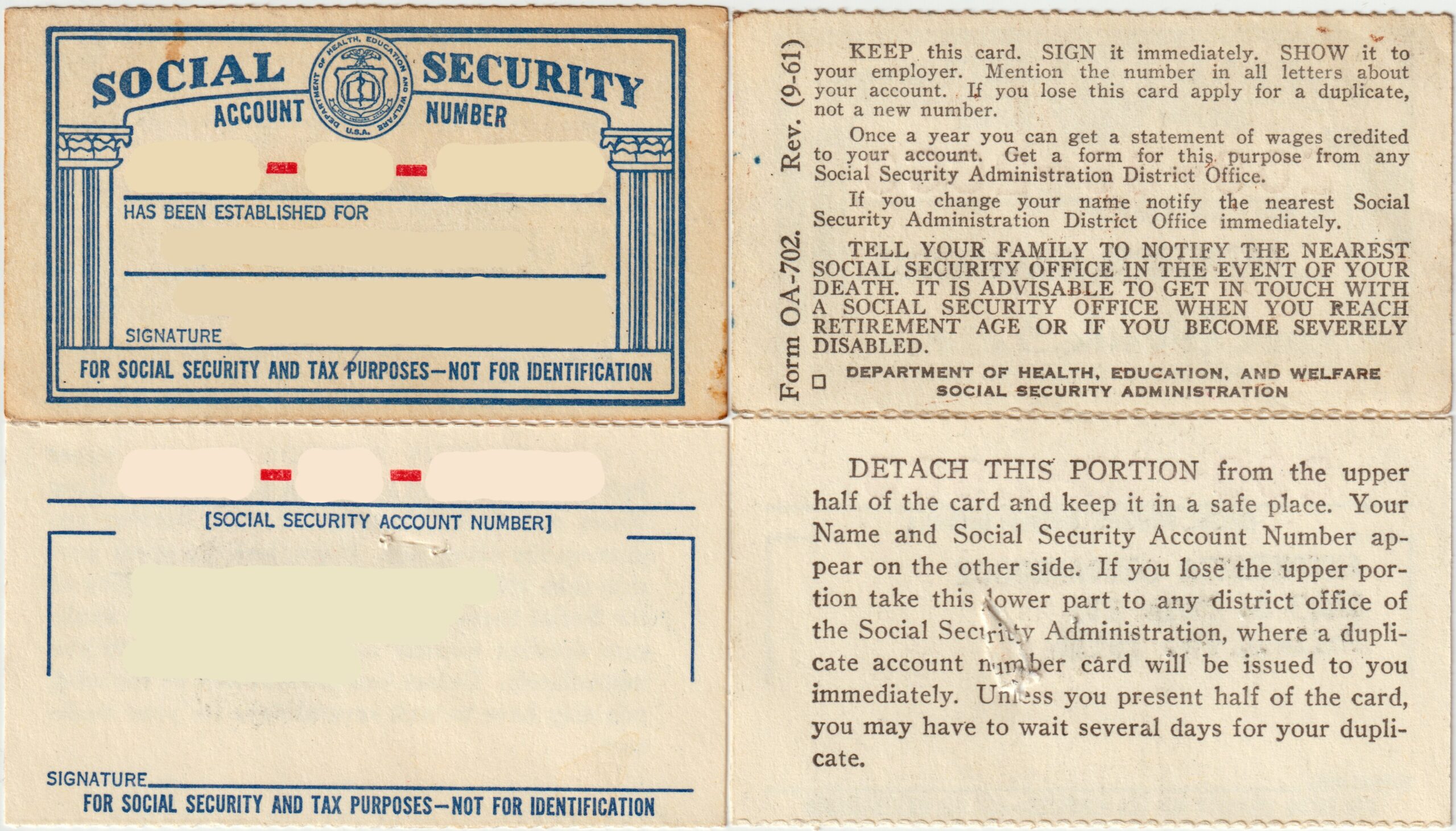
Every Social Security number has a file behind it, and for millions of Americans who died years ago, that file never said so. The Social Security Administration said on Oct. 20 that it has now added 17 million missing dates of death to its records, part of a cleanup that touched nearly 390 million Social Security number files.
The agency called it the most comprehensive record cleanup in its 91-year history. For people who collect a monthly check, the work is mostly invisible, but the agency says federal and state agencies use these records to verify identities and prevent improper payments.
What Social Security Says It Changed in the SSN Database
According to the agency’s release, Social Security corrected nearly 15% of all active Social Security numbers, covering about 330 million U.S. citizens and nearly 390 million records in total. The changes came in three batches:
- 17 million dates of death added to records that had none, using Social Security’s own systems and data from the State Department
- About 25 million records with missing citizenship information updated through the Department of Homeland Security’s SAVE verification service
- An additional 8.5 million records with inaccurate citizenship status, which the agency says it is still correcting
The agency also said it added stronger internal controls to cut errors from manual data entry.
Commissioner Frank J. Bisignano described the Social Security number database in the release as the nation’s “books and records.” He added: “This is the first time SSA has undertaken an effort of this scale.”
The release does not say the cleanup changes anyone’s benefit amount. Newsweek reported that the update will not change ordinary recipients’ monthly payments. Alex Beene, a financial literacy instructor at the University of Tennessee at Martin, told the magazine that more accurate records could prevent wrong payments, but that officials need to “ensure these changes don’t mistakenly interrupt legitimate benefits.”
A Gap the Agency’s Own Watchdog Flagged in 2023
The missing death dates are not a new discovery. In July 2023, Social Security’s Office of the Inspector General published an audit titled Numberholders Age 100 or Older Who Did Not Have Death Information on the Numident. The Numident is the master file of every Social Security number ever issued.
The inspector general found about 18.9 million numberholders born in 1920 or earlier with no death information on file, while the Census Bureau estimated only about 86,000 Americans were 100 or older. It said the agency had no controls to add death information to records of people who had outlived any reasonable life expectancy.
Most of those records did not involve payments. The watchdog said about 15.8 million belonged to people who were not currently receiving benefits. But it warned that the gaps weakened fraud prevention across the government, and it pointed to another problem: in tax years 2016 through 2020, about $8.5 billion in wages and self-employment income was reported under 139,211 Social Security numbers assigned to people 100 or older.
The audit recommended using death data already in Social Security’s systems, plus Medicare and state death files, to fill in millions of those records. Social Security disagreed with the recommendations at the time. The new release describes the agency now doing that kind of bulk update, drawing on its internal systems and State Department data.
The records work lands in the same month the agency set next year’s benefits. Readers following those numbers can see how the 3.6% raise for 2027 lifts the average retirement check.
What a Living Beneficiary Can Do If the Record Gets It Wrong
Bulk updates raise an obvious worry for the living: being marked dead by mistake. Social Security says that already happens, rarely. In a March 2025 post on its blog, the agency said it receives more than three million death reports a year, and that less than one-third of 1% are wrong and need to be corrected.
When it does happen, the agency acknowledged, it can cause real financial hardship, because benefits stop until the record is fixed. Most death reports come from states, with others from relatives, funeral homes, federal agencies and banks.
Social Security’s official guidance for anyone wrongly listed as deceased is to visit a local Social Security office as soon as possible with at least one current identity document. Accepted documents include a passport, driver’s license, employee or school ID, military record, marriage or divorce record, health insurance card (but not a Medicare card), a certified medical record or a life insurance policy. The agency requires originals or copies certified by the issuing agency, and it does not accept photocopies, notarized copies or expired documents.
Once the record is corrected, the agency offers a letter titled “Erroneous Death Case – Third Party Contact,” which a person can hand to banks, doctors or anyone else who received the bad report.
For families of people who have died, the cleanup matters in a different way. The 2023 audit noted the agency planned to share its full Death Master File with the Treasury Department’s Do Not Pay portal, which screens federal payments. Reporting by al.com, carried by CPA Practice Advisor, noted that Bisignano tied the work to preventing fraud across federal programs and to proper benefit administration, echoing the inspector general’s concern about fraud and improper payments.
Social Security has not said when the remaining 8.5 million citizenship corrections will be finished. Beneficiaries already managing their benefits online, including those who signed up before the Nov. 18 deadline to see the 2027 COLA notice online, can contact the agency directly if anything in their record looks wrong.
Get stories like this by email. Sign up for The Parent Diaries Letter.
This article was produced with AI assistance and edited for accuracy against the sources linked above.
Image: N Giovannucci – CC BY-SA 4.0/Wikimedia Commons