Kia Owners Can Recover Up to $400 Per Window Regulator Repair on Certain 2016-2017 Optimas and 2017 Sportages, With Claims Due Nov. 23
A power window that drops into the door and will not come back up is more than an annoyance in winter or a rainstorm, and for some Kia Optima and Sportage owners it has meant a repair bill. A class action settlement now offers reimbursement of up to $400 per window regulator repair on certain 2016 and 2017 Optimas and 2017 Sportages. Claims are due Nov. 23.
The cars on the VIN list
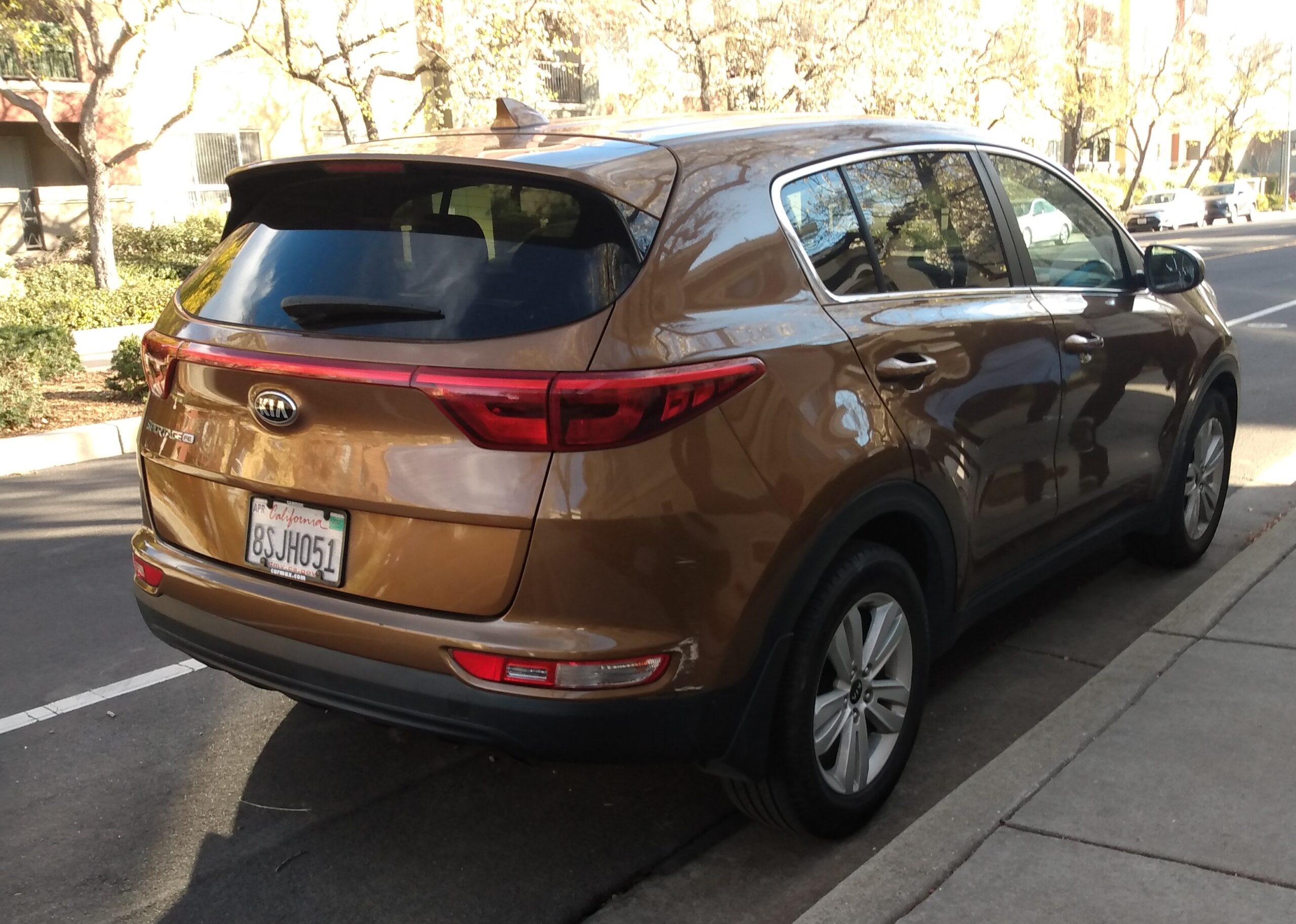
The case is Le Beau et al. v. Kia America, Inc., No. 8:22-cv-01545, in the U.S. District Court for the Central District of California. According to the court-approved class notice, it covers certain 2016-2017 Kia Optima and all 2017 Kia Sportage vehicles, identified by a list of vehicle identification numbers.
Model year alone does not settle the question for the Optima. An Open Class Actions breakdown of the settlement notes that the official VIN lookup is the way to confirm coverage. The official settlement website hosts that lookup along with the claim form.
Current and former owners and lessees who live in the United States or Washington, D.C., can be part of the class. The notice and the court’s order exclude Kia and its affiliates, the presiding judge and immediate family, fleet vehicles, total-loss vehicles, insurers, extended warranty providers and dealerships, along with people who previously released these claims against Kia.
A window regulator is the mechanism inside the door that raises and lowers the glass. The lawsuit alleged that the automatic window regulators in these vehicles had drums or gears that could separate or break, leaving power windows inoperable. As ClassAction.org summarized the claims, plaintiffs argued this was also a safety risk, since a window can serve as an escape route after a crash. Kia denies the claims, and the notice states that the settlement does not mean Kia broke any laws.
Mileage sets the refund
The reimbursement shrinks as the odometer climbs. Under the notice, owners can recover a share of out-of-pocket parts and labor for an out-of-warranty window regulator repair, based on the mileage when the part failed:
- Under 35,000 miles: 100%, up to $400
- 35,001 to 55,000 miles: 80%, up to $320
- 55,001 to 75,000 miles: 60%, up to $240
- 75,001 to 125,000 miles: 45%, up to $180
- 125,001 miles or more: 40%, up to $160
The math works on the amount actually paid. A $350 repair done at 60,000 miles, for example, would qualify for 60%, or $210, which falls under that tier’s $240 cap. A $500 repair done at 20,000 miles out of warranty would be capped at $400 even though the percentage is 100%.
Up to four regulator repairs per VIN are covered. A vehicle that needed several window regulators replaced over the years could therefore qualify for more than one reimbursement, each figured on the mileage at that repair.
Current owners and lessees who never paid for a repair have another option. They can request a $40 dealer service card instead, which ClassAction.org reports can be used at an authorized Kia dealer for service, merchandise or parts within six months of issuance.
Repair orders do the heavy lifting
The paperwork is what makes or breaks a reimbursement claim. ClassAction.org reports that owners need a repair order or similar document showing the VIN, the window regulator repair, the mileage at the time of repair, the date and cost, and proof of payment. For the $40 card, proof of current ownership or lease of an eligible vehicle is enough.
For many owners, those records sit with the dealer or independent shop that did the work, which may be able to reprint an old invoice. A credit card or bank statement can help show payment.
Claims must be submitted online or postmarked by Nov. 23, 2026, less than four weeks away. Valid claims are paid as they are approved after the settlement’s effective date, which follows final approval and the end of any appeals, the notice says. The opt-out and objection deadline already passed on Oct. 23, so anyone in the class who does not file a claim is still bound by the settlement but receives nothing for a past repair.
Kia’s position and the Jan. 7 hearing
U.S. District Judge Fred W. Slaughter granted preliminary approval on June 8, 2026. In the preliminary approval order, he wrote that “the court therefore GRANTS provisional certification of the Class for settlement purposes,” appointed Kroll as settlement administrator and set the final approval hearing for Jan. 7, 2027, at 10 a.m. in Courtroom 10D. The motion for preliminary approval was unopposed, and the judge found at this stage that the settlement appears fair, reasonable and adequate and that the claims process and notice plan were adequate. The court can move the hearing without further notice to the class.
The judge also flagged issues for that hearing, including a provision barring Kia from opposing a fee request capped at $1,244,000 and the timing of fee payments compared with payments to class members. Class counsel will request up to $1,244,000 for fees, costs and expenses, plus $1,500 service awards for each of the four class representatives, according to the notice.
Payments and digital dealer service cards are expected about 90 days after final approval, according to a ClaimDepot summary of the settlement. Questions go to Kroll Settlement Administration at 1-833-930-0988.
Other household-name settlements this fall have similar paperwork demands, including Amazon’s $309.5 million returns settlement, which also runs on a claim deadline.
Get stories like this by email. Sign up for The Parent Diaries Letter.
This article was produced with AI assistance and edited for accuracy against the sources linked above.
Image: DestinationFearFan – CC BY-SA 4.0/Wikimedia Commons