Cash App Owner Block Agreed to a $12 Million Settlement for Users Who Were Tricked Into Sending Money, Pending a Judge’s Approval
Two Los Angeles County residents found what looked like a crypto investment opportunity on social media in early 2024, opened Cash App accounts as instructed and sent their money off. One lost about $3,200 and the other close to $20,000. Their lawsuit against Cash App’s parent company, Block Inc., has now produced a proposed $12 million settlement for users who were tricked into sending money through the app, though a federal judge still has to sign off before anyone can file a claim.
A $12 million fund for people misled into sending money
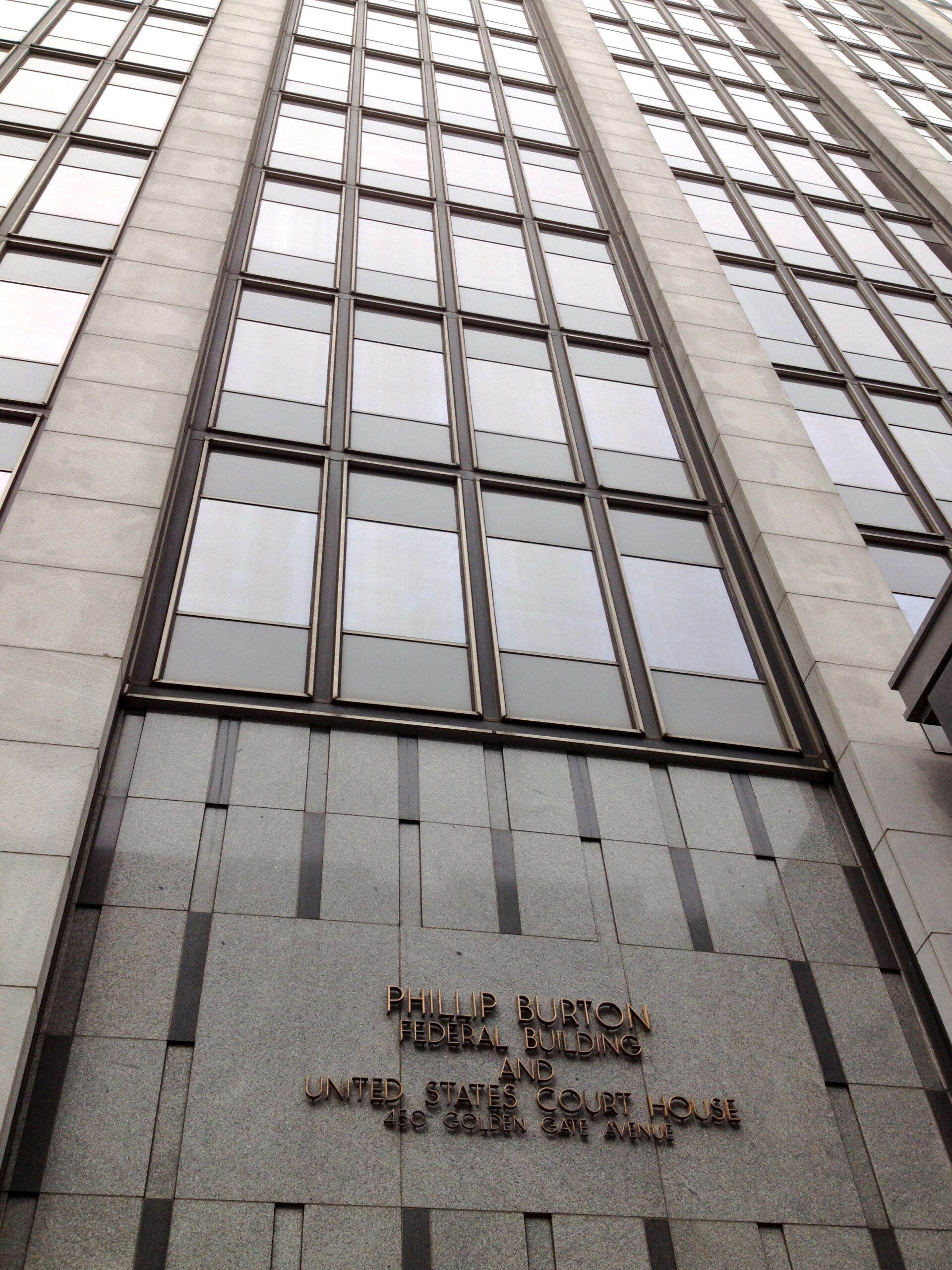
The settlement was filed on Oct. 9 in Tucker v. Block, Inc., No. 3:25-cv-00370, in the U.S. District Court for the Northern District of California, according to an Open Class Actions review of the filing. Block would pay $12,000,000 into a fund. Valid claims would be reimbursed on a pro rata basis, and class counsel’s fees and costs would come out of the same fund. No per-person estimate has been announced.
The proposed class, as described in the draft notice, covers people who sent money or cryptocurrency on Cash App from Jan. 10, 2021, through the date of preliminary approval, where the money was never refunded and was sent because of a misrepresentation by the recipient, someone acting for the recipient or someone connected to the transaction.
The deal draws a sharp line around account takeovers. Transfers the account holder did not start or authorize, such as money moved after a hacker took over an account, are excluded. The proposal is aimed at people who hit “send” themselves because someone lied to them.
Block denies the allegations. The class definition is not final until the court approves it, and the hearing on the motion for preliminary approval has been rescheduled, according to the same review. There is no settlement website, claim form or deadline yet.
How the lawsuit started
David Tucker and Lucille Moragne filed the case on Jan. 10, 2025. Their class action complaint says both were drawn into a scheme called Ultimate Partners Investments, which they found through TikTok, Facebook and Telegram. The operation told them to open Cash App accounts, convert cash to bitcoin and send it to wallet addresses or $Cashtags. When they tried to withdraw, they were told to pay taxes or fees first. Moragne lost about $3,200; Tucker lost close to $20,000.
The complaint accused Cash App of falling short on anti-money-laundering and customer-verification duties under federal and California law, allowing lightly verified accounts to keep receiving funds and marketing itself as “safe” and “secure” while that happened. It cited whistleblower accounts and claimed that “Cash App blatantly disregards these duties to maximize its profit.” Those are allegations, and none has been proven in court.
The case nearly ended early. In a Dec. 15, 2025, order, Chief Judge Maxine M. Chesney dismissed the complaint for lack of standing, finding it did not connect the plaintiffs’ losses to any specific statutory violation and noting that it “fails to include the particular statutory provision(s) on which they rely.” She allowed the plaintiffs to amend, and an amended complaint followed on Jan. 16, 2026. The case docket tracks the filings that led to the October settlement.
Not the same as the CFPB checks
Cash App users have seen several settlements in the past two years, and they are easy to confuse. This $12 million proposal is separate from the Consumer Financial Protection Bureau order Block agreed to in January 2025. According to an Open Class Actions summary of the CFPB redress, that order requires at least $75 million and up to $120 million in consumer redress plus a $55 million penalty. It covers customers whose unauthorized-transaction disputes were mishandled between July 1, 2019, and Jan. 16, 2025, and checks began mailing on June 8, 2026, with no claim form needed.
There is also a $45 million agreement with 46 states and Washington, D.C., which Block reached on July 8, 2026. That money goes to the states, not directly to consumers, according to a summary of the multistate deal. It requires Block to keep live phone support, respond to unauthorized-transaction complaints within three business days and warn customers about common fraud schemes.
The difference matters. The CFPB and state actions focused largely on unauthorized transactions and dispute handling. The new $12 million proposal is built for the opposite situation: payments the user did authorize, but only because a scammer lied to them.
What happens before any claim form
For now, there is nothing to file, and no amount per person has been estimated, so any figure circulating online for this case is not based on court records. If the judge grants preliminary approval, a settlement administrator would set up a website, send notices and open a claim period with a deadline, and a final approval hearing would follow. Payments would come only after final approval.
Until then, people who lost money to a scam on Cash App can keep records of the transfers, including dates, amounts, $Cashtags and any messages from the scammer, since those details are the kind of information settlement claim forms typically request.
Any message today claiming to collect a fee or bank login to “register” for the Cash App scam settlement is not legitimate, because no claim process exists yet. Earlier coverage of household-name payouts, including AT&T’s $177 million data breach settlement, shows how long the path from proposal to payment can run.
Get stories like this by email. Sign up for The Parent Diaries Letter.
This article was produced with AI assistance and edited for accuracy against the sources linked above.
Image: Sam Wheeler – CC BY-SA 3.0/Wikimedia Commons