Alaska Sends Its Next Round of $1,200 Permanent Fund Dividends on Nov. 19 to Applications Marked Eligible by Nov. 11
For Alaskans still waiting on this year’s Permanent Fund Dividend, the date that matters most is Nov. 11, not Nov. 19. Applications that reach “Eligible-Not Paid” status by that Wednesday are scheduled for the state’s next distribution of $1,200 payments on Thursday, Nov. 19. Anyone who misses the cutoff rolls into a December payment run.
The Nov. 11 cutoff and the Nov. 19 payment
The Alaska Department of Revenue’s Permanent Fund Dividend Division lists three remaining distribution dates for 2026 and prior-year applications. Applications in “Eligible-Not Paid” status on Oct. 12 were paid Oct. 22. Those in that status on Nov. 11 are set for Nov. 19, and those in that status on Dec. 9 are set for Dec. 17.
The Nov. 19 round covers applications decided after the earlier cutoffs. The division’s frequently asked questions explain that online applicants who chose direct deposit and were found eligible by Sept. 18 were paid on Oct. 1, and that web and paper applications found eligible by Oct. 12 were paid on Oct. 22. Eligibility decisions made after those dates, the FAQ says, are “distributed in the next monthly distribution.”
Paper filers face a longer wait before their status even updates. The FAQ asks people who applied on paper to allow four to six weeks of processing before checking status, which can be done at any time through the state’s online PFD portal using the applicant’s Applicant Locator Number.
How the money arrives also depends on the application. Direct deposit goes to the account on file, but the division says a payment goes out as a mailed check if the bank rejected the deposit, and some people who were paid by check last year may get a check again. Checks are mailed from Juneau and are not sent to addresses where the Postal Service has returned mail as undeliverable, so an outdated address can hold up a payment.
Who qualifies for the 2026 dividend
The basic rules have not changed. The division’s eligibility requirements say an applicant must have been an Alaska resident for all of calendar year 2025 and must intend to remain an Alaska resident indefinitely. Anyone who was out of the state for more than 180 days during 2025 must have been away on an allowable absence under the state’s absence rules.
Some applicants are excluded by law. A person sentenced for a felony in 2025, or incarcerated during 2025 because of a felony conviction, is not eligible. Incarceration for a misdemeanor can also disqualify someone who has a prior felony or two or more prior misdemeanors since Jan. 1, 1997.
Applications that need more review on points like these are paid in later monthly distributions once a decision is made, rather than waiting for the following year.
Where the $1,200 comes from
This year’s payment has two parts. According to Alaska’s News Source, reporting with the Alaska Beacon, the Legislature set the base dividend at $1,000 in the state budget, and a $200 bonus was added because oil prices reached the threshold needed to trigger it. Both the Legislature and the Department of Revenue call that extra amount an “energy relief payment.” The state expects to spend more than $800 million on this year’s dividends.
The division treats the two pieces as a single deposit. Its tax page says the 2026 dividend of $1,200 “includes the Energy Relief Payment” and that the amounts are “combined as one payment,” so recipients will not see a separate $200 transaction.
Gov. Mike Dunleavy signed the budget that set the amount, the station reported.
Smaller than the 2022 through 2024 dividends
Even with the energy bonus, the 2026 payment sits below several recent years. The division’s summary of dividend applications and payments shows the 2025 dividend at $1,000, the 2024 dividend at $1,702 and the 2023 dividend at $1,312. The record remains the $3,284 paid in 2022.
The program dates to 1982, when the first $1,000 dividends went out in June, according to the division’s historical timeline. The same timeline notes that in 2008 a one-time resource rebate was added to the dividend and payments were moved up to September in response to high energy costs.
The number of people paid is steady. The same summary shows 665,327 applications received for 2025 and 618,863 paid, and 666,213 received for 2024 with 624,489 paid.
For many households, the timing lines up with winter bills. Heating aid programs in other states open around the same time, including Iowa’s Nov. 1 LIHEAP opening and the New Jersey LIHEAP benefit of up to $1,278.
Taxes on the 1099
The dividend counts as income. The division’s tax information page states that “Dividends for Adults are taxable for federal income tax purposes,” and that a child’s dividend may also be taxable depending on the amount. If part of a dividend was garnished, the page says “the entire amount of the dividend must be reported as taxable income.”
Recipients can print the 1099-MISC for their dividend through the online PFD portal. The division does not give tax advice and points people to the IRS at 1-800-829-1040 or a local tax preparer.
Applicants whose files are still under review can check the status online before Nov. 11. If the status has not changed to “Eligible-Not Paid” by then, the next opportunity is the Dec. 9 cutoff for the Dec. 17 payment.
Get stories like this by email. Sign up for The Parent Diaries Letter.
This article was produced with AI assistance and edited for accuracy against the sources linked above.
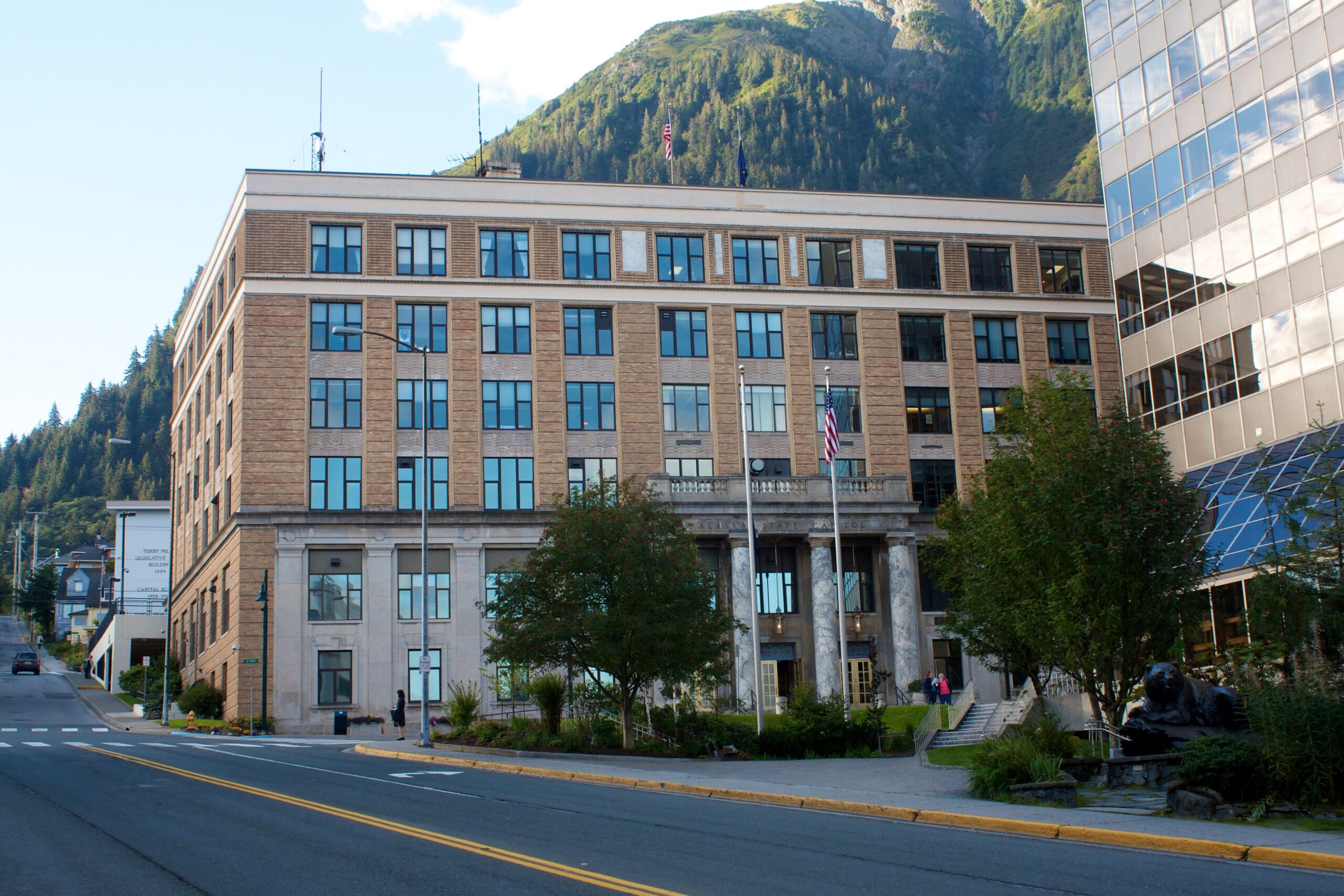
Image: Jay Galvin from Pleasanton, CA, USA – CC BY 2.0/Wikimedia Commons