Iowa Opens LIHEAP Heating Aid to All Eligible Households on Nov. 1, the Same Day Its Winter Utility Shutoff Moratorium Begins
An Iowa renter or homeowner under 60, with no one in the home who has a disability, has had to wait through October to ask for help with this winter’s heating bill. That wait ends Nov. 1, when the state’s Low Income Home Energy Assistance Program opens to every eligible household.
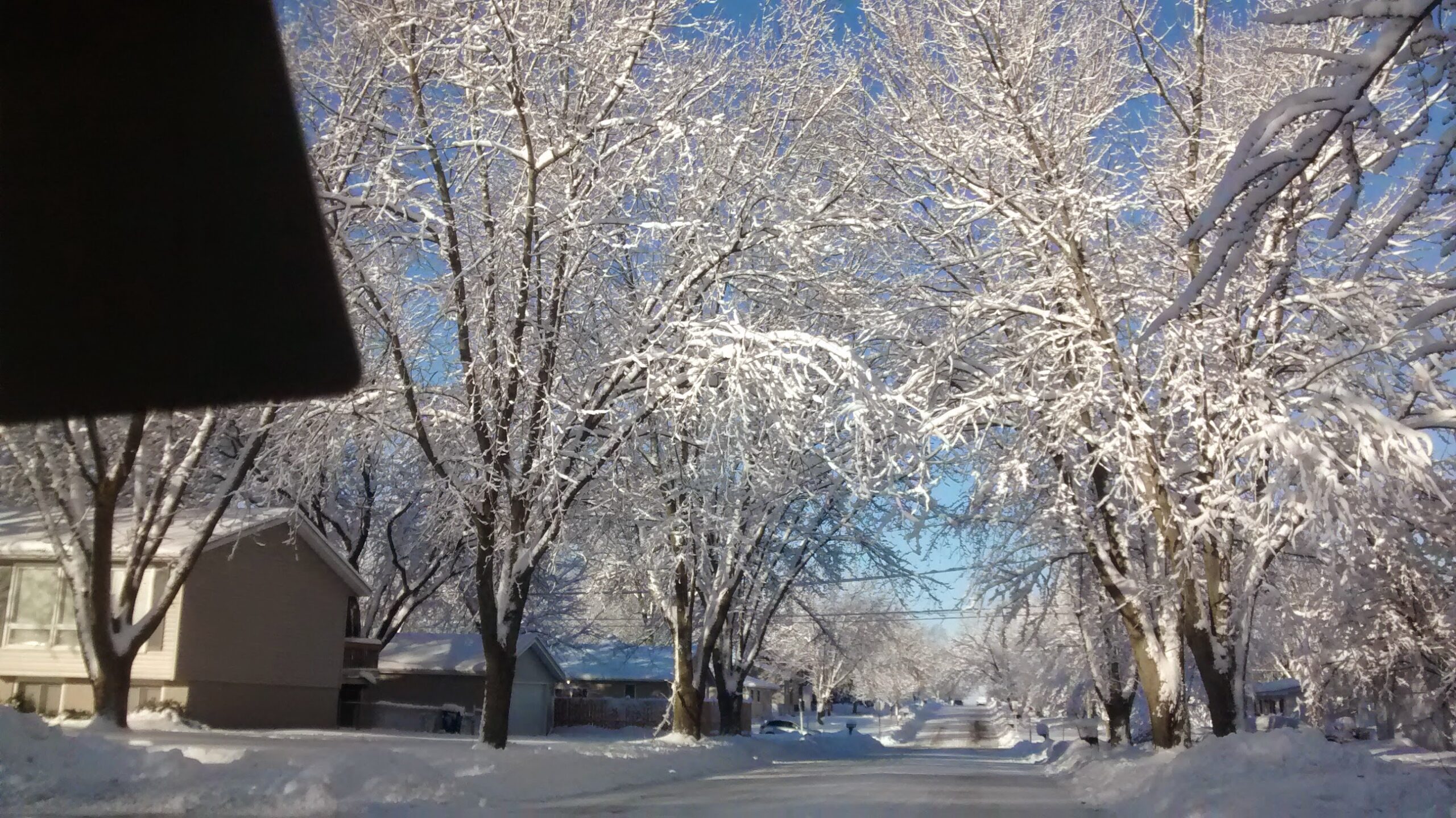
The same date starts Iowa’s winter shutoff moratorium. From Nov. 1 through April 1, gas and electric utilities cannot disconnect a home whose resident has been certified as eligible for LIHEAP or the state’s weatherization program, under Iowa Code section 476.20.
Two start dates, one deadline
Iowa staggers LIHEAP sign-ups. According to the Iowa Department of Health and Human Services, households with a member who is 60 or older or who has a disability could start applying Oct. 1. All other households can apply starting Nov. 1. An IUC newsletter on the program also lists households facing a housing crisis among those allowed to apply in October. Applications are accepted through April 30 and processed first come, first served.
The Iowa Utilities Commission describes the same window, Nov. 1 through April 30, with the early October start for older and disabled residents. The commission notes that the program is open to both renters and homeowners within federal poverty guidelines and that funding depends on the budget Congress passes.
The income limits at 200% of poverty
To qualify, a household’s gross annual income must be at or below 200% of the federal poverty guidelines. HHS lists these limits for the program year running Oct. 1, 2026, through Sept. 30, 2027:
- 1 person: $31,920
- 2 people: $43,280
- 3 people: $54,640
- 4 people: $66,000
- 5 people: $77,360
- 6 people: $88,720
- 7 people: $100,080
- 8 people: $111,440
Larger households add $11,360 per extra person. HHS says income is generally counted over the 30 days before the application, the most recent calendar year or the most recent 12 months, then converted to an annual figure.
The benefit is a one-time payment that goes directly to the utility or heating fuel vendor, with limited exceptions when heat is included in rent, according to the IUC. HHS is clear about its limits: “This program is not designed to pay a household’s total energy costs.” The amount depends on income, household size, the type of home and the heating fuel. HHS describes the program’s wider aim as encouraging regular utility payments, energy awareness and lower energy use through efficiency, education and weatherization.
What the shutoff moratorium covers
The moratorium protects only households that have been certified. Under the state code, a utility “shall not disconnect service from November 1 through April 1” at a residence with a resident certified by the local agency that runs LIHEAP or weatherization. The statute requires the certified resident to be the head of household as defined in Iowa’s tax code.
Customers who tell their utility they are applying for LIHEAP get a 30-day stay of disconnection so their community action agency can process the application, according to an IUC newsletter explaining the rules. The commission says that stay also applies to people who applied in October.
The protection is not forgiveness. The IUC encourages certified customers to keep paying what they can toward their bills during the winter, since balances still come due and disconnection becomes possible again after April 1.
Iowa law also requires utilities to run funds where customers can donate toward low-income heating help, such as Project Share, according to the same newsletter.
How to apply in each county
Applications go through local community action agencies, and every Iowa county has one. HHS keeps an intake list by county, and households that cannot find their agency can call the Community Action Agencies Unit at 515-776-8871. The IUC says applications can also be started through the state’s online portal or eligibility tool.
Weatherization is a separate, more limited program paid for by the U.S. Department of Energy. It uses a home visit and an energy audit to decide on upgrades such as insulation or heating system service. Filing a weatherization application automatically creates a LIHEAP application, according to the IUC.
Demand was already climbing last winter. The Iowa Capital Dispatch reported in December 2025 that 49,299 accounts were eligible for energy assistance that November, up nearly 21% from a year earlier, and that 912 eligible accounts received disconnection notices that month. Iowa was awarded $52.9 million in federal LIHEAP money for fiscal 2026 after a shutdown delay.
Local agencies felt it. Christopher Ackman of the Hawkeye Area Community Action Program told the Capital Dispatch last December that HACAP had already received more than 5,700 applications, compared with about 11,000 in a typical full year. He said the agency was well past the halfway mark for a normal year with months still left before the April deadline.
For this winter, the practical steps are the same for every Iowa household under the income line: contact the county’s community action agency on or after Nov. 1, gather proof of income for the counting period HHS uses, and tell the utility once an application is filed. That notice starts the 30-day stay while the agency works through the paperwork, and certification brings the moratorium’s protection through April 1.
Get stories like this by email. Sign up for The Parent Diaries Letter.
This article was produced with AI assistance and edited for accuracy against the sources linked above.
Image: Crcjfly – CC BY-SA 3.0/Wikimedia Commons