A Federal Judge Gave Final Approval to Google’s $68 Million Assistant Privacy Settlement on Oct. 13, Though No Payment Date Has Been Set
More than 1.49 million people who bought a Pixel phone or a Google Home speaker, or who used Google Assistant, filed claims in a privacy settlement over the voice assistant, and the case cleared its biggest hurdle this month. On Oct. 13, U.S. District Judge Beth Labson Freeman granted final approval to Google’s $68 million settlement in San Jose federal court.
Final approval does not mean money is on the way yet. No payment date has been announced, and the settlement’s own terms tie payments to a date that comes only after any appeals are resolved.
What Judge Freeman approved
The case, In re Google Assistant Privacy Litigation, No. 5:19-cv-04286, began in July 2019. Plaintiffs alleged that Google Assistant recorded private conversations without permission, including after “false accepts,” when a device wakes up without hearing its trigger phrase, and that some recordings were sent to outside reviewers.
The lawsuit combined earlier suits including Kumandan v. Google and Galvan v. Google. In a May 2020 ruling on Google’s motion to dismiss, Freeman allowed a federal Stored Communications Act claim over the disclosure of audio and transcripts to subcontractors to go forward, according to an analysis by the law firm Farella Braun + Martel. The case then ran for more than seven years before the settlement.
Her 31-page final approval order, docketed as ECF No. 584, overruled all seven objections, according to a detailed account by PPC Land. The court approved class counsel’s request for $22,666,666.70 in fees, one-third of the fund, plus $1,021,738.40 in expenses, and cut each of the four named plaintiffs’ service awards from $10,000 to $5,000. Freeman also trimmed the hourly rates claimed for four partners, including one billed at $3,000 an hour, though that did not change the total fee.
The order counted more than 1.49 million timely claims, over 40,000 late claims that the administrator may still accept, and 217 valid requests to opt out. Bloomberg Law reported on Oct. 21 that Google had ended the suit with the court’s final approval.
Who filed, and how the points work
The settlement covers two groups for the period from May 18, 2016, through March 19, 2026, according to the official settlement website.
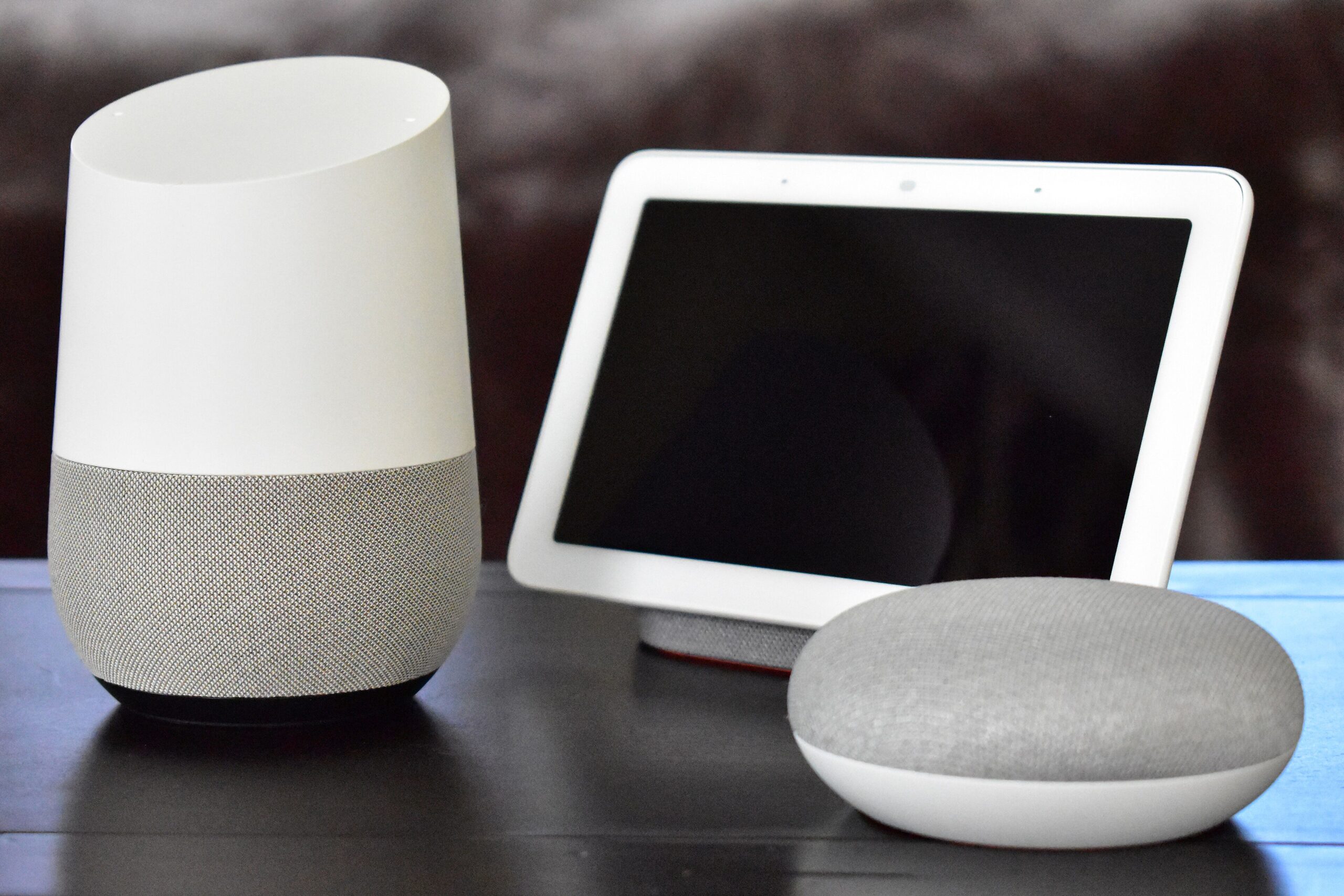
The purchaser class covers people in the U.S. who bought Google-made devices with the Assistant, such as Pixel phones, Google Home, Home Mini and Home Max speakers, and Nest Hub displays. The privacy class covers Assistant users, and members of their households, whose recordings were captured by a false accept or shared with a third-party review vendor. That group can include people using Google Assistant on Samsung and other non-Google Android phones, third-party smart speakers and displays, smart TVs and streaming devices.
Some Google products do not qualify on their own, according to Open Class Actions’ summary of the class definition: Nest thermostats, Nest doorbells without microphones and Chromecast models without microphones.
Payments are split by points. According to Open Class Actions, which tracks the case filings, purchasers earn 4 points per device for up to three devices, a privacy-only claim earns 1 point, and people in both groups can combine them.
In a Sept. 17 filing, claims administrator A.B. Data estimated each point would be worth about $8 to $20. That works out to roughly $32 to $80 per eligible device and $8 to $20 for a privacy-only claim, but it is only an estimate and can change once claims are validated.
The claim deadline was Aug. 27, 2026, so the window for new claims has closed. Late claims are accepted only at the administrator’s discretion.
Why no payment date has been set
The settlement agreement calls for payments within 60 days after its “Effective Date,” or as soon as practicable after that. That date arrives only once the judgment is final, meaning the time to appeal has run out or any appeal has been decided.
A notice of appeal is generally due within 30 days after judgment is entered, and any of the objectors could file one. An appeal of the approval itself could hold up payments for a year or more, while an appeal limited to attorney fees would not, according to Open Class Actions’ review of the order. Its own estimate is that, without an appeal, payments would come in late January to February 2027 at the earliest.
As of Oct. 24, no payment date had been announced, the site reported in its October roundup of Google cases.
Spotting the real payment notice
When payments do go out, claimants who chose an electronic option can be paid by ACH, Zelle, Venmo or PayPal, with checks for others, under the final approval order. Notices are expected by email or text.
Open Class Actions also warns claimants to watch for scams tied to the payout. The administrator does not charge fees and does not ask for Social Security numbers, bank logins or payments to release money. Claimants who get a message about the settlement can check it by typing the official settlement website address into a browser instead of clicking a link.
The same pattern, final approval first and money only after the appeal window closes, is playing out in other large cases this fall, including AT&T’s $177 million data breach settlement. Some settlements are still taking claims, such as Amazon’s $309.5 million returns settlement with its Dec. 1 deadline.
Get stories like this by email. Sign up for The Parent Diaries Letter.
This article was produced with AI assistance and edited for accuracy against the sources linked above.
Image: Y2kcrazyjoker4 – CC BY-SA 4.0/Wikimedia Commons