Minnesota’s Energy Assistance Pays Up to $1,400 Toward Heating Bills This Winter, With a Family of Four Eligible on Up to $73,969 a Year
Most Minnesota households approved for energy assistance this winter will see about $500 credited to their heating account, but the program’s top award reaches $1,400. The Minnesota Department of Commerce, which runs the Energy Assistance Program, says a family of four can earn up to $73,969 a year and still qualify. Applications for the 2026-2027 season are open now and close May 31, 2027.
The figures come from the Commerce Department’s Energy Assistance Program page, last updated Oct. 26, which says benefits run up to $1,400, with additional support for emergencies, and that initial benefits average $500 per household.
How Is the $1,400 Benefit Decided?
The award is not a flat check. Minnesota’s federal fiscal year 2027 LIHEAP plan, dated Oct. 1, 2026, sets the regular heating benefit at a minimum of $200 and a maximum of $1,400 per household.
Where a household lands in that range depends on its income and its fuel costs, according to Commerce’s program questions page. The state does not publish a simple chart that turns a given income into a given dollar amount, so the $500 average is the best guide to what a typical household will see.
The money never passes through the household’s hands. Commerce sends payments directly to the utility company or to the fuel provider, including propane, fuel oil and wood dealers. Both renters and homeowners can qualify.
Who Fits Under the $73,969 Limit?
Minnesota sets its income line at 50% of state median income, according to the FFY2027 plan, rather than at a multiple of the federal poverty level. For a family of four, that works out to $73,969 a year.
Eligibility is based on household size and recent household income. The plan uses the same 50% limit for crisis help, so a household that qualifies for the regular benefit also qualifies to ask for emergency money later in the season.
Households heating with delivered fuels are covered too. The Minnesota Public Utilities Commission noted on Sept. 30 that the program serves homeowners and renters, pays benefits of up to $1,400 and helps people who use propane, fuel oil or wood, not just utility customers.
What Happens If the Furnace Quits or the Tank Runs Low?
The regular benefit is only part of the program. The state plan sets a separate winter crisis benefit of up to $600, available from Oct. 1, 2026, through July 1, 2027.
Commerce’s emergency assistance page says those extra grants can be used to prevent a disconnection, to get heat and power reconnected after a shutoff, or to pay for an emergency delivery of propane, heating oil or biofuel. Homeowners whose furnace or heating system has broken down may qualify for help repairing or replacing it through the program’s energy-related repair component.
Emergency requests go through the local Energy Assistance service provider, not the state office. Minnesota uses 28 local agencies to deliver the program, according to the plan.
The same application can open one more door. Commerce says eligibility for the Weatherization Assistance Program, which provides no-cost home energy upgrades to income-eligible homes, is determined from the Energy Assistance application, so households do not need to file a second form to be considered.
Other cold-weather states are handling the same pressures in different ways. Wisconsin expects heating benefits to average $441 this winter, while Iowa opens LIHEAP to all eligible households on Nov. 1.
Does the Cold Weather Rule Stop Shutoffs on Its Own?
Not automatically. Minnesota’s Cold Weather Rule bars disconnection of residential natural gas and electric service from Oct. 1 through April 30, but the PUC’s Sept. 30 announcement says protection is not automatic. Customers must contact their utility, set up a payment plan and keep making the payments.
For lower-income households, the rule caps what a utility can demand. Customers at or below 50% of state median income, the same line Energy Assistance uses, cannot be required to pay more than 10% of their monthly household income toward current and past-due heating bills, according to the commission.
“Winter energy costs can put real pressure on household budgets,” PUC Commissioner John Tuma said in the announcement, urging residents worried about their bills to contact their utility now.
The rule does not cover delivered fuels. The PUC’s shutoff protection page says oil, propane and wood are excluded, though households whose oil, propane or wood furnace runs on electricity can seek protection through their electric company. Customers who miss a payment under a Cold Weather Rule plan can be disconnected, and the utility does not have to offer another plan until the next season.
When Should Minnesotans Apply?
Early is better. Commerce says applications are reviewed in the order they are received, and it warns that delays are possible early in the program year because of high volume. The local provider notifies applicants by mail or email once they are approved, and households that face an emergency while waiting are told to contact that provider directly.
The application page lists three ways to apply: online, by requesting a paper application in the mail, or by printing a form and mailing it to the local service provider. Paper forms are available in English, Spanish, Hmong, Somali, Russian and Vietnamese.
Applicants should gather the names of everyone in the household along with their Social Security numbers or alternative ID numbers, income documents, housing information, and the names and account numbers of their heat and electric companies. Any emergency heating need should be noted on the application.
The deadline for winter 2026-2027 is May 31, 2027, and applications must be received or postmarked by that date. Commerce’s Energy Information line is 800-657-3710, and the main office can be reached at 651-539-1500.
Get stories like this by email. Sign up for The Parent Diaries Letter.
This article was produced with AI assistance and edited for accuracy against the sources linked above.
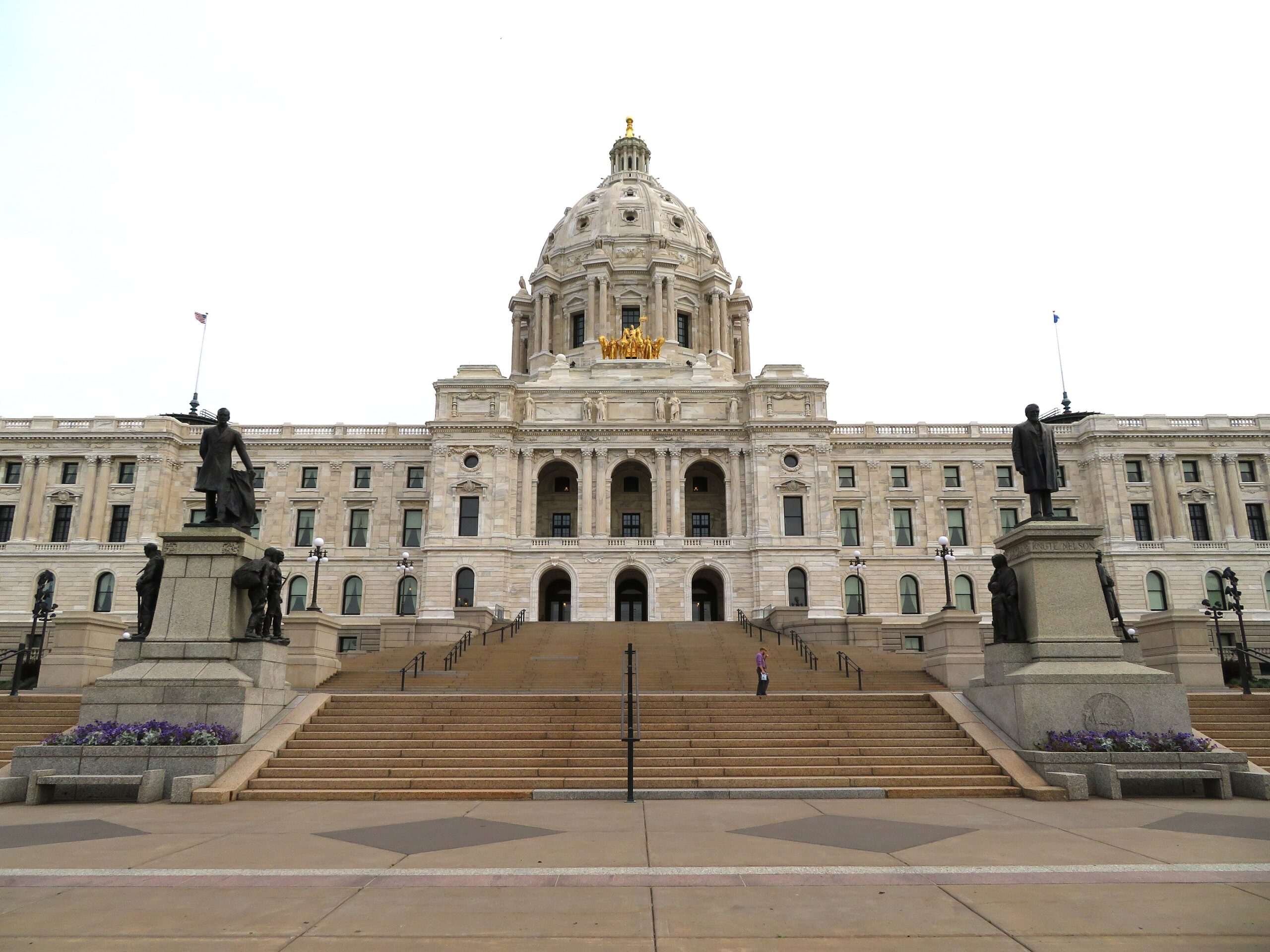
Image: Ken Lund – CC BY-SA 2.0/Wikimedia Commons