A Woman Stopped Using Her Credit Card for a Month and Says “I Finally Understood Where My Money Was Going”
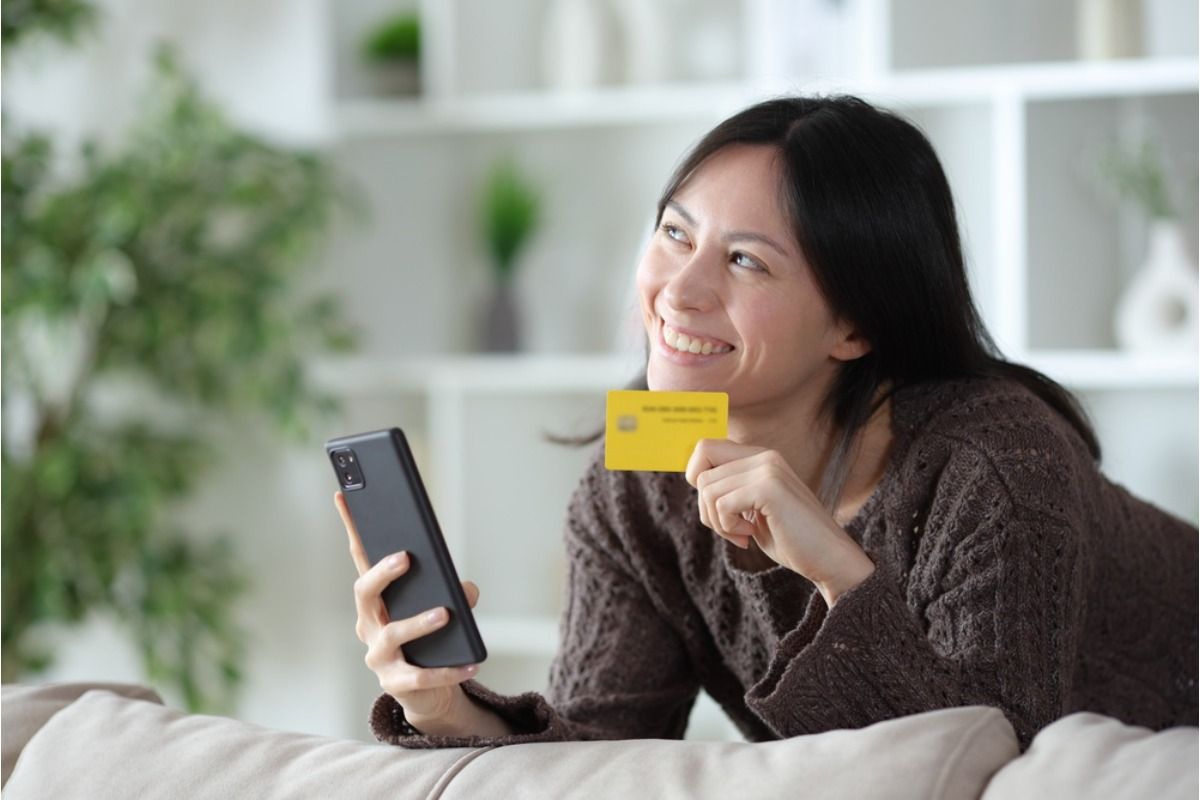
A woman decided to stop using her credit card for a month, and what began as a simple reset turned into a clearer understanding of how her spending actually worked.
A Decision Made After Confusing Statements
It started when she looked at her monthly statement and couldn’t fully remember many of the charges. Nothing seemed extreme, but the total felt higher than expected. The disconnect between spending and memory stood out. She realized swiping had become automatic. So she made a decision to pause credit card use completely. The goal was clarity, not restriction.
Switching to Cash and Debit Changed the Feeling
From day one, every payment felt more real. Handing over cash or seeing money leave her account instantly created awareness. There was no delay between spending and impact. This slowed down decisions naturally. Purchases were no longer effortless. That small friction made a difference.
The First Week Exposed Old Habits
She quickly noticed how often she reached for her card out of habit. Coffee, snacks, small online orders—things she barely thought about before. Without the card, each of these required a decision. Some she skipped entirely. Others felt less justified. The pattern became visible almost immediately.
Spending Became More Intentional
Instead of reacting to convenience, she started planning ahead. If she needed something, she thought about it longer. Impulse buying dropped without forcing it. The extra step of paying differently created a pause. That pause led to better decisions. Awareness replaced automation.
Small Purchases Stopped Feeling Invisible
One of the biggest changes was how she viewed small expenses. Previously, they blended into the total. Now, each one stood out. A quick purchase felt like a real choice. This made her question value more often. “Do I actually need this?” became a regular thought.
Online Spending Decreased Significantly
Without a credit card saved on platforms, online shopping became less frequent. Entering details manually or avoiding purchases altogether reduced impulse buys. The convenience barrier worked in her favor. Browsing didn’t always lead to buying anymore. That change alone made a noticeable difference.
Emotional Spending Became Easier to Spot
She realized certain purchases were tied to mood. Stress, boredom, or even reward led to spending before. Without instant access to a card, those moments became more visible. She started recognizing triggers instead of acting on them. That awareness changed behavior gradually.
Tracking Felt More Natural Without Effort
Because every transaction required attention, she didn’t need a separate tracking system. She simply remembered more. Spending felt connected to daily life instead of appearing later on a statement. This made budgeting easier. It wasn’t about numbers—it was about awareness.
The Month Ended With Clearer Insight
By the end of the month, she understood where her money was actually going. Not in broad categories, but in daily habits. The clarity was more valuable than the savings. It showed patterns she hadn’t noticed before. And those patterns explained the totals she used to question.
Returning to Credit Cards Felt Different
When she considered using her credit card again, it didn’t feel the same. The automatic behavior was gone. She now saw it as a tool, not a default. Each use required intention. The mindset had changed.
A Simple Pause That Changed Perspective
What started as a one-month experiment turned into a lasting shift in how she approached spending. It wasn’t about avoiding credit cards forever. It was about understanding them better. And that understanding stayed even after the month ended.