Michigan Has 208,492 Fewer People on Food Stamps Than a Year Ago, New USDA Figures Show
Michigan’s health department built its 2027 budget around an estimate that about 100,000 people would lose food assistance under the new federal rules. The newest federal count shows the state’s caseload has already shrunk by about twice that.
Michigan had 1,316,428 people on SNAP, the program still widely called food stamps, in July 2026, down from 1,524,920 in July 2025, according to the U.S. Department of Agriculture’s state-by-state participation table, with data current as of Oct. 9, 2026. That is 208,492 fewer people, a drop of about 13.7% in a year. USDA labels the July 2026 numbers as initial and subject to revision.
From 1.52 million to 1.32 million
Michigan’s drop is part of a national slide. USDA’s table puts nationwide participation at 36,087,667 people in July 2026, down from 41,603,048 a year earlier, a loss of more than 5.5 million. Alaska was the only state that grew. USDA publishes the monthly figures on its SNAP data tables page.
The state’s own numbers point the same way. Michigan Department of Health and Human Services data showed enrollment down nearly 12% as of August 2026, with more than 167,000 people, including more than 53,000 children, leaving the program since June 2025, Bridge Michigan reported Oct. 13. About 1.2 million Michiganders still get benefits under the state’s count. The state and federal tallies measure different months and are built differently, so they don’t match exactly, but both show a loss well into six figures.
The gap matters for the state budget. When MDHHS Chief Operating Officer David Knezek testified to a Senate appropriations subcommittee in March, the fiscal 2027 budget assumed about $418 million in savings based on roughly 200,000 people losing Medicaid and 100,000 losing SNAP, Michigan Advance reported. The federal July count is already about double that SNAP estimate.
Nearly 200,000 adults lost a waiver
Most of the change traces to the July 2025 federal budget law, H.R. 1, which widened SNAP’s work rules and shifted more of the program’s cost onto states.
Michigan’s Department of Labor and Economic Opportunity said in an April 21 announcement that the law eliminated the work-rule waiver that had covered nearly 200,000 able-bodied Michigan adults without dependents. The rules now also reach adults ages 60 to 64 and parents whose children are over 14, and veterans, homeless adults and former foster youth are no longer automatically excused. Michigan first put the changes in place in December 2025 and began ongoing enforcement March 1, 2026, after federal guidance was revised.
Under the rules, a covered adult can get benefits for only three months in three years unless they work, volunteer or train at least 80 hours a month, Bridge Michigan reported. Fifteen counties and six cities, Detroit among them, remain exempt because of high local unemployment.
MDHHS Director Elizabeth Hertel said in the April announcement that about 800,000 Michigan residents on SNAP and Medicaid would be subject to work requirements, calling the benefits “vital lifelines for many families.” The state’s job centers felt it right away: Michigan Works! saw a 16,783% increase in SNAP referrals for employment services when the first quarter of fiscal 2026 was compared with a year earlier, according to the state labor department.
Paperwork, not paychecks, says the state
State officials have not described the drop as people earning their way off the program. Erin Frisch, senior deputy director of MDHHS’s economic stability administration, told Bridge Michigan that many people are dropping out because they don’t fully understand their new responsibilities or miss notices about them, and she acknowledged that the state’s tighter accuracy checks also limit access.
Julie Cassidy of the Michigan League for Public Policy pointed out that the state’s unemployment rate has held near 5%. “Families are not dropping off of SNAP because they are better off financially,” she told the outlet.
The site has tracked the same pattern in other states, from North Carolina’s 109,384-person decline to Florida’s 629,600, as the national count hit a 17-year low.
A 9.89% error rate and a bill coming due
The state also faces a cost that depends on getting payments right. USDA’s fiscal 2025 payment error rate table puts Michigan at 9.89%, below the national rate of 10.62% but above the 6% line under which Washington keeps paying all benefit costs.
Under H.R. 1, states with error rates between 8% and 10% pay 10% of benefit costs starting in fiscal 2028. Bridge Michigan has reported that a 10% share would cost Michigan more than $320 million a year, with a worst case near $481 million. Separately, Michigan’s share of SNAP administrative costs rose from 50% to 75% on Oct. 1, about $95 million a year, according to Knezek’s testimony.
What Michigan households can do now
Anyone who lost benefits, or got a notice about work requirements, can check their case and reporting dates through MI Bridges or a local MDHHS office. Adults who need 80 hours a month of work activity can be referred to Michigan Works!, and people who believe they are exempt, for health reasons, caring for a child under 14 or living in an exempt county or city, can ask their caseworker to review the exemption.
Get stories like this by email. Sign up for The Parent Diaries Letter.
This article was produced with AI assistance and edited for accuracy against the sources linked above.
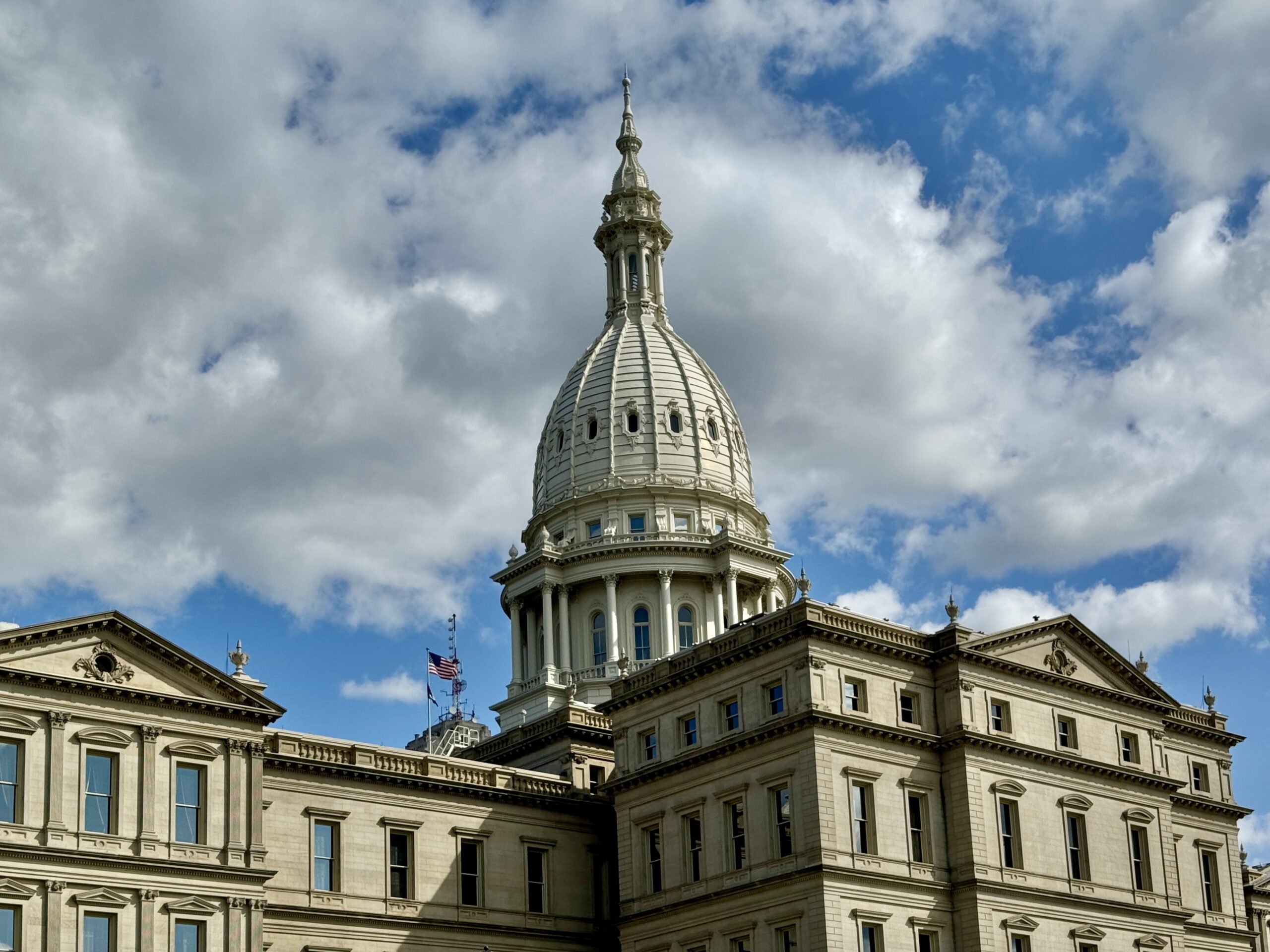
Image: w_lemay – CC BY-SA 2.0/Wikimedia Commons