North Carolina’s Food Stamp Rolls Dropped by 109,384 People Between July 2025 and July 2026
North Carolina’s counties are set to help cover the cost of food stamps in a new way, through money withheld from their sales tax revenue. The change arrives as the state’s SNAP rolls shrink: 1,243,706 people were enrolled in July 2026, down 109,384 from 1,353,090 a year earlier, according to the U.S. Department of Agriculture.
North Carolina’s decline of about 8.1% was milder than in most of the Southeast, but the state’s budget writers are already planning for a bill that starts in 2027.
From 1,353,090 to 1,243,706
The USDA’s persons-participating table, with data as of Oct. 9, 2026, compares each state’s July 2025 enrollment with July 2026. North Carolina’s July 2026 count is an initial figure and may be revised.
Neighboring states fell faster. Georgia dropped about 10.6%, Tennessee about 12.5% and South Carolina about 14.7%. Virginia’s enrollment slid from 816,587 to 741,868, about 9.1%. Nationally, the program lost more than 5.5 million participants, falling from 41,603,048 to 36,087,667.
Before the federal changes took hold, more than 1.4 million North Carolinians received SNAP, including 600,000 children and 46,000 veterans, Mike Leighs, a deputy secretary at the state Department of Health and Human Services, told lawmakers in January, North Carolina Health News reported.
107,000 newly subject to work rules
The federal budget law known as H.R. 1 widened the program’s work requirement. In North Carolina, Leighs estimated that about 107,000 people would be newly subject to it. He stressed that being subject to the rule does not make someone ineligible, though people who do not meet it can lose benefits.
The changes he described to legislators:
- The upper age limit for able-bodied adults without dependents rose from 54 to 64.
- The dependent exemption now covers only households with a child under 14, down from under 18.
- Exemptions ended for people experiencing homelessness, veterans and young adults who were in foster care at 18.
The state’s count fell by 109,384 people in the year through July, roughly matching Leighs’ estimate of how many people the work rule would newly reach. The USDA table does not break down why each person left the program.
A 7.36% error rate and a $150 million estimate
North Carolina has one advantage over many states: a lower payment error rate. Its rate for federal fiscal year 2025 was 7.36%, compared with a national average of 10.62%, according to an analysis by the UNC School of Government. USDA put the national improper payments total at $10.1 billion in its June 24 announcement.
That rate still costs money under H.R. 1. Starting Oct. 1, 2027, states with error rates above 6% must pay part of SNAP benefit costs: 5% for rates between 6% and 8%, 10% for 8% to 10%, and 15% above 10%. North Carolina expects to land in the 5% tier for federal fiscal 2028, an estimated $150 million.
Staying in that tier depends on keeping errors down. In January, Leighs told legislators the state’s error rate through August had been 7.05%, and he warned that error rates have historically risen after major policy changes, which could undo the state’s progress. Brunswick County’s rate has generally been under 6%, according to its social services director, showing how much the numbers can vary from county to county.
Administrative costs have already shifted. Since Oct. 1, 2026, the federal government covers 25% of SNAP administration instead of 50%. The School of Government put the added cost at about $12 million for the state and $52 million for counties in state fiscal 2027, rising to $16 million and $69 million in fiscal 2028. By county, the fiscal 2027 increase ranges from about $44,000 to more than $6 million.
How counties pay through sales tax
The 2026 Appropriations Act, Session Law 2026-41, decides who covers the coming benefit share. It creates a new statute, G.S. 108A-52.2, that funds any future state SNAP benefit cost by withholding money from counties’ sales tax distributions, effective Oct. 1, 2027, according to the School of Government.
Every county pays a flat assessment of 0.75% of its base-year sales tax allocation, whether or not its own caseworkers made errors. Counties whose cases produced error dollars pay an additional, proportional assessment. For federal fiscal 2025, the state’s error dollars came from 46 counties.
The same budget gave the state health department $2.58 million in recurring money and $2.5 million in one-time money for 2026-27 to improve SNAP administration. None of that goes directly to counties, the analysis noted.
County officials have warned about the strain. Robby Hall, director of the Brunswick County Department of Social Services, estimated in January that his county’s added administrative costs would be about $429,000 in the coming fiscal year and $629,000 the next. Other states face similar math, including New York counties, which face an estimated $170 million a year, and Pennsylvania, which could owe roughly 10% of benefit costs.
Get stories like this by email. Sign up for The Parent Diaries Letter.
This article was produced with AI assistance and edited for accuracy against the sources linked above.
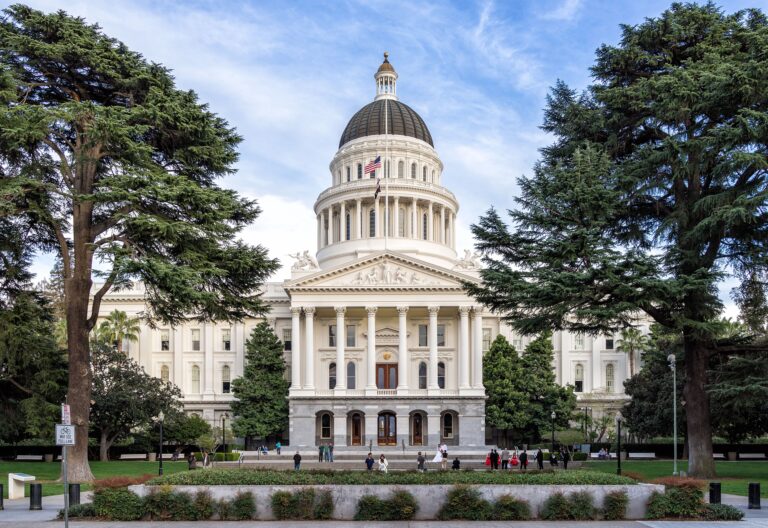
Image: Orchidus, CC BY-SA 4.0, via Wikimedia Commons