California’s CalFresh Rolls Shrank by 356,057 People in a Year, Even as the State Still Has More Than 5 Million on Food Aid
No state feeds more people through SNAP than California, and the program there is shrinking. CalFresh, as California calls it, served 5,093,375 people in July 2026, down 356,057 from 5,449,432 a year earlier, according to the U.S. Department of Agriculture.
The state’s own budget analysts expect the losses to keep growing as new federal work rules, which took effect in June, work their way through county caseloads.
Inside the 356,057
The figures come from the USDA’s persons-participating table, with data as of Oct. 9, 2026. California’s drop works out to about 6.5% in a year, a smaller share than in many states. Texas lost 683,838 people, Florida 629,600 and Arizona 448,578 over the same 12 months, while Illinois, at 407,079, was the only other state to lose more people than California.
Even after the decline, California still has nearly twice as many SNAP participants as Texas, the next-largest state, which had 2,762,213 in July 2026. The July figures are initial counts and can be revised.
The money involved is large. CalFresh provides about $1 billion a month to more than 5 million Californians, according to an August report from the Public Policy Institute of California, which estimated the program kept about 850,000 people out of poverty in 2024.
845,000 adults under the new time limit
The biggest change came in June, when CalFresh began applying the expanded work requirement in the federal budget law known as H.R. 1. The law raised the upper age for the rule from 54 to 64 and ended the exemption for caregivers of children ages 14 to 17, PPIC noted.
The Legislative Analyst’s Office estimated in an April presentation that about 845,000 adults are subject to the requirement after exemptions, and that about 665,500 of them are likely to be disenrolled. That would be nearly twice the 356,057 drop recorded so far.
Relief from the rule is narrow. Waivers are now limited to areas with unemployment above 10%, and as of April 2026 seven California counties had them, covering about 6% of the CalFresh population, according to PPIC.
PPIC’s research also shows why many adults may struggle to keep up. About 64% of potentially affected adults had earnings around the time they enrolled, but more than half cycle between work and unemployment while on CalFresh, which means they may meet the hours requirement only some months. Their median annual earnings were about $12,600.
Job training is one way to meet the rule, but it is spread thin. PPIC found that 35 counties offer CalFresh Employment and Training, which served about 110,000 people in 2022-23 with about $141 million in statewide funding.
The $480 million and $2 billion questions
H.R. 1 also shifts costs to the state. Starting in October 2026, the federal share of CalFresh administration fell from 50% to 25%. The LAO’s March analysis put the added cost at about $480 million a year for the state and about $190 million a year for counties, with the state’s share rising from 35% to 52.5% and the counties’ from 15% to 22.5%.
The governor’s budget proposed $2.7 billion, including $1.3 billion from the General Fund, for CalFresh administration in 2026-27, plus $78.4 million to carry out the work requirement, mostly for automation, training and outreach to workers. Because shrinking caseloads also cut workload, the LAO calculated that the administrative changes add up to a net reduction of about $28 million for the year.
A bigger bill could arrive in October 2027, when states with high payment error rates must start paying part of the benefits themselves. California’s error rate for federal fiscal 2024 was nearly 11%, according to the LAO’s April handout. At that level, the state would owe the maximum 15% share, about $2 billion a year in new General Fund costs.
Lower error rates would shrink that bill. The LAO estimated a 5% share at about $650 million a year and a 10% share at about $1.3 billion. States with error rates above 13.3% can have the requirement delayed as late as October 2029.
The LAO recommended that lawmakers have the administration and counties report on the main causes of payment errors and their plans to reduce them, and consider temporary money to help eligible people avoid being cut off.
Where the next drop could come from
The work rule is not the only change. The LAO estimated that about 72,000 enrolled people would lose CalFresh under narrower eligibility rules for noncitizens, which began in April 2026.
Another 525,000 people are expected to keep their benefits but see them cut by an average of $39 a month, because of new limits on the Standard Utility Allowance used to calculate benefits, according to the LAO’s March analysis.
Taken together, the LAO’s estimates point to further declines beyond the July count. California’s losses so far track a national trend, with the SNAP count recently reaching its lowest level in 17 years, and other big states facing their own cost questions, including New York counties, which face an estimated $170 million a year in new costs.
Get stories like this by email. Sign up for The Parent Diaries Letter.
This article was produced with AI assistance and edited for accuracy against the sources linked above.
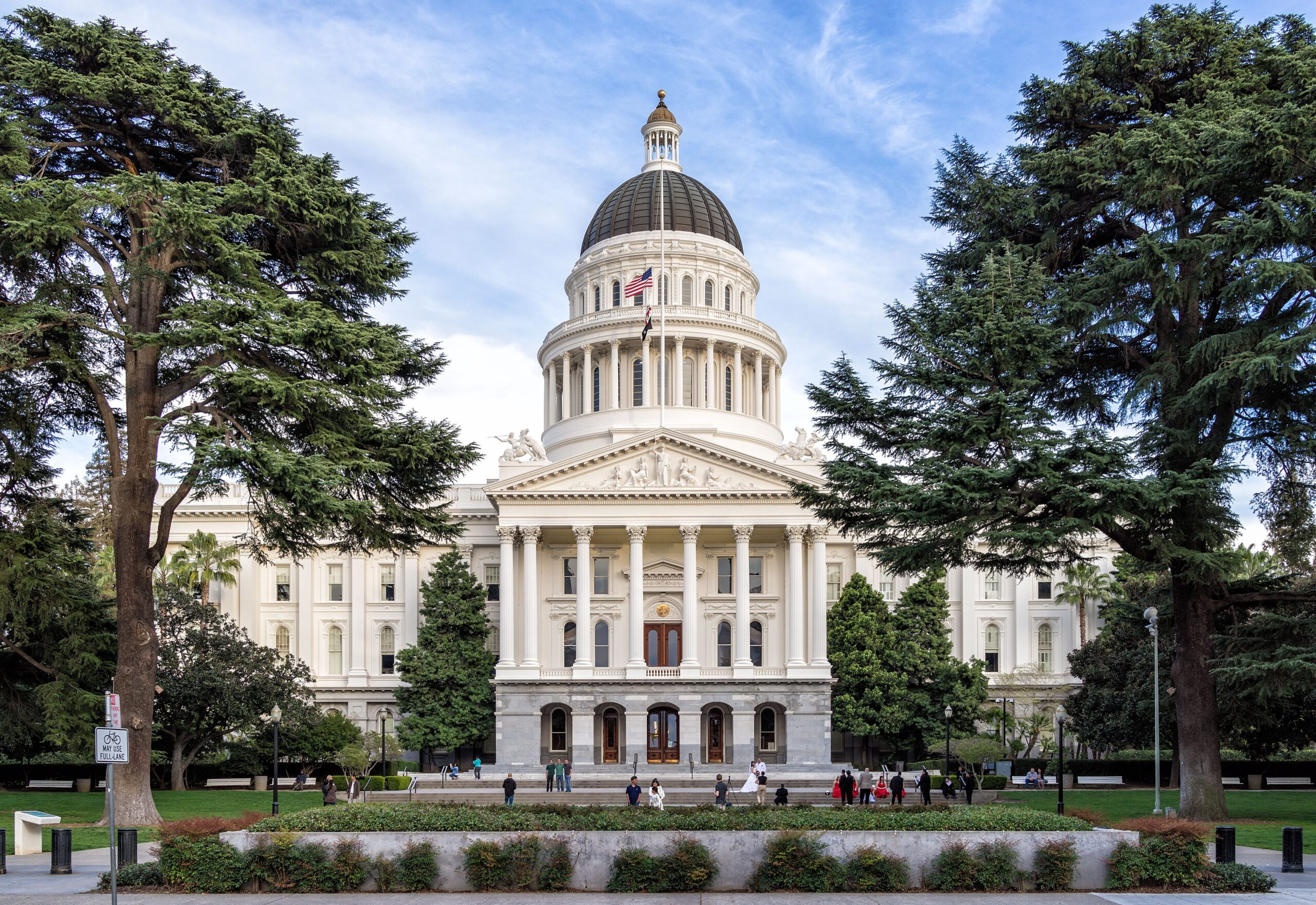
Image: Andre m, CC BY-SA 3.0, via Wikimedia Commons