Illinois Lost 407,079 SNAP Recipients in a Year as the State Pays One-Time $400 FRESH Benefits to People Who Were Cut Off
In July 2025, 1,887,917 people in Illinois were buying groceries with SNAP. By July 2026, that count had dropped to 1,480,838, a loss of 407,079 people in a single year, according to the latest participation figures from the U.S. Department of Agriculture. For some of the households cut off, the state is now putting a one-time $400 deposit on their Link cards.
The payment comes from a new state program called FRESH, short for Families Receiving Emergency Support for Hunger. It does not replace monthly SNAP, and it does not require an application.
Where the 407,079 figure comes from
The numbers come from the USDA’s Food and Nutrition Service table of persons participating in SNAP, with data as of Oct. 9, 2026. The table compares each state’s July 2025 count with its July 2026 count. The July 2026 figures are labeled initial and subject to revision.
Illinois’ drop of about 21.6% placed it fourth in the country by raw numbers, behind Texas, Florida and Arizona. Nationally, participation fell from 41,603,048 people to 36,087,667 over the same 12 months.
Much of the change traces to the federal budget law known as H.R. 1, which widened SNAP work requirements and narrowed eligibility for many noncitizens. Under the expanded rules, adults ages 55 to 64, veterans and parents whose youngest child is 14 or older can now lose benefits if they do not log enough work hours or qualify for an exemption.
About 150,000 Illinois residents were expected to lose benefits starting May 1 under the new work rules, Capitol News Illinois reported.
Who gets the $400 FRESH deposit
Gov. JB Pritzker and IDHS launched FRESH on July 30. The release describes a one-time payment of $400 per eligible household member, with each person able to receive it only once. About 100,000 people were set to receive the first round, and the state said it would keep paying newly affected people until the money runs out. The governor’s office has said the program could ultimately reach up to 175,000 Illinoisans.
Eligibility is narrow. According to an IDHS information sheet shared by the Northern Illinois Food Bank, FRESH is for people who lost SNAP, or had it reduced, on or after May 1, 2026, specifically because they did not meet the new work requirements. People whose benefits ended for any other reason do not qualify.
A person can receive FRESH even if other members of the same household still get SNAP. Someone who quickly gets a case reinstated does not receive the payment at that time but can qualify later if benefits are lost again.
Pritzker framed the program as a stopgap. “No state can backfill the cruel and imminent cuts set in motion by Trump’s budget bill,” he said in the July announcement. IDHS Secretary Dulce M. Quintero said, “Every family deserves reliable access to food.”
When the money lands on Link cards
No paperwork is involved. IDHS identifies eligible people from its own records and mails a notice. The cash then goes onto the household’s existing Illinois Link card, or a replacement card if the old one was lost. Replacement Link cards can be requested at EBTedge.com or by calling 1-800-678-LINK (5465), according to the governor’s office.
The timing depends on when SNAP stopped:
- Benefits lost between May 1 and July 31, 2026: deposits were made by Aug. 1, 2026.
- Benefits lost from August 2026 through June 2027: payment comes after the 16th of the month the SNAP loss occurred.
The program ends in July 2027 or when its $70 million budget is used up, whichever comes first. The Greater Chicago Food Depository tells former SNAP recipients to watch the mail, since IDHS reaches out at the most current contact information it has. The IDHS sheet also advises keeping the most recent EBT card.
Because the $400 is paid as cash on the card, it can be spent on more than groceries. The state said receiving it does not affect eligibility for TANF, AABD cash assistance or Medicaid.
The bill Illinois faces next
The enrollment drop is only one part of the pressure on the state. Starting in October 2026, states pay 75% of SNAP’s administrative costs, up from 50%. Illinois’ FY27 budget raised its administrative spending to $100 million from $60 million, according to Capitol News Illinois.
A larger cost looms over benefit errors. Illinois’ SNAP payment error rate reached 14.7% in federal fiscal year 2025, up from 11.6% a year earlier and fifth-highest in the nation. Under H.R. 1, states with error rates of 10% or more will have to cover 15% of benefit costs starting in fiscal 2029, and federal penalties begin in October 2027. Capitol News Illinois reported the state could end up paying about $700 million.
Illinois is not alone in watching its rolls shrink. Earlier figures showed Arizona’s food stamp rolls falling 45% and Texas losing more than 700,000 participants, and the national count recently hit its lowest level in 17 years.
For Illinois residents who believe they were wrongly cut off, the IDHS sheet points to the state’s ABE portal at abe.illinois.gov or the help line at 844-600-7627 to check exemption status. Anyone who should have been exempt from the work rules can ask to have monthly benefits restored.
Get stories like this by email. Sign up for The Parent Diaries Letter.
This article was produced with AI assistance and edited for accuracy against the sources linked above.
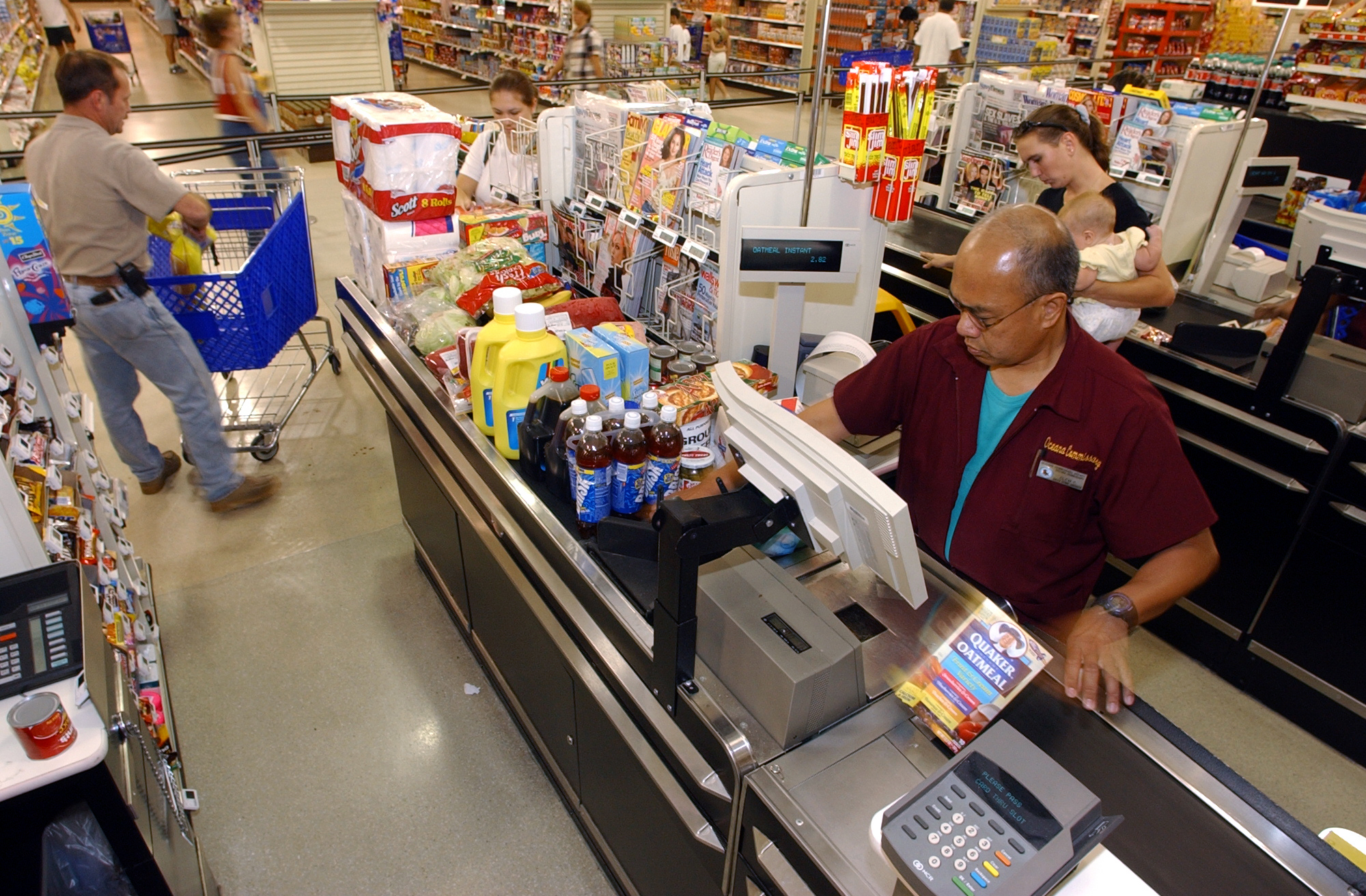
Image: U.S. Navy photo by Photographer’s Mate 1st Class Michael W. Pendergrass. Public domain, via Wikimedia Commons