One State Added Food Stamp Recipients Over the Past Year While Every Other State Lost Them
Alaska is the only state in the country with more people on food stamps than it had a year ago. Every other state, along with Washington, D.C., Guam and the U.S. Virgin Islands, lost SNAP participants between July 2025 and July 2026, according to the U.S. Department of Agriculture.
Alaska had 69,522 people on SNAP in July 2026, up from 67,168 in July 2025, USDA’s state participation table shows, with data as of Oct. 9, 2026. That is 2,354 more people, an increase of about 3.5%, in a year when national enrollment fell by more than 5.5 million.
2,354 more Alaskans, 5.5 million fewer Americans
The contrast is sharp. Nationwide participation dropped from 41,603,048 to 36,087,667 over the same 12 months, according to the table, which USDA posts with its monthly SNAP data. Some states lost close to a quarter of their caseload or more. Arizona fell by about half, and Louisiana, Nevada, Oklahoma and Florida each dropped by roughly 22% to 23%.
Hawaii, the other state with special treatment under the new federal rules, had also grown earlier in the year, Alaska Public Media reported in June, citing a Center on Budget and Policy Priorities analysis of July 2025 to February 2026. By July 2026, though, Hawaii was down about 4.5% from a year earlier in USDA’s table, leaving Alaska alone.
The July 2026 numbers are initial, and USDA says June and July data are preliminary and subject to significant revision.
The state credits a rebuilt application system
Alaska’s growth comes after years in which the Division of Public Assistance was known for something else: application backlogs that left thousands of residents waiting months for help. Alaska Public Media reported that the division’s backlogs followed funding and staff cuts, and that Gov. Mike Dunleavy has put tens of millions of dollars toward modernization since 2023.
The Alaska Department of Health credits the turnaround to modernization. “Changes in outreach, modernization, processing timeliness, and accessibility may all contribute,” department spokesperson Mirna Estrada wrote to Alaska Public Media. The department pointed to expanded online applications, smart forms that reduce incomplete submissions, added staff and contractors, better interview scheduling and document management, and a mobile feature on the Alaska Connect portal.
Not everyone sees the job as finished. Magen James, SNAP outreach manager at Food Bank of Alaska, told the outlet the new portal is not the system used to decide eligibility, which dates to 1976. “If they put as much progress on the backend as they did the frontend, they’d be in a lot better position,” she said.
Elsewhere, the story has run the other way. The site has followed big drops in Florida and North Carolina as national enrollment sank to a 17-year low.
Rural waivers and a special rule for Alaska and Hawaii
The July 2025 federal budget law, H.R. 1, widened SNAP’s work rules and made waivers much harder to get. A USDA implementation memo dated Oct. 3, 2025 says most areas now need unemployment above 10% to waive the three-month time limit for adults without dependents.
Alaska and Hawaii got different terms. Under the same memo, areas in those two states can qualify for a waiver if their unemployment rate is 150% of the national rate, and USDA can grant individual exemptions there through Dec. 31, 2028, if the state shows a good-faith effort to comply.
Using that standard, USDA approved Alaska’s request to waive the time limit in 20 boroughs and census areas, from Bethel and Nome to the Kenai Peninsula and Kodiak Island, for Nov. 1, 2025, through Oct. 31, 2026, according to the agency’s approval letter. The letter said those areas averaged unemployment of 6.3% or more, against a national average of 4.2%.
The nation’s highest error rate
Alaska’s growth comes with a weak spot. USDA’s fiscal 2025 payment error rate table puts Alaska at 23.15%, the highest in the country and more than double the national rate of 10.62%. Washington, D.C., was second at 18.66%. Most of Alaska’s errors were overpayments, 20.58 percentage points, with underpayments at 2.57 points, the Juneau Independent reported. Alaska has had the nation’s highest rate every year since 2022, Alaska Public Media reported.
Estrada said the rate reflects past operations rather than current performance, and that the state’s modernization work is scheduled to be finished in 2028, the Juneau Independent reported. The state’s rate was 60.37% in fiscal 2023 and 24.66% the year after, according to Estrada.
Under H.R. 1, states with error rates above 10% will eventually pay 15% of their benefit costs. But the law gives the states with the very highest rates, Alaska among them, extra time before that share applies, the Juneau Independent reported, so Alaska is not in the first group of states facing the bill starting Oct. 1, 2027.
For the roughly 69,500 Alaskans on SNAP, that leaves a program that grew while every other state’s shrank, a rural waiver whose approved term ran through Oct. 31, 2026, a good-faith exemption window that runs into 2028, and pressure to bring payment errors down before the cost share arrives.
Get stories like this by email. Sign up for The Parent Diaries Letter.
This article was produced with AI assistance and edited for accuracy against the sources linked above.
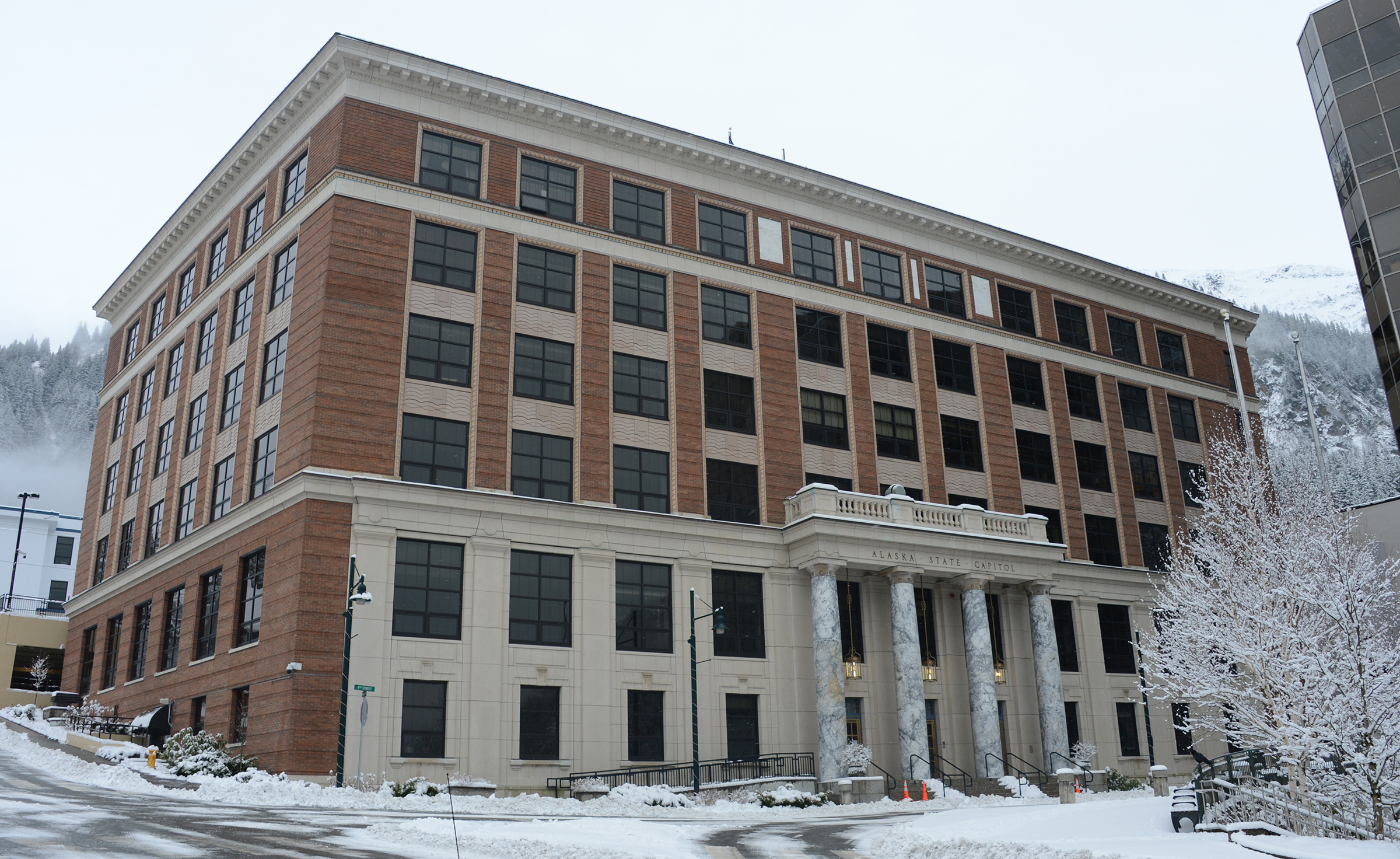
Image: James Brooks – CC BY 2.0/Wikimedia Commons