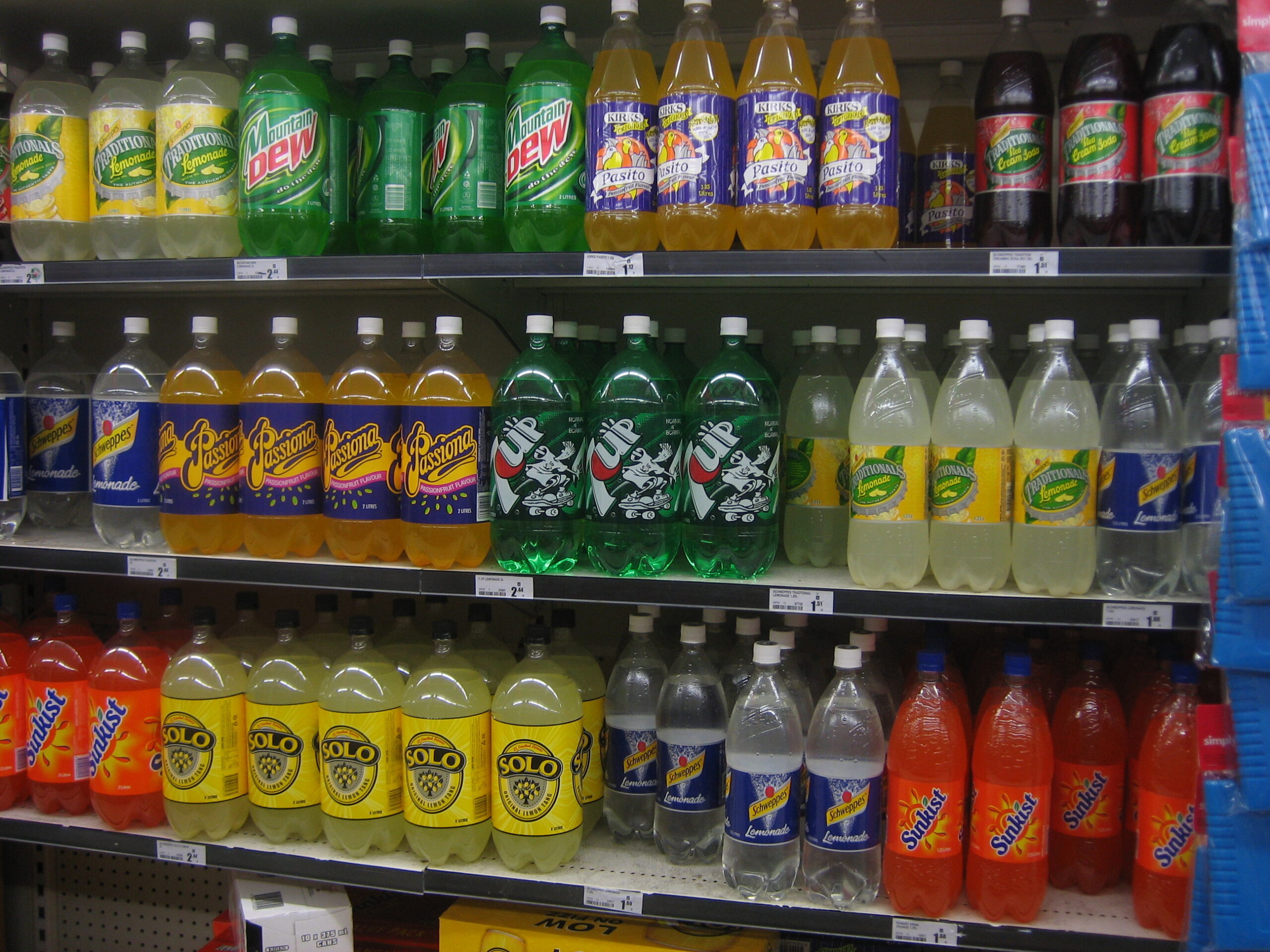
Virginia SNAP Shoppers Can No Longer Buy Soda, Diet Soda or Carbonated Energy Drinks Starting Nov. 1, as the State’s Rolls Fall by 74,719
A 12-ounce can of Coke and 12 ounces of lemonade carry nearly the same amount of sugar, a University of Virginia public health professor pointed out this week. Starting Sunday, Nov. 1, only the lemonade can still be paid for with SNAP in Virginia.
The state’s new limit takes regular soda, diet soda, zero-sugar soda and carbonated energy drinks off the list of items food stamps can buy, according to the Virginia Department of Social Services. It arrives as the program itself shrinks: Virginia had 741,868 people on SNAP in July 2026, down 74,719 from 816,587 a year earlier, in a U.S. Department of Agriculture table dated Oct. 9.
Soda, diet soda and fizzy energy drinks come off the SNAP list
The department’s SNAP Healthy page lists the restricted drinks as soda, diet soda, “zero” or zero-sugar soda, carbonated energy drinks, and other carbonated drinks with 5 grams or more of added sugar per serving. The rule applies at every authorized SNAP retailer in the state.
Diet and zero-sugar sodas are included even though they contain no sugar, because the state’s definition covers carbonated drinks sweetened with artificial sweeteners as well as sugar.
Shoppers can still buy any of those drinks. They just have to pay for them with cash, a debit card or another payment method, not the EBT card, Richmond TV station WWBT reported. Stores are responsible for updating their checkout systems, and recipients do not need new cards.
Dr. Jamie Zoellner, the UVA professor of public health sciences who studies sugary drink consumption, told the station the lines drawn by the rule “aren’t entirely clear from a nutritional standpoint,” since carbonation itself is not usually the source of the health risk.
What an EBT card still covers at the drink cooler
The state’s list of drinks that remain eligible is longer than the banned list. It includes non-carbonated energy drinks, unsweetened seltzer, lemonade, juice, iced tea, iced coffee, milk and milk alternatives, yogurt drinks, kombucha, infant formula and nutrition shakes such as meal replacements. Sports drinks also stay on the list.
Benefit amounts do not change. “Virginians’ eligibility to participate in SNAP and their benefit amount are not affected by this change,” the Department of Social Services says on its page.
The same page points shoppers to Virginia Fresh Match, which doubles SNAP dollars spent on fruits and vegetables at participating stores and markets. Questions about the drink rule go to [email protected].
A two-year federal waiver that started seven months late
Virginia did not need a new state law for the change. It got permission from Washington. The USDA’s Food and Nutrition Service approved Virginia’s request on Dec. 10, 2025, in a waiver letter addressed to then-Gov. Glenn Youngkin that changed the federal definition of SNAP-eligible food in the state to exclude “sweetened beverages.”
That letter set an April 1, 2026, start and a two-year term. It defined the restricted drinks as those made with carbonated water and flavored or sweetened with added sugar or artificial sweeteners, while carving out non-carbonated drinks, milk products, infant formula and hydration sports drinks. The federal agency lists a modification request from Virginia on Feb. 3, 2026, approved Feb. 25.
The April date came and went. The state’s SNAP Healthy page now gives Nov. 1, 2026, as the first day of the limits, with Gov. Abigail Spanberger now in office.
The waiver also requires Virginia to measure the results, including whether SNAP households buy more fresh fruits and vegetables and whether they simply spend more of their own money on soda. Quarterly reports are due through 2028.
74,719 fewer Virginians on food stamps than a year ago
The drink rule lands on a smaller group of shoppers than it would have a year ago. USDA’s state table shows Virginia at 816,587 SNAP participants in July 2025, 750,364 in June 2026 and 741,868 in July 2026. That is a 9.2% drop over the year and a 1.1% drop in the most recent month alone.
The state’s own count of the decline runs higher when measured from the passage of the 2025 federal law known as H.R. 1. The Virginia Secretary of Health and Human Resources dashboard puts the drop at about 130,000 participants since the law took effect, and links it to expanded work requirements that now reach adults up to age 64 and removed earlier exemptions for veterans, former foster youth and people experiencing homelessness.
Even after the losses, about 1 in 12 Virginians uses SNAP in a typical month, the dashboard says. Four in 10 participants are under 18, and 14% are 65 or older.
USDA warns that its June and July 2026 figures are preliminary and “subject to significant revision.”
Virginia’s 12.32% error rate and the bill coming in 2027
A second federal change matters more for the state budget. Under H.R. 1, states with high payment error rates will have to pay part of SNAP benefits themselves, starting as soon as Oct. 1, 2027, the USDA said in June when it released the first error rates that count toward that bill.
Virginia’s rate for fiscal 2025 was 12.32%, made up of 10.30% in overpayments and 2.02% in underpayments, according to USDA’s state-by-state error table. The national rate was 10.62%.
Any state above 10% falls into the top tier and would owe 15% of its benefit costs, Ballotpedia’s summary of the law notes. States may choose their fiscal 2025 or fiscal 2026 rate for that first year, which leaves Virginia one more year of results to bring the number down.
For the families still enrolled, the changes this weekend are smaller and more immediate: the same monthly benefit, and one fewer category of drinks it can buy, starting Sunday. Other states have seen deeper losses, including Louisiana’s 23% drop, while national participation has fallen to 36.1 million.
Get stories like this by email. Sign up for The Parent Diaries Letter.
This article was produced with AI assistance and edited for accuracy against the sources linked above.
Image: SMC at English Wikipedia – Public domain/Wikimedia Commons