Wisconsin Expects to Help About 170,000 Households With Energy Bills This Winter, With Heating Benefits Averaging $441
“Cold weather will be arriving soon in Wisconsin,” Department of Administration Secretary Kathy Blumenfeld said on Oct. 1, the day the state opened applications for its Home Energy Assistance Program. The state expects WHEAP to help about 170,000 households pay energy bills this winter, with heating benefits averaging $441.
Electric benefits are smaller, averaging $257. Both are one-time payments that go straight to utilities and fuel suppliers, and both cover only part of a winter’s costs.
What the average household gets
The Department of Administration’s Oct. 1 announcement lays out the season’s estimates: about 170,000 households served, an average heating benefit of $441 and an average electric benefit of $257. Eligibility and benefit size depend on household income, household size and home energy costs.
The two benefits work differently. According to Madison Gas and Electric’s WHEAP flyer for customers, the heating benefit is a one-time payment toward heating costs, while the electric benefit is a separate one-time payment toward non-heating electric costs.
Funding is limited. The MGE flyer warns that funds “are limited and may run out quickly,” and Blumenfeld urged residents who need help with energy bills to apply now.
By comparison, New Jersey’s LIHEAP grants this winter run as high as $1,278, and Illinois’ utility bill program, which opens to all income-eligible households on Nov. 1, averaged $676 per family last year. Wisconsin’s averages are lower, but its program pairs the heating payment with a separate electric payment, so a household that receives both gets help on two bills.
The 2026-27 income limits
To qualify, a household’s gross income must be at or below 60% of Wisconsin’s state median income. For the 2026-27 season, the state’s annual limits run from $39,864 for one person to $105,792 for a household of eight. A family of four can earn up to $6,388.42 a month, or $76,661 a year.
That is a raise from last season. The state’s 2025-26 income table capped a family of four at $73,888 a year, so the new limit is $2,773 higher. Other 2025-26 limits for comparison:
- 1 person: $38,421
- 2 people: $50,243
- 3 people: $62,065
- 4 people: $73,888
- 5 people: $85,710
- 8 people: $101,965
WHEAP looks at income from the previous three months and annualizes it, according to the City of Clintonville’s utility page. That means a household whose income dropped recently, from a job loss or reduced hours, may qualify even if its income for the full prior year was higher.
Crisis help and furnace repairs
WHEAP does more than offset bills. The Department of Administration says the program also offers crisis energy assistance year-round, along with emergency furnace and water heater repair or replacement and home weatherization for eligible homeowners.
Crisis assistance is for households with no heat, nearly out of fuel, or facing an electric shutoff, according to the Clintonville page. Non-emergency services include budgeting help and payment arrangements with fuel suppliers. The furnace program, called HE+HVAC, helps eligible homeowners whose primary heating system has stopped working or is unsafe, and in some cases pays for a replacement.
WHEAP sits inside a larger state effort called Home Energy Plus, which the PSC describes as covering emergency energy needs, emergency furnace repairs, conservation and weatherization. Eligible WHEAP applications are referred to a local weatherization agency, which may schedule an energy audit of the home, according to the Clintonville page. Applicants complete one Home Energy Plus application through their local WHEAP agency to be considered.
The WHEAP heating season runs from Oct. 1 to May 15, according to the Clintonville page. Applications can be filed online at energybenefit.wi.gov, or by phone or mail through a local energy assistance agency. The statewide line is 1-866-HEATWIS (432-8947), and county and tribal agencies are listed on the energyandhousing.wi.gov map.
The shutoff ban that starts Nov. 1
Wisconsin households also get a legal shield from disconnection this winter. The state’s winter moratorium runs from Nov. 1 through April 15, and during that period utilities cannot disconnect residential heating service for nonpayment, the Public Service Commission said in March.
The moratorium pauses shutoffs, not bills. The PSC warned last spring that customers who had not made payment arrangements by April 15 could face disconnection once it ended. It said utilities must offer deferred payment agreements to residential customers who cannot pay a bill in full, though municipal utilities are not required to offer them to tenants.
The PSC’s advice is to contact the utility first to set up a payment plan. It listed customer lines for several of the state’s major utilities, including:
- Alliant Energy: 1-800-255-4268
- Madison Gas and Electric: 1-800-245-1125
- Superior Water, Light and Power: 1-800-227-7957
- Wisconsin Public Service: 1-800-450-7260
- Xcel Energy: 1-800-895-4999
Customers who cannot reach an agreement with their utility can call the PSC at 1-800-225-7729 or file a complaint on its website. Wisconsin joins other states starting winter protections this week, including Iowa, which opens LIHEAP to all eligible households on Nov. 1, the same day its own moratorium begins.
Get stories like this by email. Sign up for The Parent Diaries Letter.
This article was produced with AI assistance and edited for accuracy against the sources linked above.
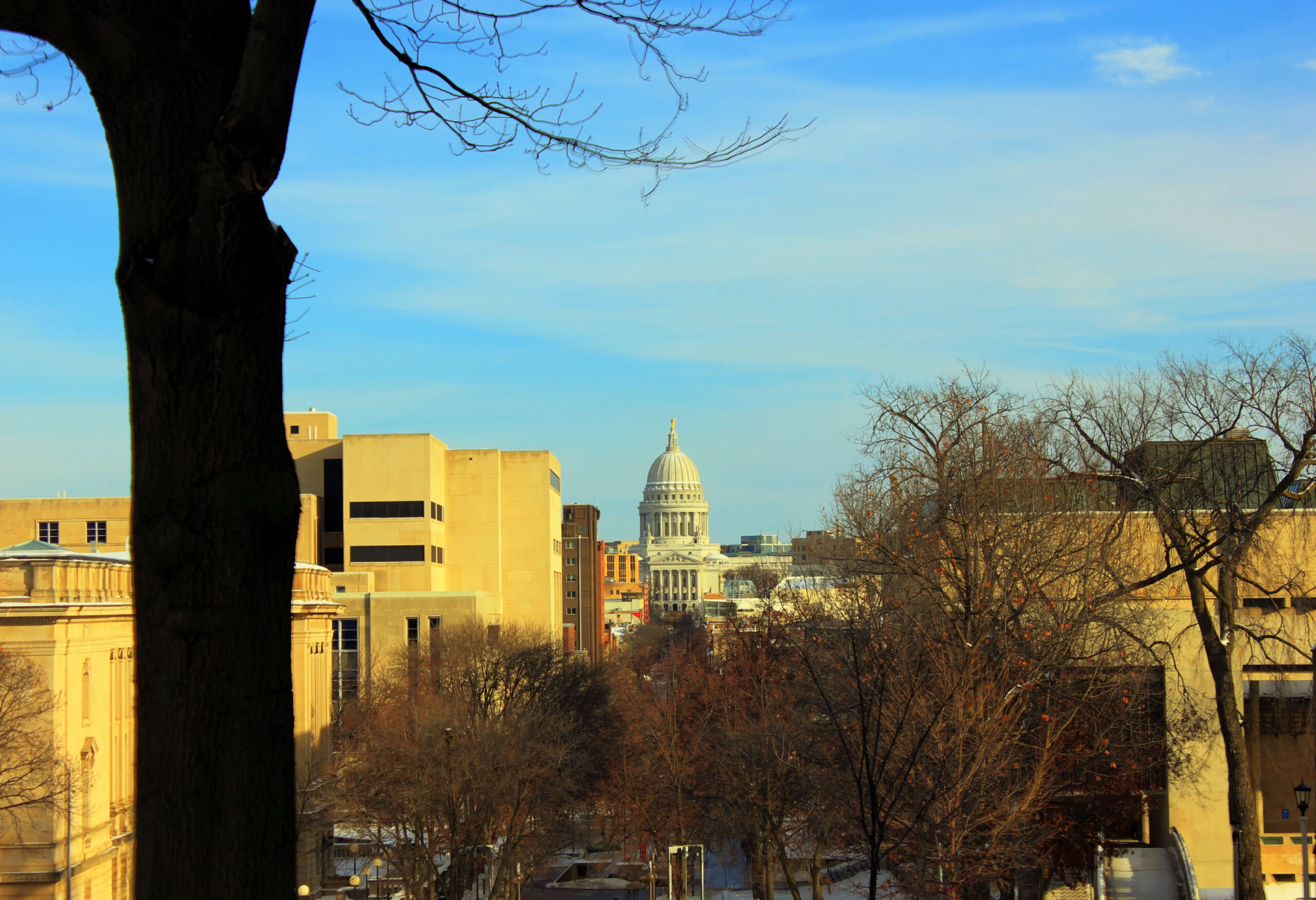
Image: Yinan Chen, public domain, via Wikimedia Commons