Ohio and West Virginia Households in Storm-Hit Counties Have Until Feb. 1 and Feb. 4, 2027 to File and Pay Taxes
The Internal Revenue Service announced on Oct. 14 that taxpayers in storm-hit parts of two states get extra time on their federal taxes: until Feb. 1, 2027, in seven Ohio counties and until Feb. 4, 2027, in three West Virginia counties. The IRS listed the Ohio relief as release OH-2026-02 and the West Virginia relief as release WV-2026-02. Households and businesses with an address in a covered county get the new dates automatically, with nothing to file or sign.
Installment Plans Survive Missed Payments, but Interest Keeps Counting
For taxpayers already paying the IRS in installments, both releases say a missed payment that falls inside the postponement period will not put the agreement in default. The agreement stays in effect, and the IRS says interest and late-payment penalties continue to accrue on what is owed. Anyone who wants to pause an automatic bank withdrawal has to contact the IRS or their bank, since the postponement does not stop direct debits on its own.
A taxpayer who receives a late-filing or late-payment penalty notice with a due date inside the relief window can call the number printed on the notice and ask for the penalty to be removed. The IRS also tells people who do not qualify for the disaster relief that they may still request penalty relief for reasonable cause, which is separate from the automatic penalty relief for taxpayers with clean records.
Estimated Payments and Payroll Deposits Run on Different Clocks
Estimated tax payments that were originally due on or after Aug. 10 in Ohio, or Aug. 14 in West Virginia, move to the new deadline, and no failure-to-pay estimated tax penalty applies if the money arrives by Feb. 1 or Feb. 4. Quarterly payroll and certain excise tax returns normally due Nov. 2 also get the later date. West Virginia’s release adds the Feb. 1, 2027 quarterly returns to that list.
Payroll and excise tax deposits are the exception. The postponement does not move them, and the IRS offers only a short penalty cushion: Ohio deposits due Aug. 10 through Aug. 25 are abated if made by Aug. 25, and West Virginia deposits due Aug. 14 through Aug. 31 are abated if made by Aug. 31.
The Seven Ohio Counties and Three in West Virginia
The Ohio relief covers Clermont, Franklin, Hamilton, Licking, Morgan, Muskingum and Perry counties, where the IRS dates the storms, straight-line winds, tornadoes, flooding and landslides to Aug. 10, 2026. Local12 reported that federal disaster aid for the same seven counties was approved in early October, and that state officials called the flooding in western Hamilton County the worst since 1959. In Hamilton and Clermont counties, Local12 said, eligible residents can apply for temporary housing, home repairs, rental costs, replacement of personal property, crisis counseling, disaster unemployment assistance and legal services, and low-interest Small Business Administration loans are available too. Ohio had asked for 23 counties, and the station said those left out of the early-October approval remained under federal review.
Governor DeWine’s Sept. 2 request for a federal declaration cited at least 50 homes and businesses destroyed and 806 with major damage across the 23 counties he asked to include. In West Virginia, the relief covers Fayette, Harrison and Kanawha counties, where the IRS dates the storms and flooding to Aug. 14. The state’s Emergency Management Division lists an Oct. 8 announcement that a major federal disaster declaration was approved for those three counties.
Other Breaks Listed in the Releases
Both releases say the usual fee for a copy of a previously filed return is waived when the FEMA declaration number, 4945-DR for Ohio or 4953-DR for West Virginia, is written at the top of Form 4506 or 4506-T. Qualified disaster relief payments are generally excluded from gross income, and people with retirement accounts may be able to take special disaster distributions on Form 8915-F or a hardship withdrawal, depending on the plan’s rules. The IRS also says the FBAR filing date for foreign accounts may be extended, and it points to FinCEN’s relief notices.
The Ohio release lists free help for filers: Volunteer Income Tax Assistance and Tax Counseling for the Elderly sites at 800-906-9887, AARP Tax-Aide at 888-227-7669, and IRS Free File guided software for anyone whose 2025 adjusted gross income was $89,000 or less. The VITA sites normally cannot help claim disaster losses. The release says Free File Fillable Forms are open to every income level.
What the Extra Months Do Not Cover
Taxpayers who had a valid extension to file their 2025 individual return also get the Feb. 1 or Feb. 4 date to file, but the payment for those returns was due April 15, 2026, and the IRS says it is not eligible for the relief. West Virginia’s release adds that W-2s and the 1099 series of information returns are generally not postponed either.
People who live or run a business outside the covered counties but keep tax records inside them can call the IRS disaster line at 866-562-5227 to ask for the same dates. The IRS keeps both releases on its disaster relief index. Similar postponements this fall cover 62 Texas counties and Hurricane Isaias victims in Alabama and Florida. Storm losses that insurance does not cover can be claimed on either the 2026 return or the prior year’s return, and the IRS asks filers to write the FEMA declaration number on the return.
This article was produced with AI assistance and edited for accuracy against the sources linked above.
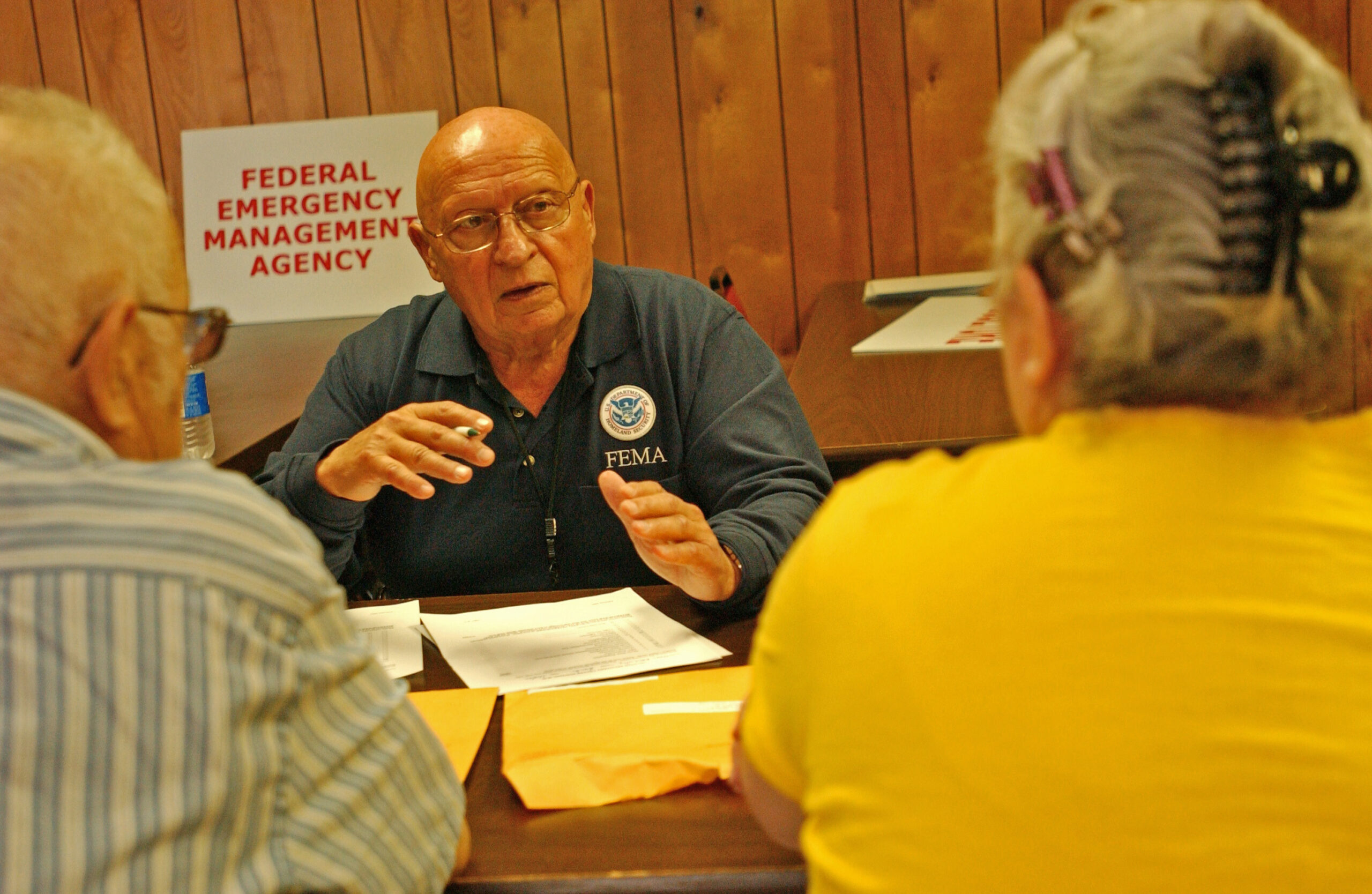
Image: John Ficara / FEMA, public domain via Wikimedia Commons