New Jersey Households on SSI or Heating Aid Can’t Have Utilities Shut Off From Nov. 15 Through March 15
For a New Jersey household that has fallen behind on the gas or electric bill, the calendar matters as much as the balance. Starting Nov. 15, a family that receives SSI, heating aid, TANF, PAAD or another benefit on the state’s list cannot have its utility service shut off for nonpayment, and that protection holds through March 15.
The New Jersey Board of Public Utilities confirmed the dates in an Oct. 30 announcement on this winter’s utility aid, listing the Winter Termination Program as protection “from utility disconnection from November 15 through March 15.” The same release says the state’s monthly bill credit program now starts at $20 per fuel, up from $5.
Who New Jersey Protects From a Winter Shutoff
The program is not automatic for everyone who owes money. A household qualifies by showing, at the time a shutoff is threatened, that it falls into one of the groups the state lists. The New Jersey Department of Community Affairs spells them out on its Winter Termination Program page. Customers are covered if they:
- receive federal Supplemental Security Income (SSI);
- receive home energy assistance (HEAP or LIHEAP) or are certified as eligible for it;
- receive TANF cash assistance or General Assistance;
- receive PAAD, the state’s prescription aid for older and disabled residents;
- get Universal Service Fund or Lifeline Credit benefits;
- get help from the Low-income Household Water Assistance Program or another state or local bill-paying program; or
- can’t pay because of circumstances beyond their control, such as unemployment, illness, medical bills or a recent death in the immediate family.
That last group is open-ended. The department says the examples “shall not be limited to” those listed, which gives residents in a sudden crisis a way in even if they have never applied for a benefit.
The protection covers more than gas and electric service from the big investor-owned utilities. The Board of Public Utilities’ assistance programs page lists water, wastewater, gas and electric service, and the community affairs department applies the rule to municipal utilities, local authorities and rural electric cooperatives as well.
What Customers Have to Do Before March 15
The shield does not wipe out what a household owes. The state’s program page says nothing about forgiving balances, and it points customers who are behind to the state’s DCAid portal and NJ 211 for help paying down the debt.
New Jersey’s largest utility asks customers to act early. In its customer notice on the program, PSE&G tells eligible households to call 1-800-357-2262 to set up a Winter Payment Plan, to pay as much as they can through the winter and to stay on the plan. If the customer and the company can’t agree on terms, PSE&G says it will ask the Board of Public Utilities to set a plan.
Utilities also have obligations. The community affairs department says companies must send notices about the program to residential customers in the billing cycle before Nov. 15, and that eligible customers who seek protection can’t be asked for a new or bigger security deposit.
Questions a utility can’t answer go to the Board of Public Utilities at 1-800-624-0241, according to the board.
Bigger Bill Credits Through the Universal Service Fund
The other half of the state’s winter package is money off the bill. The Universal Service Fund, run by the community affairs department, gives eligible low- and moderate-income households a monthly credit on gas and electric bills.
The minimum credit is now $20 per fuel, which the board called “quadruple the previous $5 minimum.” The maximum is $200 a month for gas and electric combined, up from $180, according to the Oct. 30 release. The program is designed so that a household pays no more than 3% of its income for energy, up to that cap.
Signing up for USF also brings two other protections, the board says: access to federal heating aid and to USF Fresh Start, which forgives old energy debt. Under Fresh Start, utilities automatically enroll USF customers who owe $60 or more, and each month the customer pays the current bill in full, one-twelfth of the overdue balance is forgiven, according to the board’s program page. It is available once every five years.
The board’s income table puts the USF and heating aid limit at $51,273 a year for a single person, $67,049 for a two-person household and $98,602 for a family of four.
One Application, and the Numbers to Call
A single application covers both the USF credit and federal heating aid, and it opened Oct. 1, the board says. The heating aid season runs through June 30, 2027, on a first-come, first-served basis while money lasts.
The community affairs department’s energy assistance office takes applications online through the DCAid portal and by phone at 1-800-510-3102. Seniors and people with disabilities can also look at Lifeline, which the board lists as a $225 yearly benefit for those who qualify.
The board said more than 8,000 households joined USF for the first time statewide in the last program year, beating its first-year target, and that seven gas and electric utilities have been ordered to help first-time applicants sign up.
New Jersey is not the only state with a fixed winter window. Maine’s rules require state permission to disconnect any home from Nov. 15 to April 15, and Pennsylvania’s protection for lower-income households starts Dec. 1. In New Jersey, the window that opened Nov. 15 closes March 15, and any balance left unpaid by then is still owed.
This article was produced with AI assistance and edited for accuracy against the sources linked above.
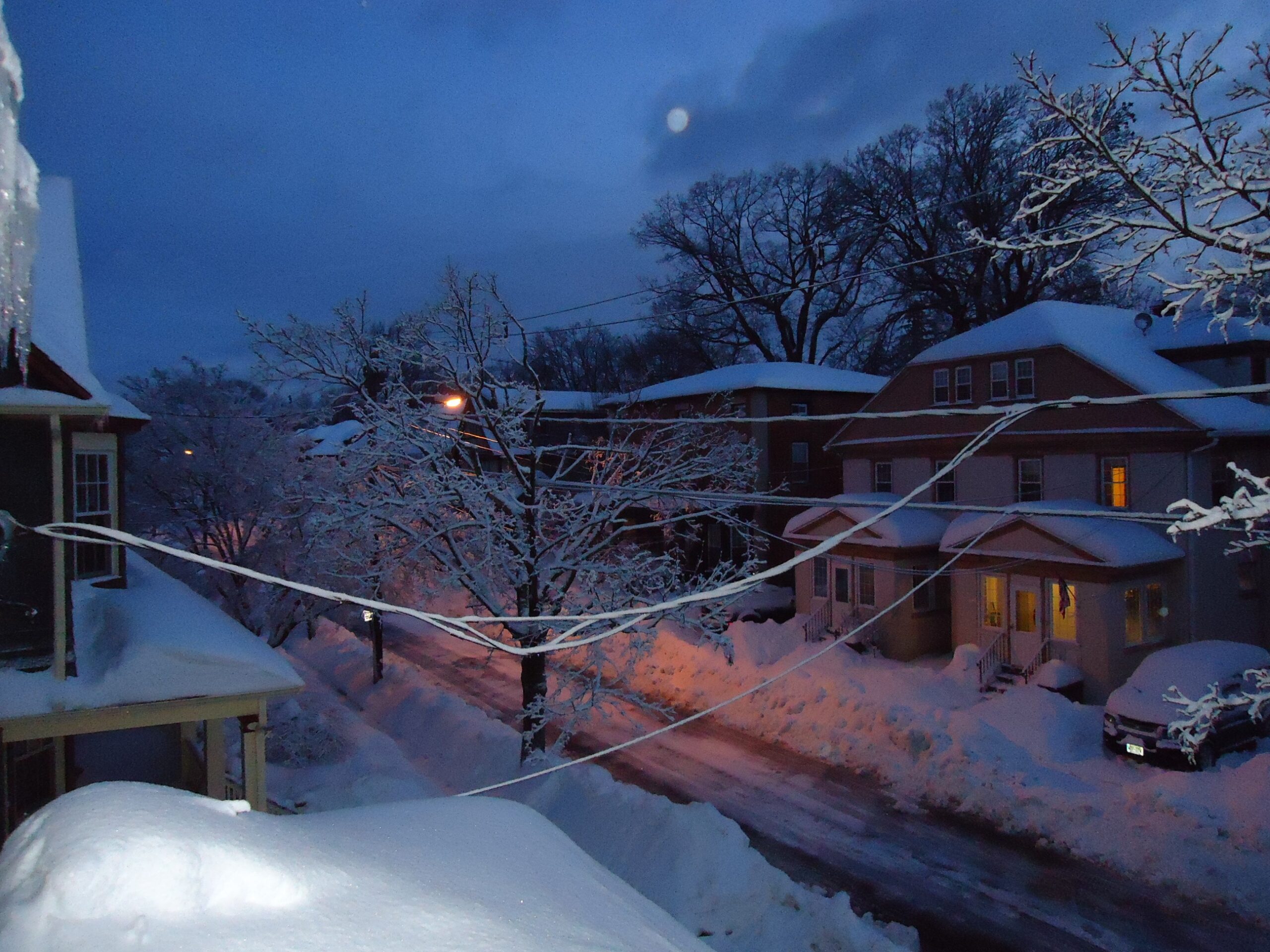
Image: Tomwsulcer – CC0/Wikimedia Commons