New Jersey’s Final 2027 Individual Health Insurance Rates Rise 19.8% on Average Before Subsidies, With Open Enrollment Open Through Jan. 31
A New Jersey household that buys its own health plan through Get Covered New Jersey is opening a renewal notice this month with a bigger number on it. The state’s Department of Banking and Insurance says the weighted average increase for 2027 in the individual market is 19.8 percent, before any subsidies.
Open enrollment is running now, and unlike the HealthCare.gov states, New Jersey keeps it open through Jan. 31, 2027.
What the state published
The Department of Banking and Insurance announcement lists the average change by carrier against 2026 rates: UnitedHealthcare at 35.7 percent, Oscar at 29.3 percent, Ambetter from WellCare of New Jersey at 20.8 percent, AmeriHealth at 17.0 percent and Horizon at 15.3 percent. The 19.8 percent figure covers on-exchange and off-exchange plans.
One detail in the department’s wording matters. It says it does not approve rates or have the authority to reject filings based on rates, and describes the figures as final rate changes the carriers filed. The department also says the figures apply to unsubsidized plans.
How New Jersey compares
A Kaiser Family Foundation analysis cited by the Inquirer puts the nationwide average individual-marketplace increase at 15 percent. The Philadelphia Inquirer reported that Pennsylvania’s Pennie marketplace averages 16 percent, and that New Jersey’s small-employer market averages 18.8 percent, with Horizon raising rates 19.5 percent and Oxford and AmeriHealth each raising them 17.6 percent, according to the state department.
The Inquirer reported that carriers attributed the individual-market increase to higher medical and specialty drug costs. Susan Ochs, the acting banking and insurance commissioner, said the increases will put “extraordinary pressure on household budgets.” Linda Schwimmer, president of the New Jersey Health Care Quality Institute, called them “unsurprising but unsustainable.”
The same report said the state counts nearly 70,000 New Jersey residents who dropped coverage after the enhanced federal subsidies expired, and that state marketplace plans enrolled 440,362 people this year.
The enrollment calendar
Get Covered New Jersey describes itself on its about page as the state’s official health insurance marketplace, operated by the Department of Banking and Insurance. Governor Phil Murphy established it by law on June 28, 2019. Open enrollment for 2027 coverage runs until Jan. 31, 2027. The same page says a plan chosen by Dec. 31 starts coverage on Jan. 1.
The state’s open enrollment flyer gives the window as Nov. 1 to Jan. 31 and lists a help line at 1-833-677-1010. It says that outside the window, a major life event such as getting married, having a baby, losing job-based coverage or moving can qualify a person for a Special Enrollment Period.
That differs from the federal system. Shoppers in HealthCare.gov states have until Dec. 15 to pick a plan for Jan. 1 coverage and until Jan. 15 to close enrollment. New Jersey residents are not on HealthCare.gov, so those dates do not apply to them.
The healthinsurance.org guide to the exchange adds a note on a federal rule that had proposed ending open enrollment by Dec. 31 in state-run marketplaces. It reports that a judge vacated that rule in June 2026, so New Jersey’s Jan. 31 deadline still applies.
What state help is available
Governor Mikie Sherrill said in the department’s announcement that “New Jersey families are already grappling with a serious affordability crisis.” The department added that many consumers may still qualify for financial assistance to lower their premiums, and that state and remaining federal subsidies can shrink the effective increase for many people.
According to healthinsurance.org, New Jersey Health Plan Savings is a state-funded premium subsidy for Get Covered New Jersey enrollees with household incomes up to 600 percent of the federal poverty level. For 2026 that line was $93,900 for a single person and $192,900 for a family of four. The site reports that the state said it lacked funding to fully offset the loss of the enhanced federal subsidies, so coverage is less affordable overall than it was in 2025.
The Get Covered New Jersey page adds that the marketplace is the only place to apply for financial help that lowers monthly premiums and out-of-pocket costs, and that applicants can also check whether they qualify for free or low-cost coverage through NJ FamilyCare.
What the carrier spread means for a renewal
The gap between carriers is wide: 15.3 percent at the low end and 35.7 percent at the high end. A household whose plan stays with the same carrier will see that carrier’s increase, and the average does not apply to every plan. Because the department’s percentages are for unsubsidized premiums, the amount a subsidized household actually pays depends on its income and the benchmark plan in its area.
Shoppers who have until Jan. 31 have time to compare carriers inside the marketplace before choosing, though the Dec. 31 cutoff applies to anyone who wants coverage to begin on Jan. 1.
Anyone weighing the move should also see how the federal side is handling the same year. The HealthCare.gov 2027 premium picture shows a national proposal that sits below New Jersey’s final average.
This article was produced with AI assistance and edited for accuracy against the sources linked above.
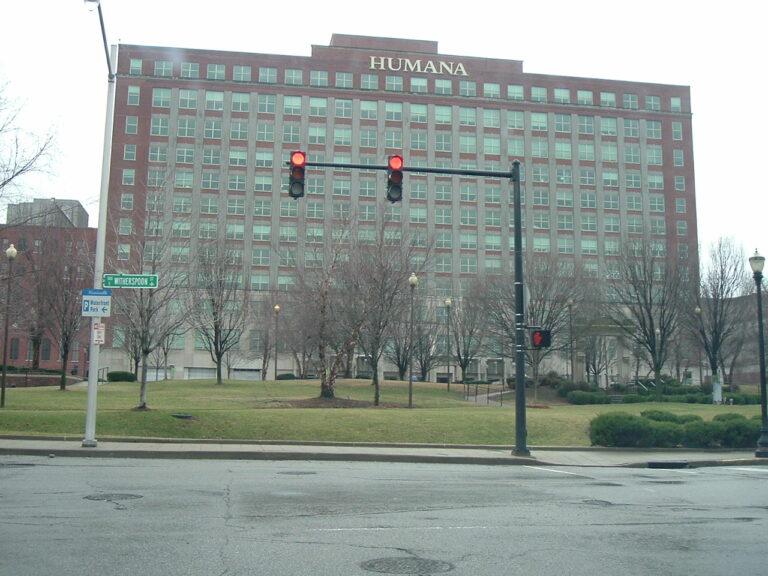
Image: Nightscream – CC BY 3.0/Wikimedia Commons