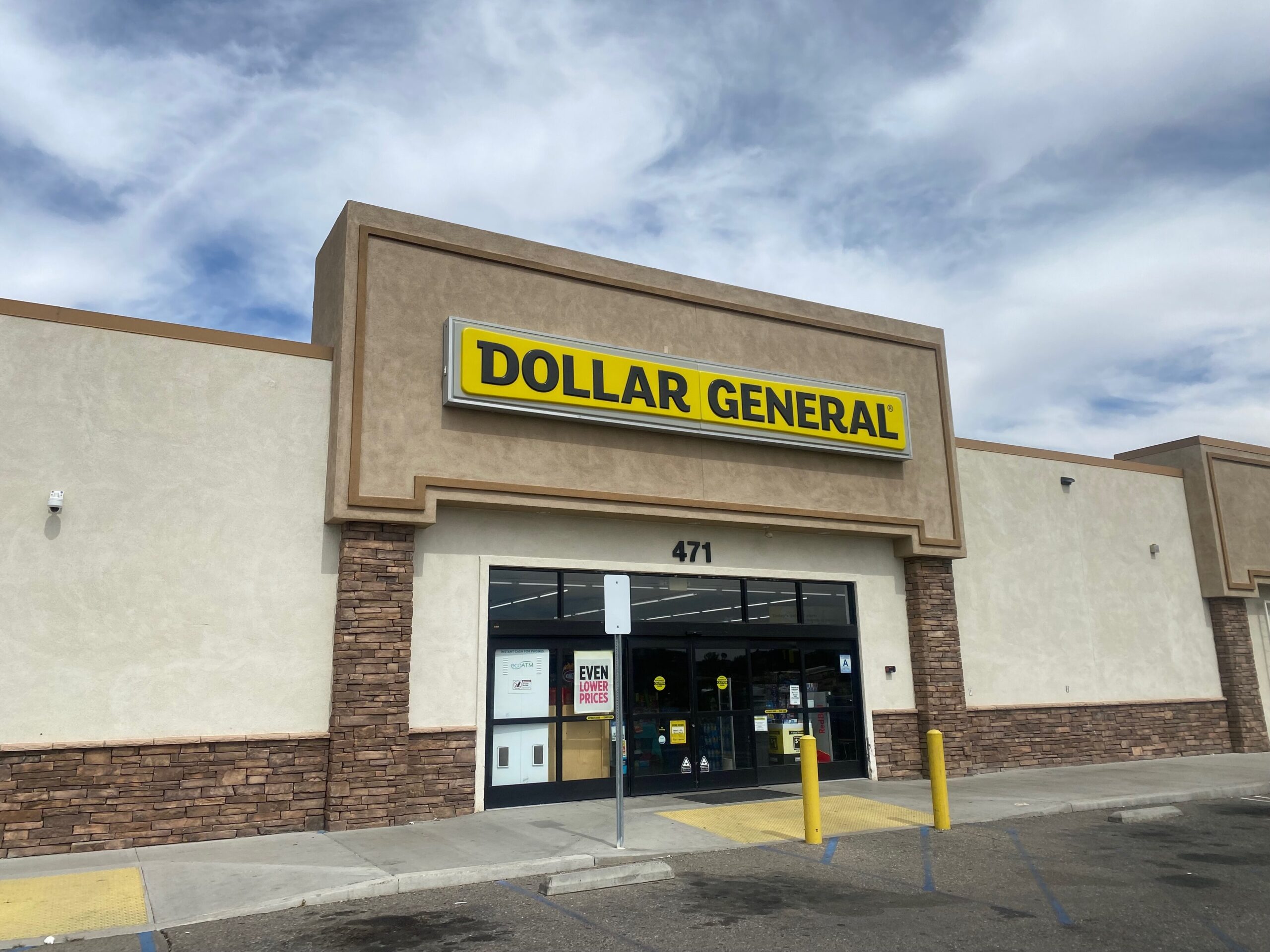
Dollar General Is Being Sued by the FTC and 20 States for Charging More at the Register Than the Shelf Price, After 29,265 Customer Complaints Since 2023
A cart of 58 items, scanned at the register, came to $3.25 more than the shelf tags said it should. That is what Federal Trade Commission investigators found on a Jan. 16, 2026 undercover purchase at a Dollar General in Cleveland, where 13 of the 58 items rang up at a different price than the one marked.
The result is one piece of a lawsuit the FTC and 20 states filed against the chain on Oct. 26, alleging that Dollar General routinely charges customers more at the register than the prices shown on shelves, tags and ads.
What the complaint alleges
The FTC’s announcement says Dollar General, which operates more than 21,000 stores nationwide, has repeatedly mislabeled prices and overcharged shoppers for years despite extensive corporate knowledge of the problem. It says thousands of stores have taken in “millions of dollars” in overcharges and that safeguards are inadequate.
The states joining the FTC are Alabama, Arizona, Arkansas, California, Connecticut, Florida, Illinois, Iowa, Kansas, Louisiana, Michigan, Mississippi, Nebraska, New Jersey, North Carolina, Ohio, Oklahoma, Tennessee, Utah and Wisconsin. The case is in the U.S. District Court for the Middle District of Tennessee, and the Commission voted 2-0 to authorize the complaint.
Christopher Mufarrige, director of the FTC’s Bureau of Consumer Protection, said Dollar General “has betrayed the trust of millions of American consumers.” The release notes that the Commission files a complaint when it has reason to believe a violation is occurring, and that the court will decide the case.
The numbers in the filing
The complaint itself counts 20,893 stores in 48 states. It cites 29,265 “Did Not Honor Marked Price” complaints submitted from all 48 states between Jan. 1, 2023 and March 31, 2026. It also says households earning $35,000 or less account for 60 percent of the chain’s revenue, and that about 2,000 items sell for $1 or less.
Four FTC undercover purchases between January and April 2026 found mismatches each time. In Cleveland, 13 of 58 items (22.4 percent) rang up wrong, for a net overcharge of $3.25. In Springfield, Missouri, 6 of 59 items did, for $4.07. In Sharpsburg, Pennsylvania, 6 of 60 did, for $2.60, and in Baltimore, 5 of 59 did, for $3.65.
The dollar amounts are small per trip. The complaint’s argument is about repetition across thousands of stores and millions of transactions.
What state inspectors found
The complaint draws on state pricing inspections. Over 39 percent of Kansas inspections failed between January 2023 and March 2026. In New Mexico, 53 percent of 73 inspections failed in early 2026. All eight Iowa inspections failed, with 18 percent of tested items overcharged. In Wisconsin, 662 of 7,344 scanned products (9 percent) were overcharged in 2023, averaging 17 percent above the stated price.
Louisiana recorded 144 failed audits and $176,850 in fines from January 2023 through April 2026. In Missouri, 92 of 147 inspections failed over the 18 months ending in 2023. Tennessee’s failure rate was over 10 percent in early 2026, up from 5 percent in 2025.
Other results in the filing include at least 20.1 percent of 392 inspections failing in Arkansas, 23.97 percent of 242 failing in Kentucky in 2023, and over 45 percent failing in Utah, where one store in Nephi failed 15 of 19 inspections. In Lake County, Ohio, half of the audits failed in early 2026, and North Carolina inspectors logged 399 pricing inaccuracies across 28 inspections of 10 stores.
The complaint also points to internal company audit data, with figures redacted in the public copy, that it says shows recurring pricing discrepancies. It says stores are often understaffed and that price labels are sometimes not updated or are discarded.
The filing also lists seven earlier settlements with six state agencies since 2019 totaling more than $6 million, including Vermont at $1.75 million, Pennsylvania at $1.55 million and New Jersey at $1.2 million, along with eight class actions since 2022.
What the plaintiffs want and what happens next
The complaint seeks a permanent injunction, a monetary judgment, restitution and civil penalties, according to the filing and the FTC’s case page, which lists the matter as pending. The FTC’s release does not say how much money it is seeking. State penalties cited in the complaint include up to $2,500 per violation in California, $10,000 per violation in Florida (or $15,000 if a senior or person with a disability was victimized) and up to $50,000 per violation in Illinois.
Nothing in the filing is a court finding. As of Nov. 9, the Dollar General newsroom listed stories dated through Nov. 6, none of them addressing the lawsuit.
Why a few dollars matters for budgets
For a household shopping on a tight budget, a $3 or $4 gap on one trip is easy to miss and adds up over a year of weekly visits. The FTC’s consumer protection bureau page lists the case among its October actions.
No refund program exists in this case, and the complaint has not been decided. The complaint’s evidence rests on comparing the price on the shelf tag with the price the register charges, a check any shopper can make with a receipt.
This article was produced with AI assistance and edited for accuracy against the sources linked above.
Image: YosemiteYamper – CC BY-SA 4.0/Wikimedia Commons