Progress Residential and Pretium Partners Will Pay $49.75 Million to Settle FTC Charges Over Hidden Rental Fees and Withheld Security Deposits
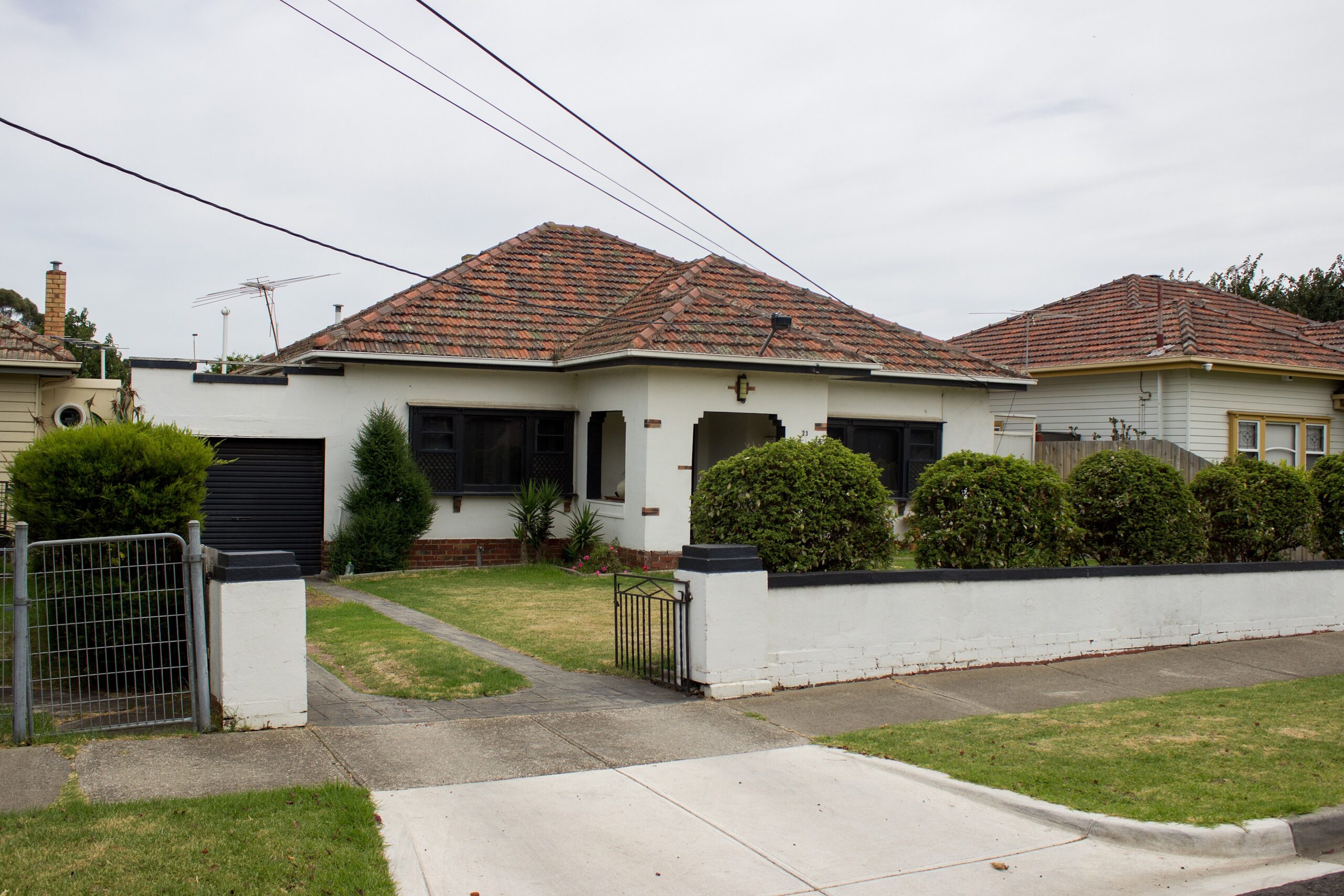
The monthly rent in the listing was one number. The first bill was another, with a “smart home” charge and a fee for not carrying renter’s insurance added on top. According to the Federal Trade Commission, that is how many tenants of Progress Residential, the largest manager of single-family rental homes in the country, learned what their house really cost.
On Nov. 6, the FTC announced that Progress and its owner, the private equity firm Pretium Partners, will pay $49.75 million to settle charges brought by the agency and four states.
Where the $49.75 million goes
The FTC’s announcement splits the money into two parts: $48.5 million to the FTC for redress to harmed consumers, and $1.25 million to the State of Arizona. Arizona, Colorado, Indiana and Utah joined the FTC as plaintiffs. The case is in the U.S. District Court for the Northern District of Georgia, and the Commission voted 2-0 to authorize the complaint and the proposed order.
The FTC calls it the largest enforcement matter against a landlord in the agency’s history. Progress manages more than 90,000 homes in 17 states, owned through Pretium’s investment funds. The proposed order takes legal effect only after the court approves and signs it.
The announcement does not say how renters will be identified or how much each will receive, and it does not describe a claim process. It points readers to the FTC’s refund pages for updates.
What the FTC says happened
The FTC alleges that since at least 2021, advertised monthly rents left out mandatory fees. Those included monthly “smart home” or “utility management” fees and a “renter’s insurance exemption fee.” Many renters, the agency says, saw them for the first time on their first bill.
The complaint also says homes were advertised as “move-in ready” and inspected when many needed serious maintenance, repairs or cleaning. It says security deposits were withheld for normal wear and tear, pre-existing conditions and renovations that the companies were responsible for, often with no itemized statement. Renters reported slow or no responses to repair and billing problems, and form contracts barred tenants from making negative comments about the company.
The FTC says most of the conduct happened under prior management and that new management has moved to fix the problems. Reporting carried by Devdiscourse said Progress maintains its practices were transparent and consistent with the industry, did not admit wrongdoing, and disagrees with the FTC’s claims.
What the proposed order would require
Under the terms the FTC published, Progress would have to advertise a “true total monthly rental price” that includes all mandatory recurring fees. It could not claim homes were inspected or passed inspection before move-in unless that was accurate.
On deposits, the order calls for a refund process with uniform standards for withholding, staff training and records of each home’s condition. Renters would receive an itemized statement of deductions within 30 days of move-out, or sooner if state law requires. Deductions for normal wear and tear, pre-existing conditions and certain renovation costs that the renter did not cause would be banned. The order would also bar standardized nondisparagement clauses and certain unfair customer service practices.
What the last landlord case produced
The closest precedent is the FTC’s 2024 case against Invitation Homes. The company agreed to pay $48 million, and the FTC’s case page says that in March 2026 the agency announced it was sending more than $47.2 million to harmed consumers.
A local news report in MyChesCo said the checks went to 444,131 eligible consumers who paid Invitation Homes $45 or more in covered fees or charges between January 2021 and September 2024, and that renters who had already received credits or refunds for those charges got nothing more. Dividing $47.2 million by 444,131 gives roughly $106 a person, although that is a simple average rather than an FTC figure. The refund administrator was Rust Consulting, and recipients had 90 days to cash their checks.
The National Low Income Housing Coalition, in a memo on that case, cited testimony that average annual lease fees in Invitation Homes properties rose from $201 to $449 between 2018 and 2021.
What renters of Progress homes can expect
No Progress renter has a check coming yet. The court has to approve the order first, and the FTC has not said how eligibility will be set. In the Invitation Homes case, the settlement came in September 2024 and the payments were announced in March 2026, a gap of about a year and a half.
The Invitation Homes payments were tied to fees actually paid, so renters of Progress homes who kept lease paperwork, fee statements and move-out documents hold the kind of records that could matter. The FTC says it never requires payment or financial account information to receive a refund, so a request for either is a sign of a scam.
This article was produced with AI assistance and edited for accuracy against the sources linked above.
Image: Philip Mallis – CC BY-SA 2.0/Wikimedia Commons