Medicare Drug Costs Will Stop at $2,400 in 2027, $300 More Than This Year, and Enrollment Ends Dec. 7
A pharmacy counter in January can feel very different from one in November, because Medicare’s drug benefit resets every calendar year and the dollar line that ends a person’s spending moves with it. For 2027, Medicare.gov says that line is $2,400 in out-of-pocket spending on covered Part D drugs, up from $2,100 in 2026. That is $300 more than this year, and the window to pick or change a plan for 2027 closes Dec. 7.
Once spending on covered drugs reaches that mark, the same Medicare.gov page says a person moves into catastrophic coverage and pays nothing out of pocket for covered Part D drugs for the rest of the calendar year.
Where the $300 Increase Comes From
The cap is not a one-time number. AARP’s Medicare coverage notes that federal law capped enrollees’ total Part D out-of-pocket spending at $2,000 in 2025, $2,100 in 2026 and $2,400 in 2027. That is a $100 step from 2025 to 2026, then a $300 step into 2027.
The Centers for Medicare & Medicaid Services explains how the yearly adjustment works in its 2027 rate announcement. The agency says it will update the defined standard benefit deductible amount and the annual out-of-pocket threshold by multiplying the 2026 amounts by the 2027 annual percentage increase and rounding as the statute specifies.
The same Medicare.gov page lists the deductible limit that moves alongside the cap. No plan may charge a deductible above $615 in 2026, and that ceiling is $700 in 2027.
How the Cap Has Moved Since 2025
The cap was $2,000 in 2025, $2,100 in 2026 and $2,400 in 2027, which makes the 2027 level $400 higher than where it started two years earlier.
The deductible follows a similar path. The 2027 limit of $700 is $85 above the $615 ceiling for 2026, according to the same page, which describes it as the most any Medicare drug plan may charge.
What Changes at the Pharmacy Counter on Jan. 1
For someone who takes several brand-name medicines, the practical meaning is a higher ceiling on a bad year. A person whose covered drugs add up to enough to hit the cap in 2026 stops paying at $2,100. The same pattern of prescriptions in 2027 has to reach $2,400 before covered drugs become free for the rest of the year.
The cap counts what a person spends on covered drugs, so it does not apply to medicines a plan does not cover. People who take mostly inexpensive generics may never come near either figure, and for them the premium and the plan’s copays matter far more than the cap.
CMS has also published the projected cost of the plans themselves. In its September 28 announcement, the agency said the average monthly premium for stand-alone prescription drug plans is projected to rise from $35.09 in 2026 to $36 in 2027. For Medicare Advantage plans that include drug coverage, the agency projects the average Part D premium after rebates will fall from $11.32 to $7.
AARP’s report on the 2027 premiums adds more detail from the CMS data. It says the average Medicare Advantage premium is expected to fall from $14.37 to $12, and that 88% of non-low-income beneficiaries can get a basic Part D plan for $10.30 per month or less. AARP also notes that KFF’s analysis expects higher costs for many people. CMS Administrator Dr. Mehmet Oz urged beneficiaries to use open enrollment to review their coverage and compare options.
The Dec. 7 Deadline and What Can Be Changed
Medicare’s annual open enrollment period runs Oct. 15 to Dec. 7. During that window, Medicare.gov says people can join, leave or switch Medicare Advantage plans, with or without drug coverage, and can add or drop drug coverage.
Someone in Original Medicare can join, drop or switch a Medicare drug plan. Someone in a Medicare Advantage plan can move back to Original Medicare. Medicare.gov lists all of those moves as available in the same two-month period.
Timing matters because a new plan does not start right away. Coverage chosen during open enrollment starts Jan. 1 of the next year, and Medicare.gov notes that the plan must get a person’s request to join by Dec. 7. AARP’s coverage describes the same period as the annual sign-up that runs through Dec. 7.
Checking a Plan Against the Medicines Actually Taken
A plan that looked right a year ago can look different now. The comparison that matters is a person’s actual prescription list, with doses, run through each plan’s 2027 costs. For someone close to the cap, a lower premium can still lose to a plan that charges less at the counter for the one expensive drug that drives the year’s spending.
Two related changes are covered separately, including the Part D deductible rising from $615 to $700 in 2027 and the projected Medicare Advantage premium drop to $12 a month. Medicare.gov’s costs page remains the reference for the exact amounts.
The CMS press release gives the same dates, Oct. 15, 2026, through Dec. 7, 2026, so the federal sources and AARP agree on when the window closes. Medicare.gov says no Medicare drug plan may have a deductible above $700 in 2027, so that limit applies whichever plan a person lands in, alongside the $2,400 mark for catastrophic coverage.
Medicare drug costs in 2027 will stop at $2,400, which is $300 above this year’s $2,100 mark, and the last day to sign up for or switch a 2027 plan is Dec. 7.
This article was produced with AI assistance and edited for accuracy against the sources linked above.
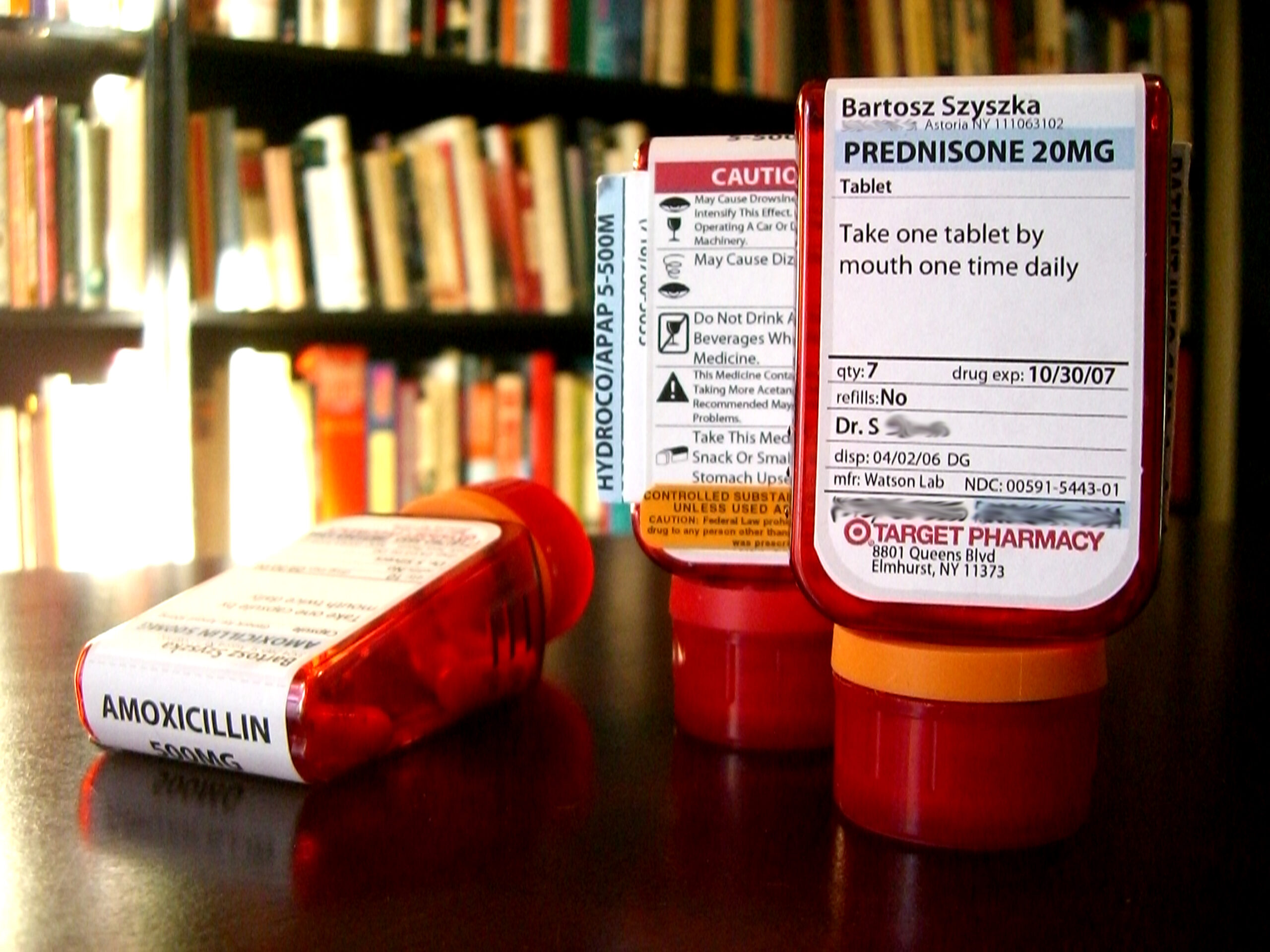
Image: Bart from New York, USA – CC BY 2.0/Wikimedia Commons