California Is Putting $300 Million Toward Covered California Premiums in 2027, and More Than 330,000 Enrollees Will Pay Less Each Month
A family of four in California earning $66,000 a year sits right at the line where the state starts adding its own money on top of federal premium help. For 2027, that extra help is bigger than it has ever been.
Covered California said on Oct. 30 that the state is putting $300 million into its state premium subsidy program for 2027, up from $190 million this year, and that more than 330,000 enrollees will pay less each month because of it. Open enrollment began Nov. 1 and runs through Jan. 31, 2027.
Where the $300 Million Goes
The state money is aimed at lower-income enrollees. Californians with incomes up to 200% of the federal poverty level qualify for the added state help, which for 2027 works out to $31,920 for a single person or $66,000 for a family of four, according to the exchange’s open enrollment announcement.
When it first released 2027 rates in July, Covered California said the bigger pot would reach a large slice of its customers. The agency projected that more than 500,000 enrollees, about 30% of the total, would receive a state subsidy, and estimated that about 200,000 people would become newly eligible while about 90,000 would be kept from dropping coverage.
The October update put a sharper number on the monthly effect: more than 330,000 people will pay less each month due to the expanded state subsidy, and nearly 200,000 can choose between two $0 Silver plans.
What Most Enrollees Will See on Their Bills
The exchange says 55% of its enrollees will see no premium increase for 2027. Covered California currently counts more than 1.7 million enrollees, and its October figures break down what they pay now:
- 358,000, or 20%, pay $0 a month
- 528,000, or 30%, pay $50 or less
- 725,000, or 41%, pay $100 or less
- 1,162,000, or 66%, pay $250 or less
The July rate announcement gave a few household examples. A Los Angeles couple earning about $38,000 could get a Bronze plan for $0 a month. A Sacramento family of four earning about $82,000 could get a Silver plan for under $580 a month, and an Orange County family of three earning about $41,000 could get a Silver plan for under $240.
Why Premiums Are Still Rising for Many
The state money cushions a rate increase rather than erasing it. Covered California set its preliminary weighted average rate change for 2027 at 9.9%, which the agency compared with a preliminary national median increase of 14%. Health insurance tracker ACASignups, which follows state rate filings, reported in its final California update on Oct. 31 that the 9.9% figure did not change from the preliminary filing.
The exchange blamed rising health care and pharmacy costs and the end of the enhanced federal premium tax credits, which Congress did not extend. In its October release, Covered California said the $300 million in state funding cannot replace the nearly $2.5 billion a year Californians had received through those enhanced federal credits.
Twelve insurers will sell plans for 2027, including one new company. According to the July announcement, CalOptima Health is entering the market in Orange County, while Molina Healthcare is leaving two regions, affecting about 1,600 enrollees. Every Californian will have at least two insurers to choose from, and 92% will have three or more.
California is not the only state using its own money to soften the 2027 increase. Colorado has done something similar, with state-assisted plan customers facing an average $20 monthly increase instead of $69, while New Jersey’s final 2027 individual rates rose 19.8% on average before subsidies.
The Dates That Matter Before Jan. 1
Open enrollment in California runs longer than on the federal marketplace. Covered California’s window closes Jan. 31, 2027, but the exchange says shoppers must select a plan by Dec. 31 to have coverage for all of 2027. That differs from the federal rules, where HealthCare.gov shoppers must pick a plan by Dec. 15 for Jan. 1 coverage.
Covered California says help is free and available in multiple languages. The exchange lists 16,000 certified enrollers statewide, and says 99.6% of Californians are within about 15 minutes of in-person help. The service center can be reached at (800) 300-1506 and is open weekdays from 8 a.m. to 6 p.m., though it is closed on weekends and on Veterans Day.
Who Is Still Uninsured
The exchange is also aiming at people who have no coverage at all. Citing UCLA CalSIM estimates, Covered California said about 1.1 million uninsured Californians are eligible for help: 461,000 for Covered California subsidies and 682,000 for low-cost or no-cost Medi-Cal. Of the 461,000 subsidy-eligible people, 58% are Latino and 47% are ages 45 to 64.
The state’s uninsured rate fell from 17.2% in 2013 to 6.1% in 2025, according to the exchange.
Covered California Executive Director Jessica Altman said in the October announcement that coverage may be more affordable than many uninsured Californians expect. In July, when rates were released, Gov. Gavin Newsom called the state’s spending on residents’ health “good for people” and “also good policy.”
The exchange’s open enrollment kickoff release also noted federal changes this year to the public charge rule and to marketplace aid eligibility for some lawfully present immigrants, which it said do not affect most immigrants. Final 2027 rates, reviewed by the state Department of Managed Health Care, take effect Jan. 1, as laid out in the agency’s rate announcement document.
This article was produced with AI assistance and edited for accuracy against the sources linked above.
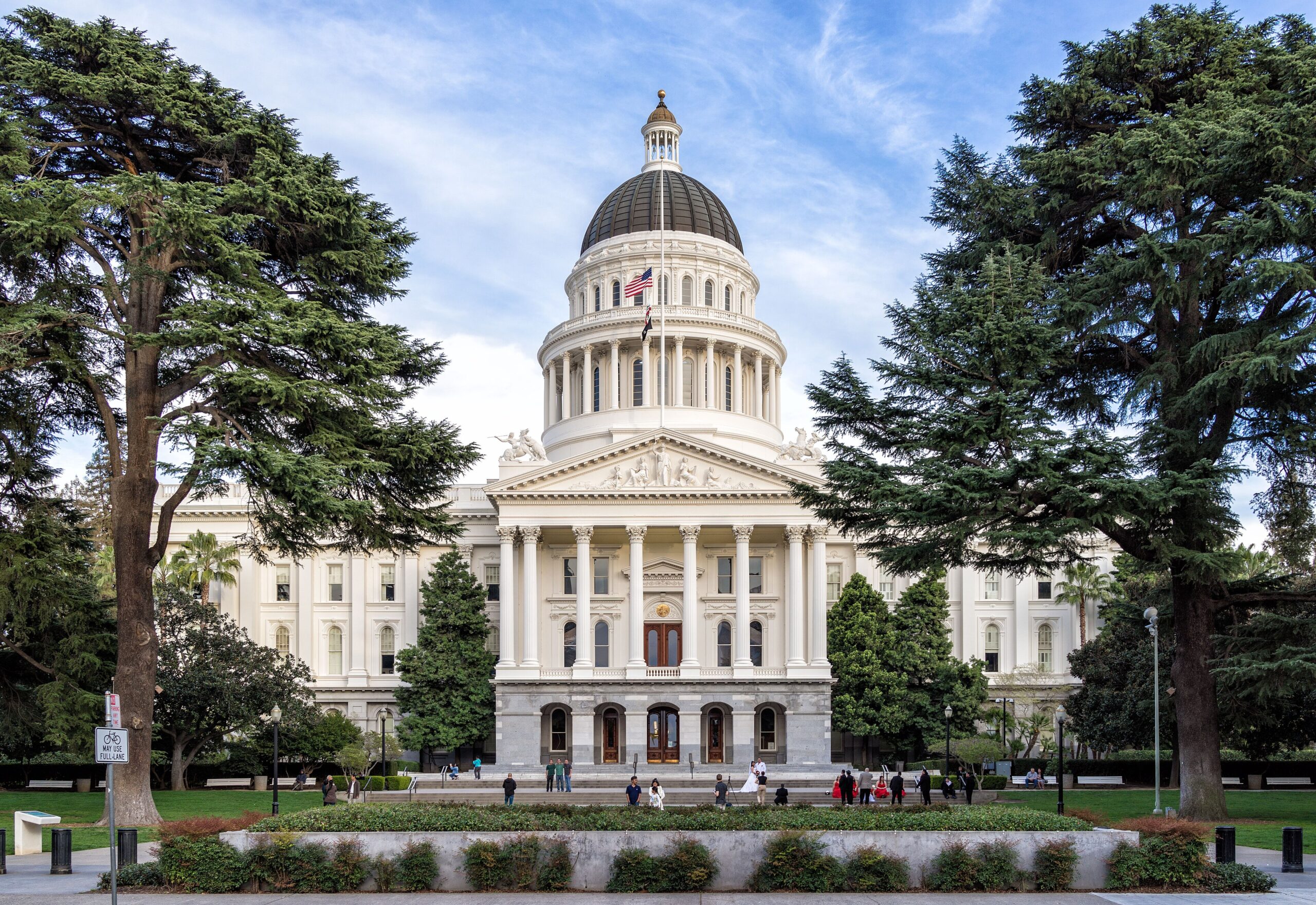
Image: Andre m – CC BY-SA 3.0/Wikimedia Commons