Maine Utilities Need State Permission to Disconnect Any Home From Nov. 15 to April 15, and a Violation Is Paid to the Customer
Up to $2,500. That is what a Maine utility can be made to pay a household it cuts off in violation of the state’s winter rules, and under state law the money goes to the customer, not the state.
Starting Sunday, Nov. 15, Maine’s winter disconnection period is back in force. Through April 15, a utility may not shut off a residential customer for unpaid bills without first getting permission from the Consumer Assistance and Safety Division of the Maine Public Utilities Commission, according to Title 35-A, Section 718 of Maine law.
What the Law Says, in Plain Words
Section 718 is short. It defines the “disconnection prohibition period” as any time between Nov. 15 and April 15. During those months, a utility cannot disconnect a residential customer on a set date or within a set window unless it first gets the division’s permission.
The law also controls what utilities can put in writing. Any winter notice that mentions disconnection has to include a prominent statement that service cannot be shut off without the division’s advance permission, that the customer will be told about any request for permission, and that the customer has the right to be heard by the division.
A winter notice that does go out also counts for something. The statute says a permitted notice to a residential customer counts as a notice of disconnection for emergency assistance programs, including emergency general assistance and fuel assistance. That can help a household qualify for emergency aid.
Then comes the part with teeth. A utility that breaks the section faces a civil penalty of up to $2,500, “payable to the affected customer,” recoverable in a civil lawsuit and on top of any other remedies the customer has. The statute defines a residential customer to include any account used for a home, even if some of the power is also used for a business.
Gas Customers Are Covered Too
The statute itself speaks of electric transmission and distribution utilities. The commission’s detailed rule goes further. Chapter 815 of the commission’s rules, the consumer protection standards, says it applies to “all transmission and distribution electric and gas utilities” under commission jurisdiction, and it defines the Winter Disconnection Period the same way, Nov. 15 through April 15.
Gas utilities spell this out to their own customers. A winter rights notice from Unitil, which serves gas customers in Maine, says that customers who fail to contact the company may be disconnected with approval from the commission’s consumer division, and it lists that division’s toll-free number, 1-800-452-4699.
When the State Can Still Say Yes
The winter period is not a blanket ban. Under Section 10(M) of Chapter 815, the division can authorize a winter disconnection only in specific situations: the customer rejects a payment arrangement or will not accept the division’s terms, the customer breaks a second or later special payment arrangement, or neither the utility nor the division can reach the customer.
The utility has to file a written request explaining why, and send a copy to the customer along with the notices it already sent. The division then weighs:
- How well the customer has communicated and cooperated with the utility and the division
- The customer’s ability to pay
- The household’s need for service during the winter
- Whether the customer kept earlier payment arrangements
- Whether the utility followed the winter rules itself
The division can approve the disconnection, approve a limited “cycle” disconnection, or deny the request and set payment terms instead.
Cycle disconnections come with their own limits under the rule. Service cannot be cut before 8 a.m. and must be restored by 5 p.m. There can be no cycle shutoffs on weekends or holidays, on days the temperature is not expected to reach 32 degrees, or when children under 12, elderly people or anyone with a serious medical condition are in the home.
Medical Emergencies and Occupied Homes
Separate protections in Chapter 815 apply all year. Once a utility has been told about a medical emergency, it may not disconnect. A physician’s certification can be given by phone or in writing, and if one is on its way, disconnection is postponed at least three business days.
The rule also covers mistakes. If a utility disconnects a unit during winter and then finds people living there, it must reconnect immediately.
The Bill Does Not Go Away
Winter protection stops shutoffs. It does not erase what is owed. Unitil’s notice tells customers that in most cases they must pay the full past-due amount by Nov. 1 of the following year. It urges anyone who cannot pay to call the company at 1-888-301-7700 and set up a payment arrangement, and warns that the company cannot help customers who never get in touch.
Help is available for the bills themselves. Central Maine Power says eligible customers can get up to $1,200 toward their electric bill through the Electricity Lifeline Program, and those enrolled in heating aid or the Lifeline Program can use its Arrearage Management Program to cut past-due balances by up to $500 a month as they keep up with current bills. CMP’s customer line is 800-686-4044, and 211 Maine connects callers to local assistance.
The commission’s electricity help page advises contacting the utility first and then the Consumer Assistance office at 800-452-4699, open weekdays from 9 a.m. to 4 p.m. Eastern.
Other states run similar winter rules with different dates. The Tonic Edit has covered New Jersey’s winter shutoff protection, which also starts Nov. 15, and the Iowa moratorium that began Nov. 1.
This article was produced with AI assistance and edited for accuracy against the sources linked above.
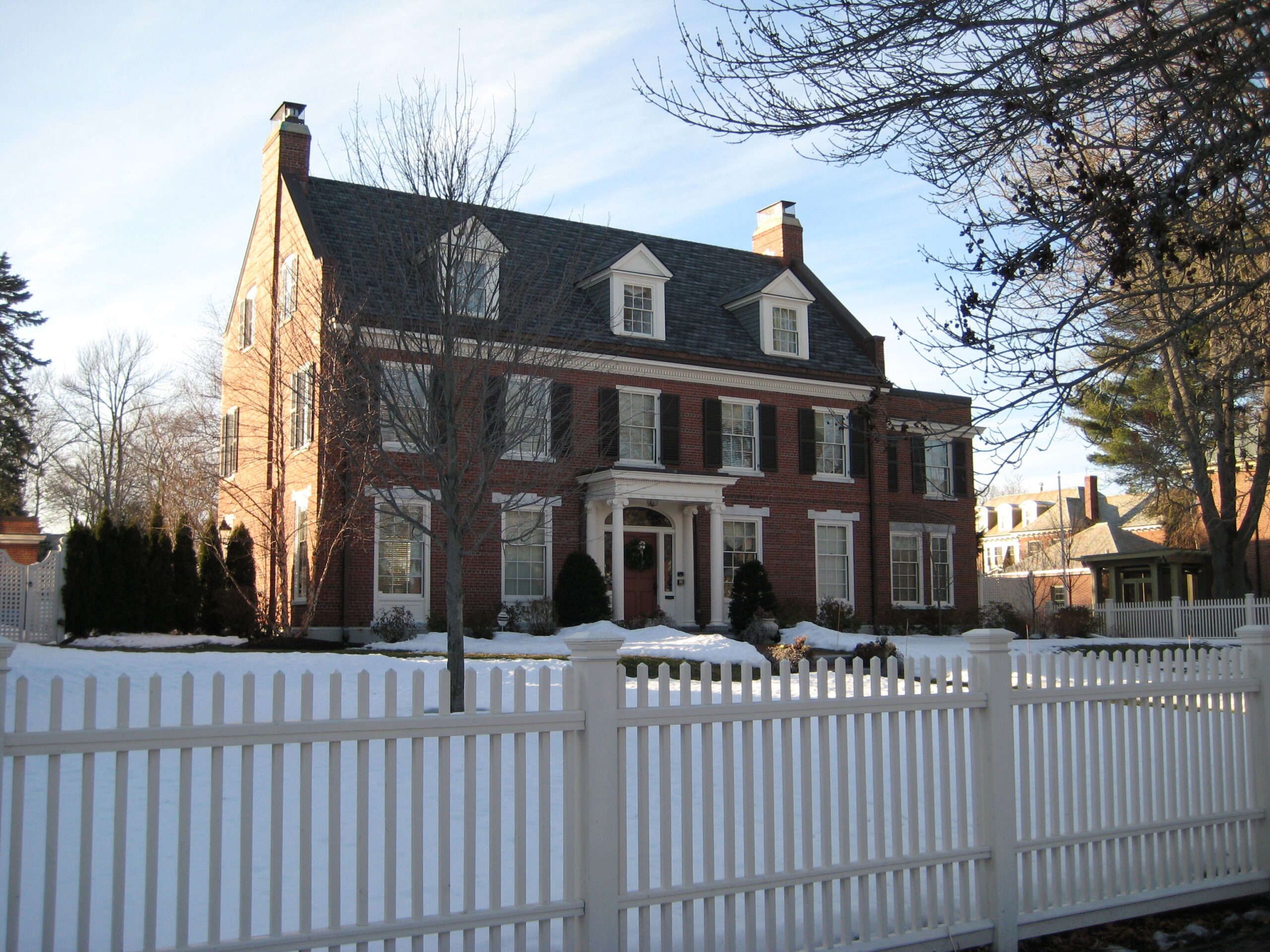
Image: User:Dudesleeper – CC BY 3.0/Wikimedia Commons