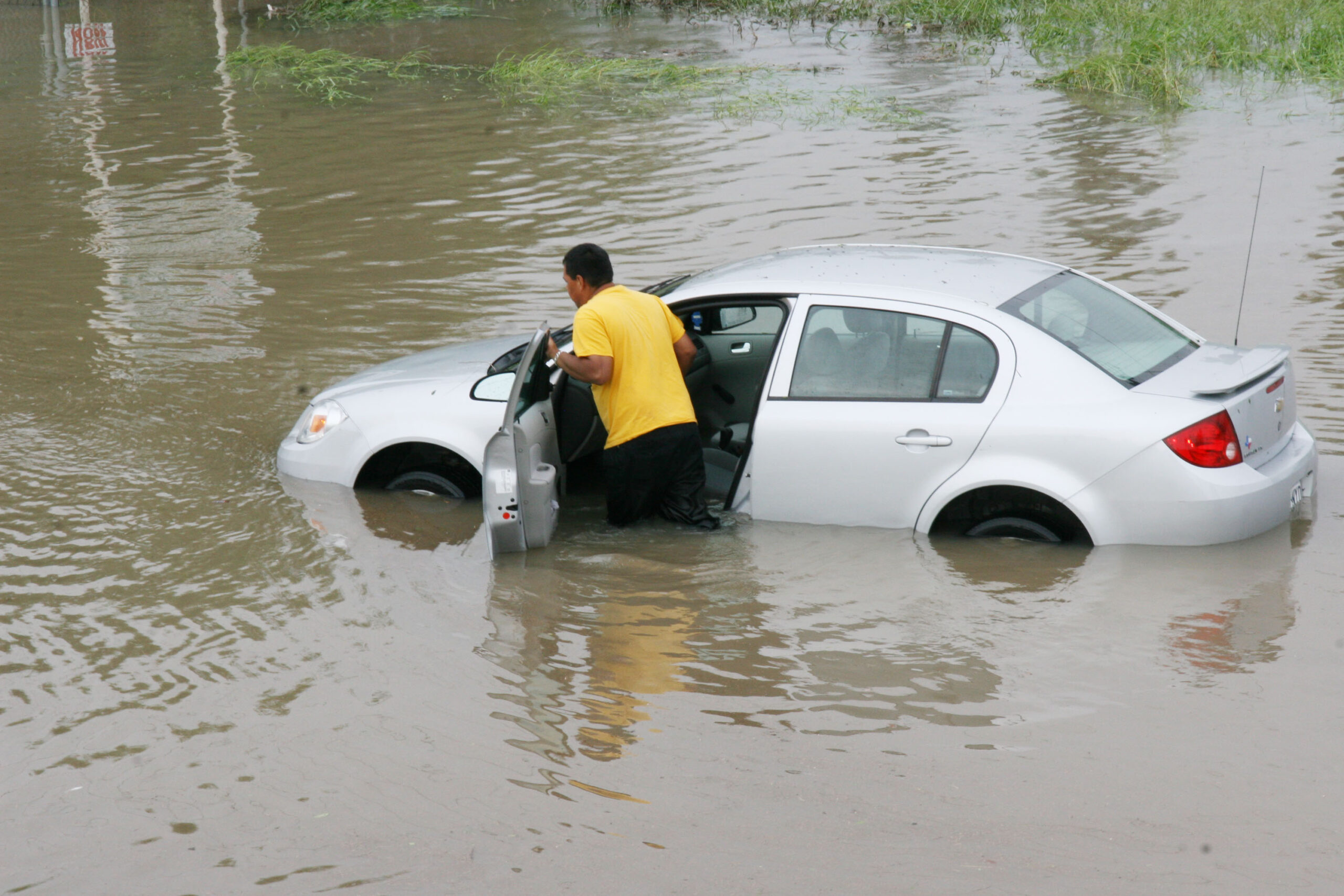
Taxpayers in 62 Texas Counties, Including Harris, Travis and Bexar, Now Have Until Feb. 1, 2027 to File and Pay After the IRS Extended Storm Deadlines
The Internal Revenue Service announced on Oct. 27 that taxpayers in 62 Texas counties now have until Feb. 1, 2027, to file and pay a range of federal taxes that would otherwise have come due since mid-July. The relief, listed by the agency as notice TX-2026-05, follows severe storms that began July 14, 2026, and covers Harris, Travis and Bexar counties among the 62.
The postponement is automatic. Taxpayers with an address in a covered county do not have to file anything to receive it, according to the IRS.
The 62 Counties on the IRS List
The agency’s announcement says the relief follows a State of Texas disaster declaration, and it names the covered counties one by one. They are Atascosa, Austin, Bandera, Bastrop, Bexar, Blanco, Brazoria, Brewster, Burnet, Caldwell, Colorado, Comal, Crockett, DeWitt, Dimmit, Edwards, Fayette, Fort Bend, Frio, Galveston, Gillespie, Goliad, Gonzales, Grimes, Guadalupe, Harris, Hays, Jackson, Karnes, Kendall, Kerr, Kimble, Kinney, La Salle, Lavaca, Lee, Live Oak, Llano, Mason, Matagorda, Maverick, McMullen, Medina, Menard, Mitchell, Pecos, Real, Schleicher, Sutton, Terrell, Travis, Uvalde, Val Verde, Victoria, Waller, Washington, Webb, Wharton, Williamson, Wilson, Zapata and Zavala.
That is 62 names. Houston television station KPRC reported the same count in its county-by-county rundown the day after the announcement, noting that Gov. Greg Abbott announced the approval.
CBS Austin reported that Abbott issued a state disaster proclamation covering the counties on July 14, the day the storms began, and asked the IRS for tax relief on Oct. 15, according to its coverage of the extension. The same report said some flood survivors in Uvalde and Kerr counties had been denied individual FEMA assistance, and that some residents have been flooded twice in two years.
The IRS maintains a running list of storm relief on its page for tax relief in disaster situations, where the Texas entry appears as TX-2026-05 with the Feb. 1, 2027 date.
Which Deadlines Move to Feb. 1 and Which Do Not
Under the IRS announcement, the new date applies to returns and payments with original or extended due dates that fall on or after July 14, 2026, and before Feb. 1, 2027. The agency lists several kinds of filings that are covered:
- Individual returns for 2025 where the taxpayer already holds a valid extension
- Estimated income tax payments due in that window
- Corporate, partnership, S corporation, estate and trust, gift and tax-exempt organization returns
- Quarterly payroll and certain excise tax returns normally due July 31, 2026, and Nov. 2, 2026
The IRS says people who filed a valid extension for their 2025 return get until Feb. 1, 2027, to file. Payments are a different matter: the IRS announcement says 2025 payments that were due April 15, 2026, are not eligible for the new date, because that deadline fell before the storms. News 4 San Antonio reported the same exclusion, noting that it applies even to filers who hold an extension, and listed Bexar among the covered counties.
Gov. Greg Abbott said, in the same report, “Texans who took damage from the July storms and floods now have more time to file and pay federal taxes.”
The relief does not stretch to everything. The IRS says it does not postpone W-2 and 1099-series information returns, Forms 1094, 1095, 1097 and 1098, or employment and excise tax deposits, though it separately addresses penalties on some deposits. Under Public Law 119-64, the announcement adds, the postponement also extends the time limit for claiming a refund or credit.
Why Taxpayers in Harris, Travis and Bexar Do Not Have to Apply
The IRS applies the relief automatically to anyone whose address of record is in a covered county. Per KPRC’s reading of the notice, taxpayers in an eligible county do not have to prove that their home or business suffered storm damage to receive the extension.
The coverage also reaches beyond residents. The announcement says it applies to individuals who live in the covered area and businesses, including tax-exempt organizations, whose principal place of business is there. Relief workers affiliated with a recognized government or philanthropic organization are covered, as are visitors to the area who were killed or injured in the disaster.
A taxpayer living outside the 62 counties whose records are stuck inside one can qualify as well. The IRS says taxpayers in that position should call its Special Services line at 866-562-5227.
Penalties, Payment Plans and Interest During the Delay
The postponement changes penalty exposure for several groups. According to the IRS, there is no penalty for failure to pay estimated tax installments if the payments are made by Feb. 1, 2027. Payroll and excise tax deposits due July 14 through July 29, 2026, will have penalties abated if the deposits were made by July 29.
Taxpayers who already received a late-filing or late-payment penalty notice for a due date in the postponement period can call the number printed on the notice to ask for abatement, the IRS says.
Those on an installment agreement get specific protection. The announcement says missed payments due during the window will not cause a default as long as they are made by Feb. 1, 2027. Interest and late-payment penalties keep accruing, though, and automatic bank withdrawals continue unless the taxpayer contacts the IRS or the bank to suspend them.
The delay is generous on filing and thin on forgiveness. A household that owes tax and has the cash can still reduce interest by paying sooner, since the interest clock runs during the postponement. Taxpayers who do not qualify for disaster relief can still seek reasonable-cause penalty abatement, the IRS adds.
How Texas Taxpayers Can Use the Extra Months
A taxpayer with a delayed 2025 return and a 2026 return to prepare will be handling both before long. Households that had been waiting on records lost or damaged in the flooding now have a longer runway to rebuild them.
The IRS also points to free help. Its announcement lists VITA and Tax Counseling for the Elderly sites at 800-906-9887, AARP Tax-Aide at 888-227-7669, and IRS Free File guided software for filers with adjusted gross income of $89,000 or less in 2025. It notes that VITA and TCE sites normally cannot help claim disaster losses. Qualified disaster relief payments from a government agency are generally excludable from gross income, the agency says, and retirement plan or IRA participants should ask their plan administrator or provider about hardship withdrawals.
Taxpayers who need a copy of a previously filed return can write SD-0018-DR in bold at the top of Form 4506 or Form 4506-T to have the fee waived, per the same announcement.
The Tonic Edit has also reported on IRS deadlines pushed into February 2027 for 40 Alabama counties and 27 Florida counties.
For Texans in the 62 counties, the next date to mark is Feb. 1, 2027. The IRS says additional disaster-related tax relief may become available, according to KPRC’s report.
Get stories like this by email. Sign up for The Parent Diaries Letter.
This article was produced with AI assistance and edited for accuracy against the sources linked above.
Image: Jacinta Quesada – Public domain/Wikimedia Commons (FEMA 37218)