Nevada Lost Nearly 1 in 4 Food Stamp Recipients in a Year, a Drop of 112,994 People Through July
Only Arizona and Louisiana lost a bigger share of their food stamp recipients over the past year than Nevada did, and Louisiana’s edge was less than a tenth of a percentage point. Nevada’s SNAP enrollment fell from 485,581 in July 2025 to 372,587 in July 2026, a drop of 112,994 people, or 23.3%, according to the U.S. Department of Agriculture’s state participation table released with data as of Oct. 9.
That is nearly 1 in 4 recipients gone in 12 months. The drop came as a federal work requirement that Nevada had been exempt from returned in stages between December and May.
Third-steepest in the country, behind Arizona and Louisiana
USDA’s table puts Arizona’s drop at 50.8%, far ahead of every other state. Nevada and Louisiana both round to 23.3%. Worked out exactly, Louisiana’s 186,385-person drop is 23.30% and Nevada’s is 23.27%. Oklahoma follows at 22.5% and Florida at 22.1%. The national decline was 13.3%, from about 41.6 million people to 36.1 million.
Nevada’s losses had mostly landed by early summer. The state had 372,879 recipients in June 2026 and 372,587 in July, a 0.1% dip in the final month. USDA calls the June and July figures preliminary, and they can still move when the agency finalizes them.
Seventy-two thousand notices, then a pause from a federal lawsuit
The federal Food and Nutrition Service told Nevada on Oct. 3, 2025, that its waiver from SNAP work rules was ending, and the rules were reinstated Dec. 1, 2025, according to the Nevada Department of Human Services. In mid-November, just over 72,000 Nevadans who were not meeting the requirements or qualifying for an exemption were notified of the change.
By late February, about 44,700 of them had been told they would lose eligibility on March 1, the department said in a Feb. 23 release. About 433,000 Nevadans were receiving SNAP at the time. The 2025 federal law known as H.R. 1 had also removed the old exemptions for veterans, young adults who aged out of foster care and people experiencing homelessness.
Roughly 43,000 people lost benefits on March 1. Days later, ongoing federal litigation restored the waiver to its original expiration date, effective Feb. 27, and Nevada was one of 16 states notified of the extension. The state’s Division of Social Services reinstated benefits on March 3, with remaining payments staggered through March 10, and issued about $7.3 million to more than 25,000 people who had been cut off. Recipients covered by the rule kept their eligibility through April 30, and the department told anyone who had received a renewal packet to return it so the division could evaluate the case.
“This guidance will allow thousands of Nevadans to continue receiving essential food assistance through April,” Kelly Cantrelle, deputy administrator of the division, said at the time.
The day about 28,000 Nevadans lost benefits
The reprieve ran out on April 30. Food assistance ended for roughly 28,000 Nevadans on May 1, The Nevada Independent reported, and those households had been receiving about $5.3 million in benefits, according to Cantrelle.
The state’s own count showed enrollment down about 14% to roughly 426,000 in April, one of the lowest levels since at least 2017, the outlet reported. Mineral County was the only county still exempt from the work rules. Cantrelle attributed the decline to “overarching broader federal and economic factors.”
A separate federal change had already hit noncitizens. Noncitizens including refugees and people granted asylum became ineligible, and about 2,200 of them in Nevada lost benefits when the state applied that rule in October 2025, division spokesperson Kristle Mussle told the Independent.
Who still has to log 80 hours, and who doesn’t
The rule applies to adults 18 through 64 who are able to work and have no child under 14 in their SNAP household, according to the Division of Social Services’ guidance for able-bodied adults. They must spend at least 80 hours a month in paid work, approved work or training, or a combination. Those who don’t can get SNAP for only three months in a fixed 36-month period, and months used in another state count toward that limit.
Meeting the 80-hour requirement restores eligibility for another three months. The division lists exemptions for people who are medically unable to work, including those receiving disability benefits; pregnant people; households with a child under 14; high school students ages 18 or 19; members of a federally recognized tribe; and people who live in a waivered area.
Job search on its own generally doesn’t count. Approved activities include the state’s SNAP Employment and Training program, the division’s Workforce Development Unit and federal workforce programs. The division offers a work activity timesheet and a medical provider form in English and Spanish, and takes questions at (775) 684-0800.
Just 0.22 points over the federal line
Nevada also faces a new bill tied to SNAP accuracy. Its fiscal 2025 payment error rate was 6.22%, with 5.69% in overpayments and 0.53% in underpayments, according to USDA’s error-rate table. That is far below the national 10.62%, but still above the 6% threshold that triggers a state share of benefit costs.
States between 6% and 8% will pay 5% of their SNAP benefits starting in fiscal 2028, while states under 6% pay nothing, Ballotpedia’s analysis shows. Because states may choose their 2025 or 2026 rate for that first year, a fiscal 2026 rate under 6% would spare Nevada the bill.
Nevada’s percentage drop is a near tie with Louisiana’s 23% decline, while next door Arizona’s rolls have fallen by about half. Nevadans who want to reapply can do so at accessnevada.nv.gov, the Department of Human Services says.
Get stories like this by email. Sign up for The Parent Diaries Letter.
This article was produced with AI assistance and edited for accuracy against the sources linked above.
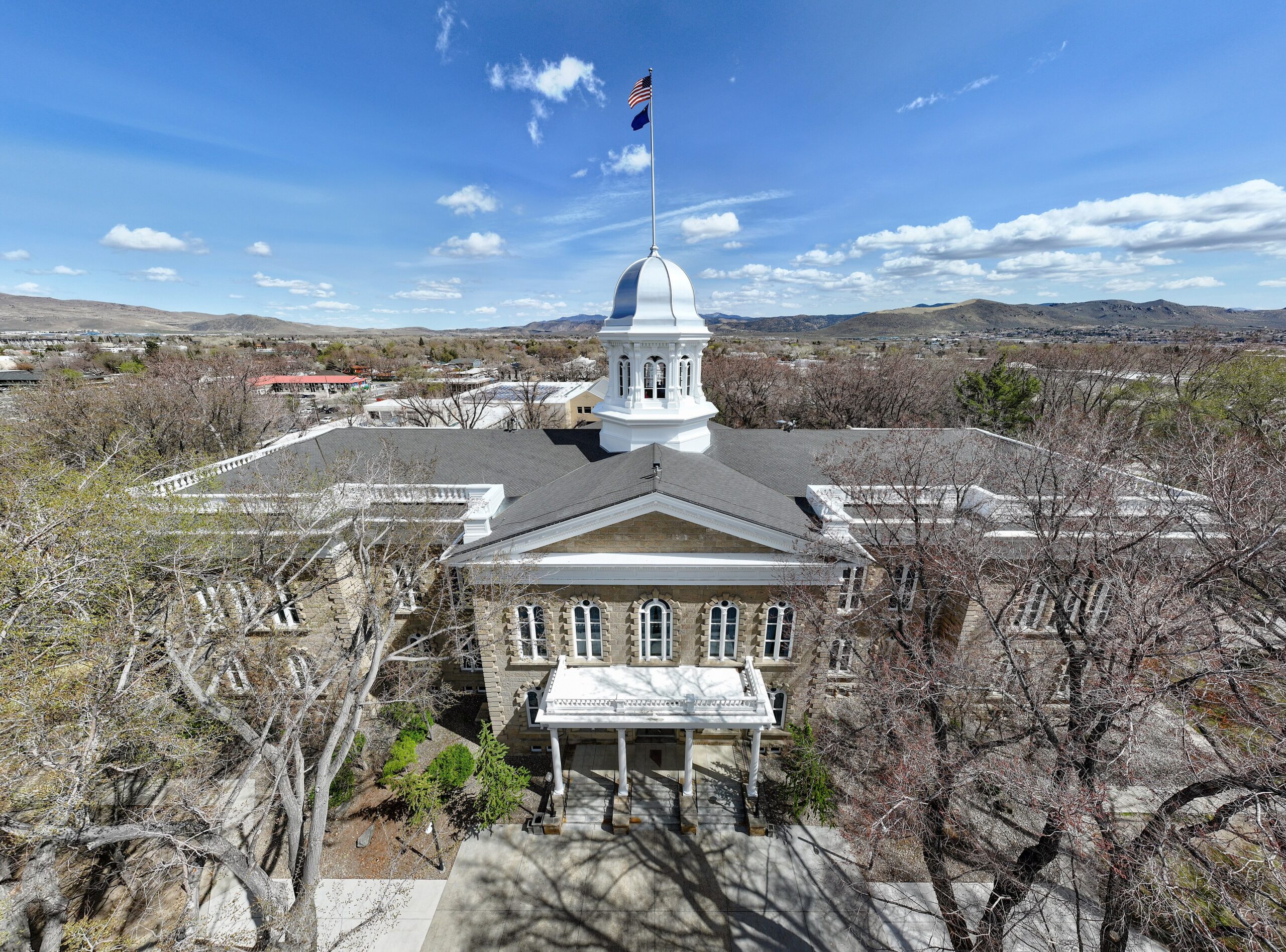
Image: Quintin Soloviev – CC0/Wikimedia Commons