DaVita Patients Whose Data Was Exposed in the April 2025 Ransomware Attack Can Claim Up to $2,500 by Jan. 19
Dialysis patients hand over more personal information than most people ever give a doctor: Social Security numbers, insurance details, lab results, sometimes images of the checks they write. In April 2025, a ransomware group got into DaVita’s systems and took some of it. Now the people affected can file for a share of a $15 million settlement.
The settlement in Jenkins v. DaVita Inc. covers everyone in the United States whose personal information was potentially accessed in the April 2025 attack, according to the court-approved settlement notice. Claims are due Jan. 19, 2027, and documented losses can be reimbursed up to $2,500 per person.
What Happened in the Attack
Healthcare Dive reported that the April 2025 attack affected about 2.7 million people and was carried out by Interlock, a financially motivated cybercriminal group that steals data, encrypts systems and threatens to leak what it took. After DaVita did not pay, the group published victims’ personal information on the dark web, according to the outlet’s report on the settlement.
The notice lists the information that may have been exposed: names, addresses, dates of birth, Social Security numbers, health insurance information, internal DaVita identifiers, health conditions, treatment information and some dialysis lab results. For some people, tax ID numbers were involved, and in limited cases images of checks written to DaVita.
Healthcare Dive reported the attack cost DaVita $25 million in 2025 and led to at least 10 lawsuits that were combined into one case. A DaVita spokesperson told the outlet the company understands the importance of safeguarding personal information, responded promptly to the attack and remains focused on strengthening its cybersecurity defenses.
What the Settlement Pays
The settlement is worth up to $15 million in total. The notice says that includes a $10 million settlement fund and a separate supplemental amount of up to $5 million for documented losses and related fees.
The first benefit is a pro rata cash payment, currently estimated at $50. It is a share of the fund, so it can go up or down depending on how many valid claims are filed. A larger number of claims means a smaller check for each person.
The second is reimbursement of documented, unreimbursed out-of-pocket losses, up to $2,500 per person. The notice says the losses must be fairly traceable to the attack and must have happened between April 11, 2025 and Jan. 19, 2027. Self-prepared receipts alone are not enough to prove them.
The third is three years of one-bureau credit monitoring with dark web monitoring, up to $1 million in identity theft insurance and managed identity recovery services. Top Class Actions lists the same three benefits and the same Jan. 19 deadline in its summary of the case.
Deadlines and the Court Timeline
The case is No. 1:25-cv-01358 in the U.S. District Court for the District of Colorado. Healthcare Dive reported that a judge approved the agreement in late August, which opened the claims process.
The notice sets three dates. Dec. 21, 2026 is the last day to opt out of the settlement or file an objection. Jan. 19, 2027 is the deadline for claims, which must be submitted online or postmarked by that day. Feb. 18, 2027 is the final approval hearing, set for 10 a.m. in Courtroom A901 of the Alfred A. Arraj Courthouse in Denver. The notice warns that the hearing date can change.
Class counsel, led by Bart D. Cohen, J. Gerard Stranch IV and Gary M. Klinger, may ask for fees of up to one-third of the $10 million settlement fund. No payments go out until the court grants final approval and any appeals are resolved, so the money would not arrive before spring at the earliest.
How to File a Claim
Claims can be filed at DVACyberattackSettlement.com or by calling 1-877-239-8791. The notice asks people not to call the court or DaVita about the settlement. Claim Depot and HealthExec both summarize the settlement’s terms and the claim deadline.
The documented-loss option takes more work. A claimant needs records such as bank statements showing fraudulent charges, receipts for credit freezes or identity restoration, or bills tied to the breach. A claimant with no documented losses can still choose the estimated $50 cash payment or the credit monitoring.
This settlement is one of several data breach cases open for claims this fall. The Tonic Edit has covered others, including the Baptist Health settlement and the AT&T breach payments.
For a DaVita patient who received a breach notice, the decision comes down to records. Anyone with real out-of-pocket costs from the breach can attach documents and claim up to $2,500. Everyone else can file for the cash share or the monitoring, as long as the claim is in by Jan. 19.
This article was produced with AI assistance and edited for accuracy against the sources linked above.
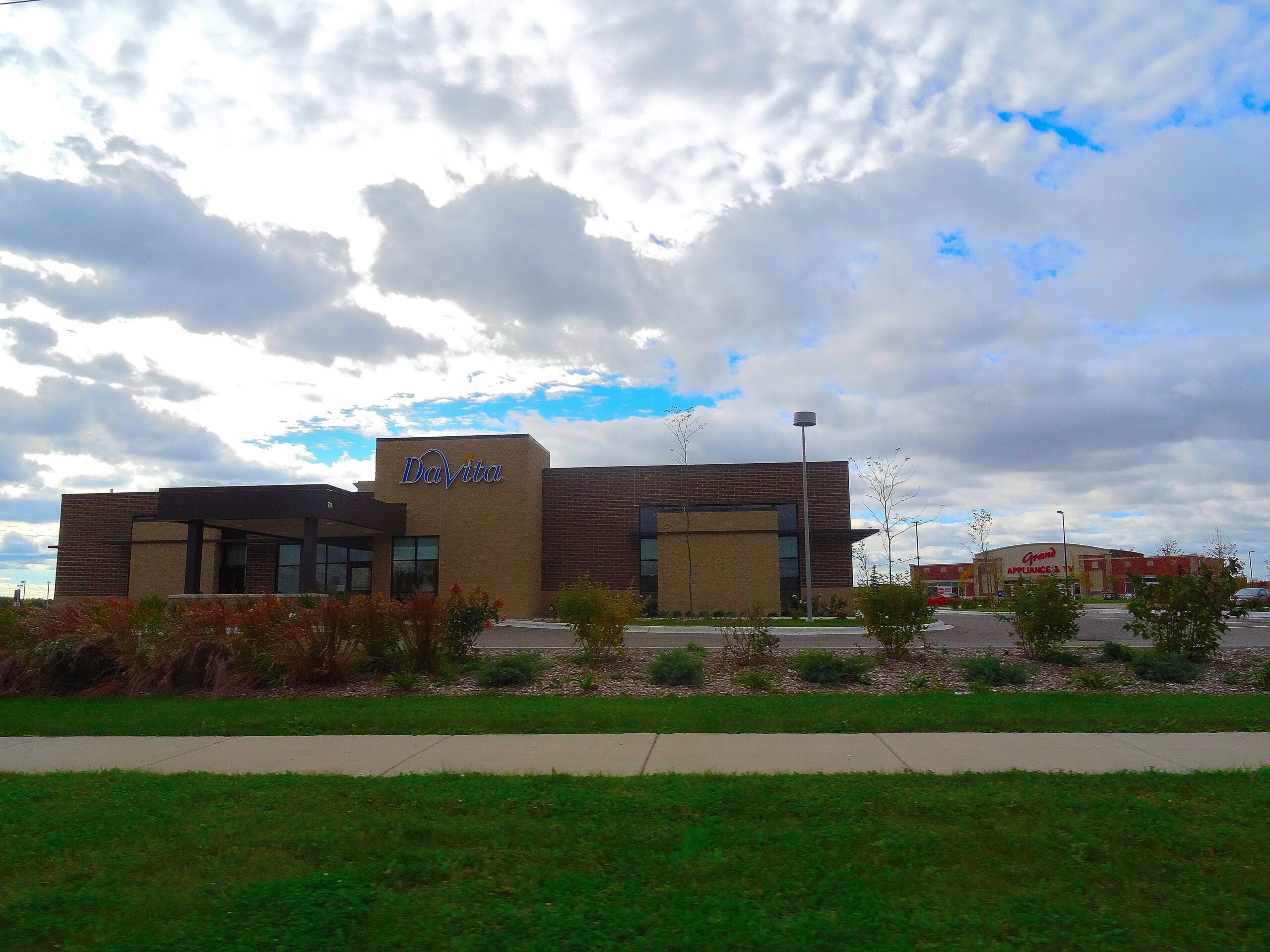
Image: Corey Coyle – CC BY 3.0/Wikimedia Commons