Wisconsin Utilities Can’t Cut Off a Home’s Heat for Unpaid Bills Until April 15
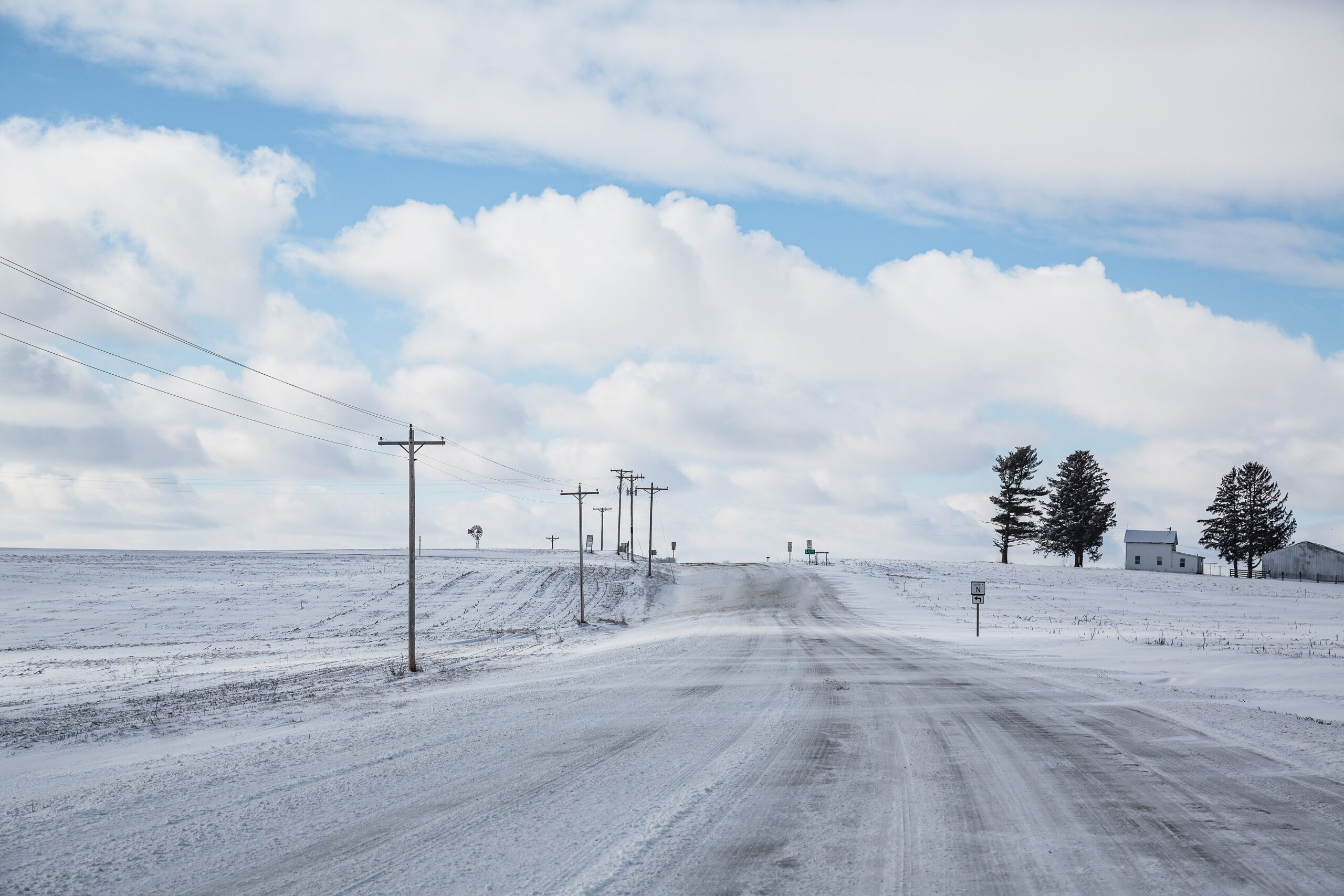
Wisconsin’s winter heating ban lasts five and a half months, from Nov. 1 through April 15. During that window, the Public Service Commission says, utilities may not disconnect electric or natural gas service for nonpayment when the service is used to heat a home.
The ban covers electric and gas heat statewide. It does not erase what a customer owes, and the date it ends matters as much as the date it started.
What the ban covers
The commission’s Oct. 22 bulletin says state law bars utilities from disconnecting essential services to residential customers during the moratorium. The agency’s customer rights page spells out the test: if the service is the home’s primary heat source, or affects it, as with water or steam radiators, the utility cannot disconnect it between Nov. 1 and April 15.
The page does not say whether the general safety and emergency exceptions override the winter ban, and it does not address service that is not used for heating. The moratorium is an annual one: the commission said in March that the 2025-26 version expired on Wednesday, April 15, 2026, so the same dates repeat every year.
Customers who were disconnected before winter
The ban stops new disconnections. It does not turn service back on for customers already cut off. According to the October bulletin, utilities do not have to reconnect until payment arrangements are made, so a household without service still has to negotiate with the company.
The customer rights page says utilities must try to reach customers disconnected for nonpayment before winter, check on their well-being, try to negotiate payment plans and tell them about available assistance. The commission urged customers with outstanding bills to contact the utility before Nov. 1 to pay, set up a plan or apply for aid.
Notices, medical emergencies and complaints
Before any disconnection, the rights page says, the utility must send a notice that gives the reasons, explains how to set up a payment plan or report an emergency, and describes the dispute procedure. The exceptions are safety hazards and self-reconnection. The page does not specify a notice period.
A utility may delay a shutoff for up to 21 days in a medical or protective-services emergency and may require documentation. A customer with a dispute should call the utility first. If that fails, the commission’s consumer affairs office takes calls at 608-266-2001 or 1-800-225-7729 on weekdays from 7:45 a.m. to 4:30 p.m. and accepts complaints online at psc.wi.gov.
The page also describes two ways to handle a balance. Budget billing spreads estimated annual use into even monthly payments that are readjusted every six months. A deferred payment agreement requires a down payment on the balance, followed by negotiated installments, and the utility may disconnect service if installments are missed.
Where the money for the bills comes from
The Wisconsin Home Energy Assistance Program opened for 2026-27 on Oct. 1, according to a Department of Administration announcement. The state estimates about 170,000 households will get help, with an average heating benefit of $441 and an average electric benefit of $257. Eligibility depends on household income, household size and home energy costs, and a household can qualify at or below 60% of the state median income.
The annual limits are $39,864 for one person, $52,129 for two, $64,395 for three, $76,661 for four, $88,927 for five and $101,193 for six. Applications can be made online at energybenefit.wi.gov or through a local agency by calling 1-866-HEATWIS, which is 1-866-432-8947. Administration Secretary Kathy Blumenfeld urged households in the announcement to apply now, and the department says crisis energy assistance is available year-round.
The program is part of Home Energy Plus, which the state’s energy assistance page says also helps repair or replace heating and water heating systems and improve efficiency through weatherization. Nearby states run their own versions, including Iowa’s LIHEAP opening on Nov. 1 and Minnesota’s energy assistance program.
April 15 is the date to watch
The commission’s March 2026 release shows how the end of the ban works. It warned that customers with unpaid bills may face disconnection if they have not set up payment arrangements by April 15, and said utilities must offer deferred payment agreements to residential customers who cannot pay an outstanding bill in full. Municipal utilities are not required to offer them to tenants, though many do.
The commission publishes a phone number for each major utility in its notices, among them 1-800-255-4268 for Alliant Energy, 1-800-245-1125 for Madison Gas and Electric, 1-800-450-7260 for Wisconsin Public Service and 1-800-895-4999 for Xcel Energy. The release points customers who cannot reach an agreement to the commission’s complaint form and to its Utility Customer Bill of Rights for more on disconnections and collections.
This article was produced with AI assistance and edited for accuracy against the sources linked above.
Image: Tony Webster – CC BY-SA 2.0/Wikimedia Commons