Jensen Huang Has Lost More Than $50 Billion From His Peak, and People Online Are Praising Him for What He Said About Paying Taxes
A week after he stepped down as Nvidia’s chief executive on Nov. 12, Jensen Huang was worth about $136 billion as of Nov. 16, according to Fortune, citing Bloomberg’s Billionaire Index. That is more than $50 billion below the peak of close to $200 billion he reached during Nvidia’s latest stock run. Yet the comments filling social media feeds are about something else: his repeated statements that he does not mind paying taxes.
Huang told CBS Sunday Morning that he does not mind paying taxes, that people who make more pay more, and that he is fine with that, Fortune reported. At a Milken Institute event in May, he said he prefers lower taxes but also does not mind paying them, adding that his tax bill arrives once a year, “it’s big,” and he pays it. A TikTok video calling him “the only billionaire on the record for being willing to pay his share of taxes” has drawn more than 300,000 views.
Huang’s Milken remarks on loopholes and a big yearly bill
The Milken remarks came during a May 4 Global Conference session titled “Leading in the Age of AI,” in which CNBC anchor Becky Quick interviewed Huang. At the conference, Huang tied his view of taxes to his feelings about the United States, saying he loves the country, according to Fortune. He also said his company does not use many tax loopholes, and described getting one large bill a year and simply paying it.
The CBS Sunday Morning remark was even shorter: higher earners pay more, and he accepts that. Fortune did not give a date for that interview, and both sets of comments were made before California’s November vote on taxing billionaires.
Proposition 40 and the $10 billion Huang could have owed
California’s Proposition 40, known as the billionaire tax, would have imposed a one-time levy on the state’s billionaires. Fortune put the rate at 5% and estimated the measure could have cost Huang close to $10 billion at the height of Nvidia’s stock run.
Voters rejected it earlier this month, WBUR’s Here & Now reported in a Nov. 16 segment on the billionaire wealth tax. Supporters had rallied for the measure in Los Angeles as recently as Oct. 5, according to the station.
A one-time 5% charge on a fortune near $200 billion works out to roughly $10 billion for a single person. Fortune reported that Huang’s on-record willingness to pay a large bill is what drew praise on social media.
What TikTok users are saying about Huang
The praise has come mostly from short videos and comment sections. Fortune quoted TikTok users calling Huang “probably the most ethical billionaire,” and the video with more than 300,000 views also drew about 70,000 likes.
Other comments paired praise for his tax stance with blunt criticism of his marriage, a sign that the clips are being watched alongside the circumstances of his exit. None of the posts Fortune quoted came from named public figures, and the reaction reflects what users are posting rather than any poll or survey.
The Nov. 12 exit and the allegations behind it
The tax talk is spreading during the worst stretch of Huang’s career. CBS News reported that Huang, who founded Nvidia, stepped down as CEO on Nov. 12 after admitting to an extramarital affair, and that the board named chief financial officer Colette Kress interim CEO while it searches for a permanent replacement.
Fortune, citing two New York Times reports from Nov. 6 and Nov. 11, described allegations of multiple inappropriate relationships, including with subordinates and with a person alleged to have ties to Chinese intelligence. Those are allegations reported by the press. Neither CBS nor Fortune included a statement from Huang or from Nvidia addressing them.
Nvidia’s $550 billion slide and the net worth hit
Huang’s fortune has moved with the company’s stock; Fortune said his peak came at the height of Nvidia’s most recent run. CBS reported that Nvidia shares plunged the day after the resignation, erasing more than $550 billion in market value, and were down more than 30% from an Oct. 6 peak. On the morning of Nov. 16, shares traded at $159.31, down 2.1% that day.
Wall Street analysts have cut their expectations. CBS reported that Truist lowered its price target from $346 to $174, and Yorkville Ives and Co. cut its target from $300 to $225. Fortune said it also drew on Nvidia’s annual report and proxy statement alongside Bloomberg’s index.
That proxy statement, filed in May, shows how tightly Huang’s wealth is bound to the share price. As of March 23, 2026, Huang beneficially owned 870,604,104 Nvidia shares, or 3.58% of the company, according to the definitive proxy filed with the SEC. At the Nov. 16 price of $159.31, a stake that size works out to about $138.7 billion, close to the Bloomberg estimate Fortune cited. Every $10 move in the stock shifts the value of those shares by roughly $8.7 billion.
Huang is not the only billionaire talking about taxes this month. Bill Gates recently argued that governments will need to tax billionaires as AI reshapes work, and Warren Buffett has long made the case that corporations paying like Berkshire would ease the load on ordinary taxpayers.
This article was produced with AI assistance and edited for accuracy against the sources linked above.
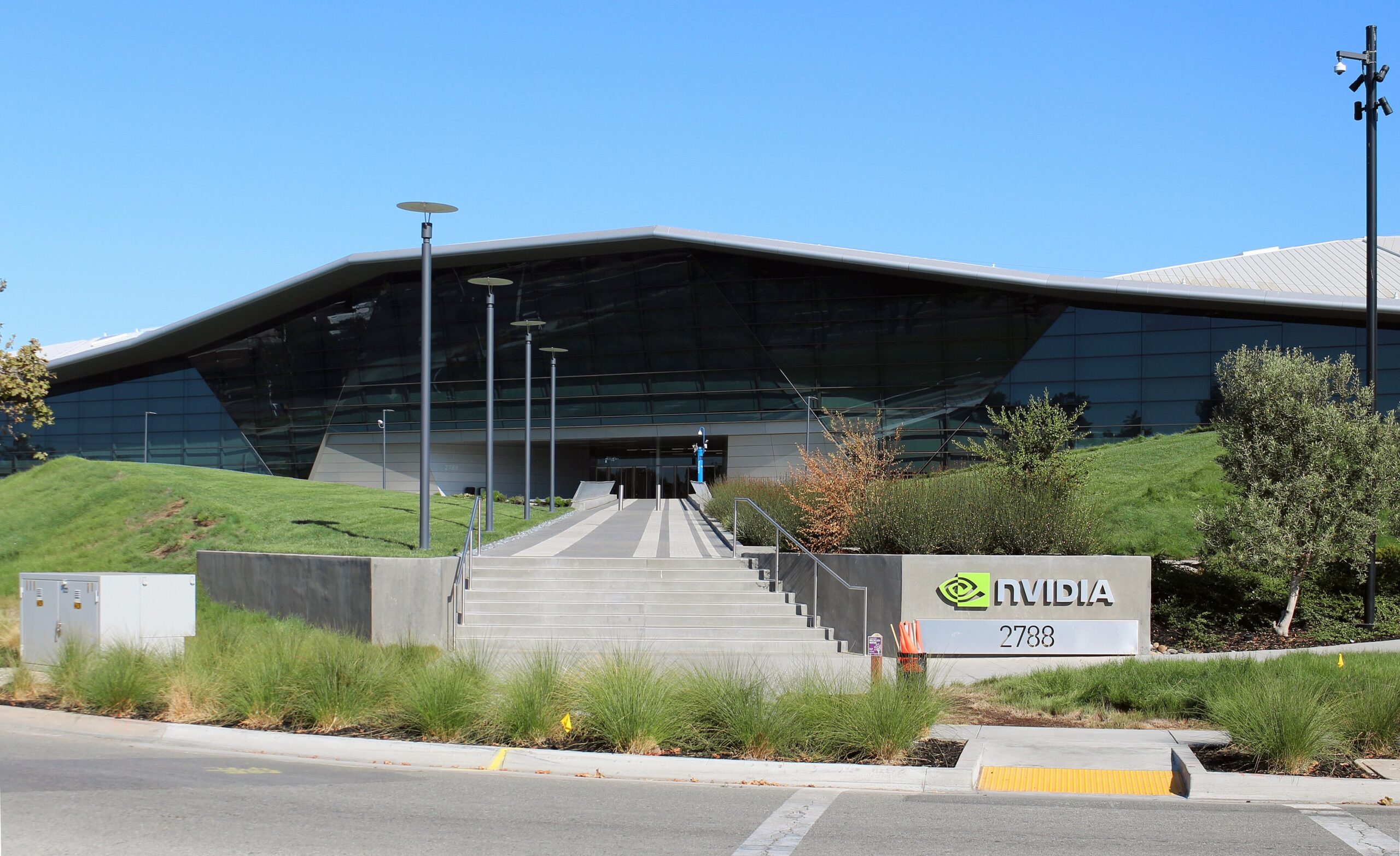
Image: Coolcaesar – CC BY-SA 4.0/Wikimedia Commons