Pennsylvania Regulators Cut National Fuel Gas’s Rate Hike to $10.4 Million, 47% Below What It Asked, and Low-Income Customers Get a One-Time $30 Credit
Households across northwest Pennsylvania that buy natural gas from National Fuel are heading into winter with a higher delivery rate on their bills, but a much smaller one than the company wanted. About 34,000 of the lowest-income customers are also in line for a $30 credit next month.
The Pennsylvania Public Utility Commission voted 4-1 on Oct. 22 to let National Fuel Gas Distribution Corp. raise about $10.448 million a year in added revenue, a 3.94% increase. That is roughly 47% less than the about $19.7 million, or 7.4%, the company first requested in February. The order also includes a one-time $30 credit for low-income customers and a surcredit on every customer’s bill for one year.
About $2.94 More a Month, or $1.09 With the Surcredit
National Fuel serves more than 213,000 customers in parts of 14 counties in northwest Pennsylvania, according to the commission. In a Nov. 9 announcement from Erie, the company said a typical residential customer using 80 ccf of gas a month will see the average bill rise about $2.94 a month, from $83.49 to $86.43, an increase of about 3.5%.
The surcredit cuts that further. National Fuel said that with the monthly surcredit running over the next 12 months, the average residential increase drops to about $1.09 a month, or about 1.3%. The surcredit returns money tied to retiree benefit reserves the company no longer needs, which National Fuel put at $7 million.
The commission’s order said customers would effectively see the rate increase phased in over two years because of that refund.
The delivery rate is only one piece of a gas bill. The other big piece, the charge for the gas itself, is not changing for now. National Fuel said its Pennsylvania gas supply charges stay the same for the quarter that began Nov. 1, and the next possible adjustment is Feb. 1, 2027. That means the change customers see on their bills this winter comes mainly from the new delivery rates and the surcredit, not from the price of gas, unless supply costs shift at the February review.
How the Request Shrank From $19.7 Million to $10.4 Million
National Fuel first asked for about $19.7 million and lowered its request to $16.189 million, about 6.1%, while the case was underway, the commission said. An administrative law judge, Katrina L. Dunderdale, recommended about $8.2 million. The commission modified her recommended decision and landed at $10,448,826, according to the commission’s opinion and order, measured against present-rate revenues of $265.5 million.
Vice Chair Kimberly Barrow dissented and filed a statement, the order shows. The company last filed for a gas distribution rate increase in October 2022.
The commission’s press release said new rates apply to service on and after Oct. 29. The case docket shows National Fuel filed its compliance tariff on Oct. 27 with an effective date of Nov. 1, and the commission’s secretary approved it on Nov. 9. National Fuel said customers began seeing the new rates on bills starting Nov. 9.
The $30 Credit Arrives on December Bills
The low-income credit goes to confirmed customers in National Fuel’s Customer Assistance Program at Level 1 and Level 2, about 34,000 accounts and more than 15% of residential customers, according to the commission’s order. The credits total about $1.025 million, and the company will distribute them during the December 2026 billing period.
The commission also ordered National Fuel to reach out to customers receiving the one-time credit to check whether they qualify for its universal service programs.
Other customer protections in the order include tracking the debt carried by assistance-program customers, a written plan to fully spend the company’s Low-Income Usage Reduction Program budget each year and open that program to mobile home residents, reporting on service terminations tied to health and safety conditions, a plan to raise contributions to the Neighbor for Neighbor Hardship Fund, and fee-free online payments for residential customers, with the company covering the cost.
Rebates for New Furnaces and Water Heaters
The order starts a five-year energy efficiency pilot this fall that offers residential rebates for high-efficiency furnaces, boilers and water heaters, along with Energy Star certified natural gas clothes dryers. National Fuel must report each year on the savings, participation, spending and cost-effectiveness of the program.
The commission turned down the company’s request to make its weather normalization adjustment permanent. That pilot program continues until National Fuel’s next base rate case, with a 5% deadband.
The case is not fully closed. The docket shows the consumer group CAUSE-PA filed a petition for reconsideration on Nov. 6, while the Office of Consumer Advocate and the Office of Small Business Advocate filed letters on Nov. 12 saying they would not file exceptions.
Help With Winter Bills in National Fuel’s Territory
National Fuel said Pennsylvania’s federal home energy assistance program, LIHEAP, opened Nov. 2 with grants of $200 to $1,000 while funds last, and a household of four can qualify with annual income up to $49,500. Customers who qualify for LIHEAP are also eligible for the company’s Customer Assistance Program, which offers lower monthly payments and possible forgiveness of past-due balances. According to the company’s CAP page, the program sets a bill at 4% or 6% of monthly income depending on household size and verified income, with a $12 minimum payment, and customers apply through their online account or at 1-800-365-3234. National Fuel lists its 24-hour gas emergency line as 1-800-444-3130.
Customers with complaints about a utility can call the commission’s hotline at 1-800-692-7380. Pennsylvania’s winter shutoff protections also begin soon; the site has covered the Dec. 1 to March 31 shutoff limits and the state’s LIHEAP crisis grants.
This article was produced with AI assistance and edited for accuracy against the sources linked above.
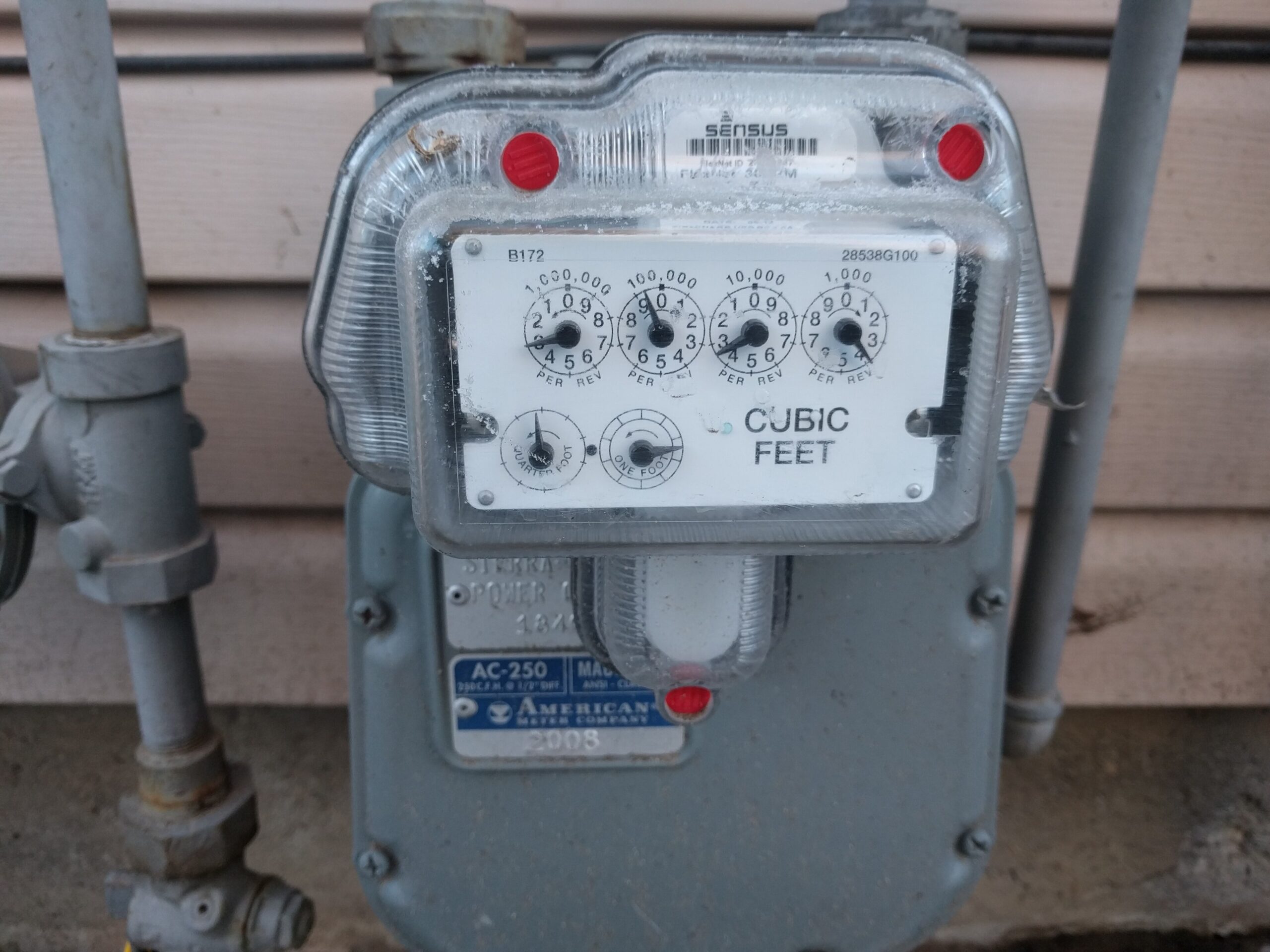
Image: Tim36272 – CC BY-SA 3.0/Wikimedia Commons