TJ Maxx’s Parent Company Got a $331 Million Tariff Refund and Set Aside $112 Million of It for Bonuses, ProPublica Found
For most of 2025, shoppers paid more for clothes, home goods and gadgets as tariffs worked their way onto price tags. When the Supreme Court struck those tariffs down, the money started flowing back, but to the companies that paid the import bills, not to the people at the register.
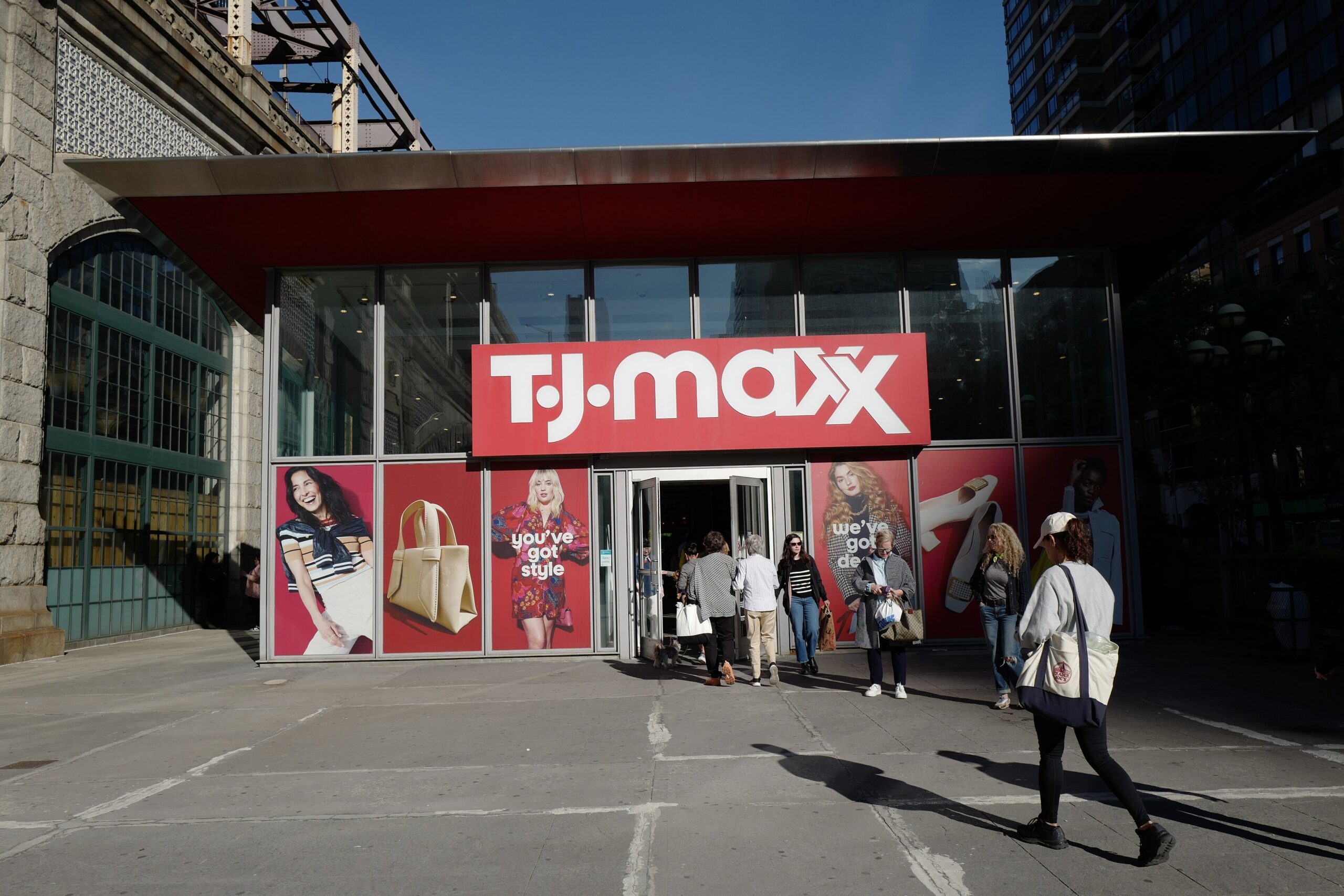
One of the biggest examples is TJX Companies, the parent of TJ Maxx, Marshalls and HomeGoods. According to an investigation by ProPublica, TJX received a $331 million tariff refund and earmarked $112 million of it for incentive compensation and discretionary bonuses.
What ProPublica Found
ProPublica published its investigation on Monday, Nov. 16, as reported by Forbes. Because public records requests were denied, the newsroom built its findings from securities filings and earnings call transcripts.
TJX’s figures came from the company’s own filings: a $331 million refund, with $112 million set aside for incentive pay and bonuses. TJX was not alone. ProPublica found that Acushnet, the parent of Titleist golf, received a $45 million refund and directed $12 million to bonuses, and that American Eagle put $18 million of a $196 million refund toward bonuses, according to a September SEC filing.
Stanley Black & Decker received a $298 million refund, though ProPublica did not say how much of that went to bonuses. Six other companies were reportedly doing the same thing but were not named, and dozens more haven’t said what they plan to do with the money.
Where the Refunds Came From
The money traces back to tariffs imposed under the International Emergency Economic Powers Act, known as IEEPA. The Supreme Court struck those tariffs down on Feb. 20, 2026, in a case brought by New York Attorney General Letitia James and 11 other states, according to the New York attorney general’s office. About $166 billion in IEEPA tariffs had been charged nationwide.
U.S. Customs and Border Protection pays refunds to the “importer of record,” the company that formally brought the goods into the country, and there are no restrictions on how that money is spent. By the end of July, the government had paid out more than $100 billion of the $166 billion owed, according to the Forbes report.
A tally of company filings by StockTitan lists tariff refunds booked by 91 U.S. companies in their latest quarter, showing how widely the money has spread across retail and manufacturing.
What Shoppers Have Gotten Back
So far, very little has gone directly to consumers. A group of senators wrote that the government had refunded more than $100 billion by August but sent zero dollars directly to consumers, according to SupplyChainBrain. The Tax Foundation estimated that tariffs cost the average household about $1,000 in 2025, about $700 of it from the tariffs the court struck down.
A few companies are paying customers back. FedEx, UPS and DHL have opened portals to reimburse customers who paid duties on shipments, and Amazon said in July it would automatically refund shoppers in cases where a specific import charge was passed on to them, though Forbes reported that Amazon hasn’t publicly confirmed those payouts began.
Others, including Walmart, Target, Costco, Burlington, e.l.f. Beauty and Tractor Supply, have pledged to use the money to lower prices rather than send refunds.
The Push for an FTC Investigation
On Nov. 11, eight senators led by Elizabeth Warren asked the Federal Trade Commission to investigate. In their letter to FTC Chairman Andrew Ferguson, they asked the agency to examine whether companies that raised prices because of the tariffs, then kept the refunds, engaged in unfair or deceptive practices, and to act against any corporation that is “ripping off consumers.”
The letter was signed by Warren, Richard Blumenthal, Sheldon Whitehouse, Elissa Slotkin, Tammy Baldwin, Cory Booker, Edward Markey and Mark Kelly. It mentions retailers including Target, Apple, Amazon, Nike, Walmart, Lowe’s and Wayfair, but does not list a refund amount for any of them.
Back in March, James and 17 other attorneys general asked Congress to require businesses that passed tariff costs to customers to pass the refunds along too. James said consumers “deserve a refund” and that “Congress must step in to get justice for consumers and businesses.”
Where That Leaves TJ Maxx Shoppers
There is no claim form for TJX’s refund and no requirement, under current law, that the company share it with customers. The only federal action pending is the senators’ request that the FTC investigate, and the agency has not said whether it will.
The ProPublica findings land just as the holiday shopping season starts, at the stores that built their business on discount prices. Whether any of the $331 million eventually reaches shoppers, through lower prices or otherwise, is now a question for regulators and the company’s own customers.
This article was produced with AI assistance and edited for accuracy against the sources linked above.
Image: Raman Shaunia – CC0/Wikimedia Commons