A USDA Proposal Would Cut 6.3 Million People From SNAP by 2029, and Public Comments Are Due Dec. 10
In seven years, the estimate has doubled. When the first Trump administration proposed narrowing a SNAP eligibility path in 2019, it projected that about 3.1 million people would lose food benefits. The version the U.S. Department of Agriculture published this week puts the number at 6.3 million.
The proposed rule, titled “Supplemental Nutrition Assistance Program: Reforming Categorical Eligibility,” was scheduled for Federal Register publication on Nov. 10 with a 30-day comment period, which runs through Dec. 10. It is a proposal, not a final rule, and nothing changes for SNAP households while it is under review.
What the Rule Would Change
The target is a policy called broad-based categorical eligibility, or BBCE. It lets states treat a household as eligible for SNAP if it receives a service funded by the federal Temporary Assistance for Needy Families program, such as child care or job training, without running a separate check of the household’s income and savings against SNAP’s federal limits.
According to the proposal, 46 states were using BBCE as of December 2025. Under the change, automatic SNAP eligibility through TANF would be limited to households that receive direct TANF cash assistance, ending eligibility based on non-cash TANF-funded benefits. Households that lost the automatic route would instead face SNAP’s standard federal income and asset tests.
The USDA argues that BBCE has drifted from what Congress intended when it allowed categorical eligibility to reduce paperwork for families already getting cash aid. The agency also points to a 2012 report by the Government Accountability Office.
The 6.3 Million Estimate, Broken Down
The USDA’s own regulatory analysis lays out the scale. In fiscal 2029, the first year the rule would be fully in effect, the agency estimates:
- About 3.2 million households would no longer qualify for SNAP
- Those households contain about 6.3 million people
- That equals 16.9% of participating households and 17.6% of participants
Federal SNAP benefit spending would fall by about $44.649 billion over fiscal years 2027 through 2031, according to the document, which describes the figure as a reduction in federal SNAP transfers.
The proposal also says more than 840,000 one- and two-person households received the SNAP minimum benefit in 2024 only because of BBCE. The minimum benefit was $23 a month in fiscal 2025. For those households, the smallest monthly SNAP payment is at stake.
What It Would Mean for School Meals
SNAP enrollment also opens other doors. Children in SNAP households are automatically certified for free school meals, so a cut to SNAP ripples into school cafeterias.
The USDA estimates about 1.78 million children would no longer be categorically eligible for free school meals under the rule. The agency says roughly 97% of them would still qualify for free or reduced-price meals through the income-based application, but their families would need to apply instead of being enrolled automatically.
A 2019 Version, a GAO Report and the Pushback
This is the second time the idea has come up. The 2019 proposal, “Revision of Categorical Eligibility in the Supplemental Nutrition Assistance Program,” estimated that about 3.1 million people in roughly 1.7 million households would lose benefits. The comment period was reopened in October 2019, and the proposal was formally withdrawn on June 10, 2021.
The 2012 GAO report the USDA cites, GAO-12-670, found that in fiscal 2010 about 2.6% of SNAP households, or 473,000, would not have qualified without BBCE because their incomes exceeded federal limits. GAO said those households were more likely to have a worker or to receive unemployment benefits, and that BBCE raised federal benefit costs by less than 1% that year. GAO also found that BBCE may be associated with more errors and recommended closer oversight.
The same GAO review put a dollar figure on the group. Households that would not otherwise have qualified received about $38 million a month in benefits in fiscal 2010, roughly $460 million for the year. Their benefits averaged $81 a month, compared with $293 for other SNAP households, according to GAO. GAO also flagged free school meal certifications in BBCE states for children whose households received no SNAP benefits.
Carol Gundlach, a senior policy analyst at Alabama Arise, told WSFA in Montgomery that the proposal is part of a broader effort to shrink SNAP eligibility. She warned that bringing back asset tests would add verification work and errors, and that fewer SNAP households would mean fewer children automatically eligible for free school meals. Gundlach said she expects the rule to be challenged in court.
The proposed rule, for its part, says the change would “preserve benefits for the truly needy.”
Comments Are Due Dec. 10
Anyone can comment on the proposal before the deadline. Comments can be filed online at Regulations.gov under docket FNA-2026-0661, by email to [email protected], or by mail to the SNAP Program Development Division, Food and Nutrition Administration, 5601 Sunnyside Ave., Beltsville, MD 20705. After the comment period, the USDA can revise, delay or finalize the rule.
The proposal lands as SNAP is already changing state by state. USDA’s fiscal 2027 tables set the maximum benefit for a family of four at $1,023 a month, while states have started limiting what SNAP cards can buy, among them Virginia’s soda restriction that began Nov. 1 and Ohio’s sugary-drink rule starting April 1, 2027.
This article was produced with AI assistance and edited for accuracy against the sources linked above.
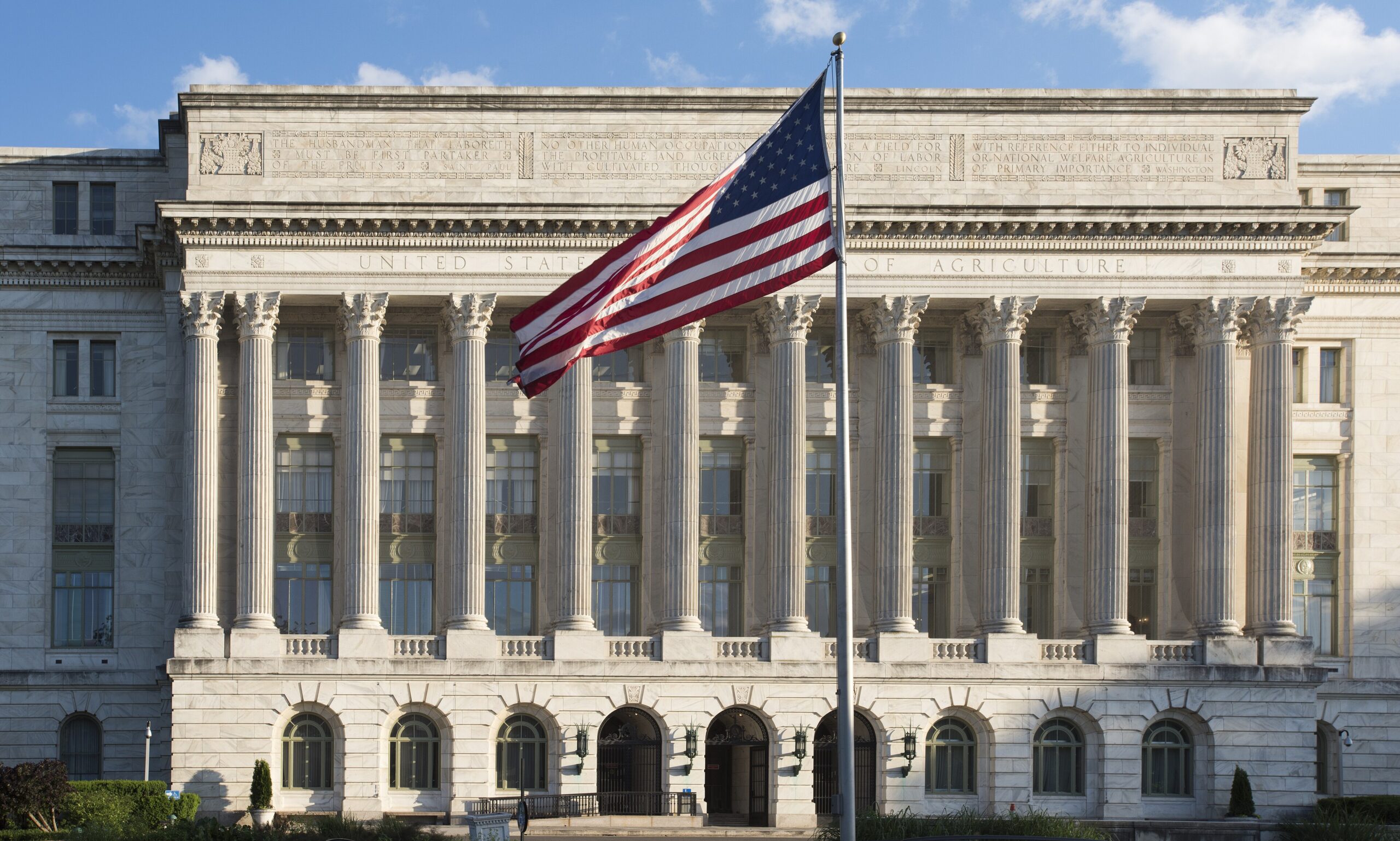
Image: U.S. Department of Agriculture – Public domain/Wikimedia Commons