California Votes Tuesday on a One-Time 5% Tax on Billionaires’ Wealth, and Two Estimates of What It Would Raise Are $70 Billion Apart
By Tuesday night, California voters will have decided whether the state’s richest residents owe a one-time tax equal to 5% of their wealth, and the two best-known estimates of what Proposition 40 would raise are $70 billion apart. The measure’s backers, including the health care union SEIU-UHW and U.S. Rep. Ro Khanna, say it would bring in about $100 billion, according to InvestmentNews.
Stanford-affiliated Hoover Institution economists Benjamin Jaros and Joshua Rauh put the figure at about $30 billion, and they argue that lost income tax from billionaires who leave would leave the state worse off by about $39 billion in today’s dollars, The San Francisco Standard reported. Election day is Tuesday, Nov. 3, and the state’s own analyst says the real number is hard to pin down.
What a Yes Vote Would Do
The California Secretary of State’s voter guide describes Proposition 40 as an initiative constitutional amendment and statute that imposes a one-time 5% tax on certain taxpayers with assets over $1 billion. The revenue goes primarily to health care, and it would be exempt from the constitutional school funding requirements and the state spending limit.
A yes vote means the state would collect the one-time tax. A no vote means it would not. The guide lists U.S. Sen. Bernie Sanders and SEIU United Healthcare Workers West as supporters. Opponents include the California Primary Care Association, the California School Boards Association and the California Taxpayers Association.
Supporters argue in the guide that federal health care cuts eliminated coverage for more than a million Californians and that billionaires should pay more. Opponents call it a flawed one-time tax that hurts the economy and the state budget, say it contains a loophole, and say it does nothing to lower health care costs.
The $100 Billion Case From the Measure’s Backers
The $100 billion figure comes from the measure’s backers, according to InvestmentNews. Khanna said the tax would raise about that amount, with 90% going to health care. SF Standard reported that an expert report from economists including Emmanuel Saez and David Gamage also puts revenue at $100 billion.
The campaign for the measure says on its website that the money would go toward restoring federal funds lost to cuts for hospitals, clinics, nursing homes and home care, preventing teacher layoffs and keeping food assistance programs running. The site says about 200 Californians have a net worth above $1 billion. It does not state a revenue figure.
Economists who back the estimate argue that residency rules limit the incentive to leave. SF Standard reported that Gabriel Zucman, a University of California, Berkeley economist, argues that because eligibility is tied to living in California on Jan. 1, 2026, billionaires gain nothing by moving now.
The $30 Billion Case From Stanford and Hoover Economists
Jaros and Rauh estimate that the tax would raise about $30 billion up front, within a range of $28 billion to $36 billion, according to SF Standard. They say the lost income tax revenue as billionaires leave would more than offset that, for an average net loss of about $39 billion. The InvestmentNews report quotes the pair as writing that their findings “suggest that the Billionaire Tax Act will not fulfill the primary functions for which it was designed.”
An earlier Hoover paper, summarized in a March 16 Hoover news article, put the wealth tax revenue at about $40 billion and the net cost to the state at about $25 billion once future lost income tax was counted. The updated paper replaced that approach with estimates of how likely parts of the tax are to be struck down in court. In that model, SF Standard reported, realized revenue could range from $0 to $72 billion.
Straight Arrow News, a news outlet, reported that 85% of the 100,000 scenarios the Hoover team modeled showed a negative effect on state revenue. Sponsors’ representatives dismissed the study. SEIU-UHW vice president Debru Carthan said the measure is about making billionaires pay their fair share, InvestmentNews reported.
Why the Two Estimates Land $70 Billion Apart
The gap comes down to a few judgment calls rather than arithmetic. SF Standard reported that the Hoover model assumes that, of the roughly $59 billion left after departures, the state collects half. It also treats billionaires who leave as a permanent loss of income tax revenue, a point critics say treats a one-time tax as if it were permanent. Jaros partly conceded the point, saying the tax “kind of does” work that way, and defended the approach.
Gamage and two co-authors, a University of Missouri tax law professor and colleagues, wrote a paper rebutting the Hoover analysis, according to Straight Arrow News. They argue that California has broad legal authority to impose the tax and that predicted departures may be overstated. Jaros called the $100 billion figure “magic money” and said the measure should be “scored as written,” SF Standard reported.
The Hoover Institution’s own Proposition 40 page adds more points of contention. It says at least six billionaires left California before the Jan. 1, 2026, residency date, removing roughly $536 billion from the tax base, and that revenue would be exhausted by 2029 while about two-thirds of federal Medi-Cal reductions fall after 2030. Those are Hoover’s claims, and the sponsors dispute the model behind them.
What the State’s Analyst Says Before Voters Decide
The Legislative Analyst’s Office, the state’s nonpartisan fiscal adviser, does not pick either number. Its analysis of Proposition 40 says the state “probably would collect tens of billions of dollars” from the wealth tax, spread over several years, and that timing and amounts are “very hard to predict” because of unknown taxpayer responses and wealth tied to changing stock prices.
The analysis says people who were California residents on Jan. 1, 2026, with a net worth over $1 billion would owe 5% of their net worth, and that California is home to “a few hundred people” at that level. Real estate, pensions and retirement accounts are generally excluded. The tax would be due in 2027, with the option to spread payments over five years at a higher cost.
On where the money goes, the LAO says 90% must go to public health care services, with the rest for education, food assistance and administering the tax. It also estimates that billionaires reducing their income tax payments, for example by leaving, would cut state revenue by less than $1 billion a year.
The ballot question is also part of a wider argument about how the wealthiest are taxed, which The Tonic Edit has covered in its look at IRS data on tax rates paid by billionaires.
For California households, the practical question on the ballot is narrower than the dueling headlines suggest. A yes vote means a one-time tax whose size is unknown, probably in the tens of billions according to the LAO, going mostly toward public health care. A no vote means no tax. Which estimate proves closer will not be known until the payments come due in 2027.
Get stories like this by email. Sign up for The Parent Diaries Letter.
This article was produced with AI assistance and edited for accuracy against the sources linked above.
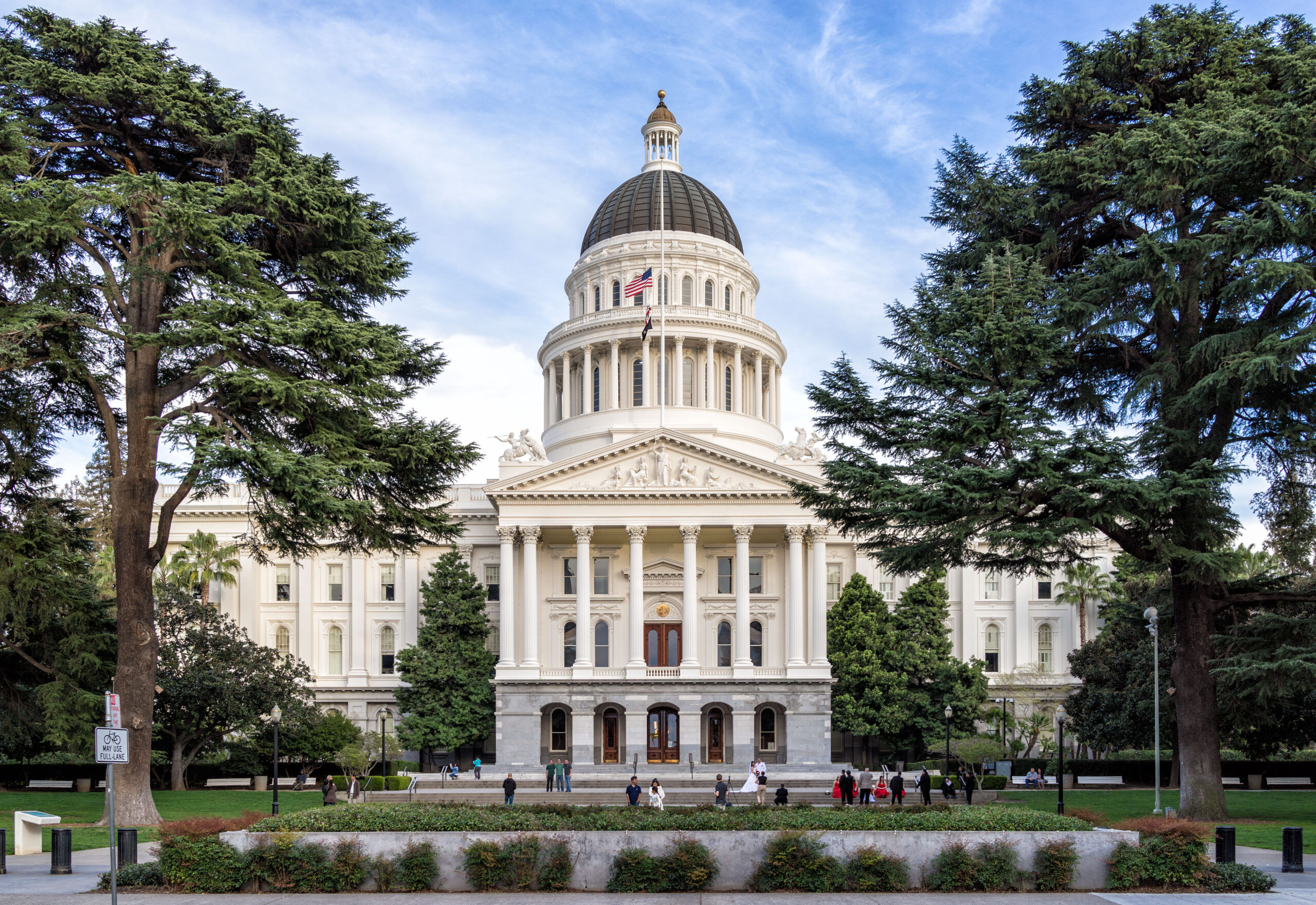
Image: Andre m – CC BY-SA 3.0/Wikimedia Commons