Virginia’s Two-Year SNAP Soda Restriction Began Nov. 1 and Covers Diet and Zero-Sugar Sodas but Not Sweet Tea, Juice or Sports Drinks
A Virginia SNAP shopper who put a 12-pack of diet cola on the checkout belt on Nov. 1 or later found that the item could no longer be paid for with an EBT card. The same cart could still hold a gallon of sweet tea, a bottle of orange juice and a case of sports drinks, all bought with benefits. The line the state drew is narrower than “sugary drinks,” and it runs through the middle of the beverage aisle.
The Virginia Department of Social Services says that beginning Nov. 1, 2026, sweetened carbonated beverages are no longer eligible for purchase with SNAP benefits. The department says the benefit amount and other foods are not affected.
What is off the list
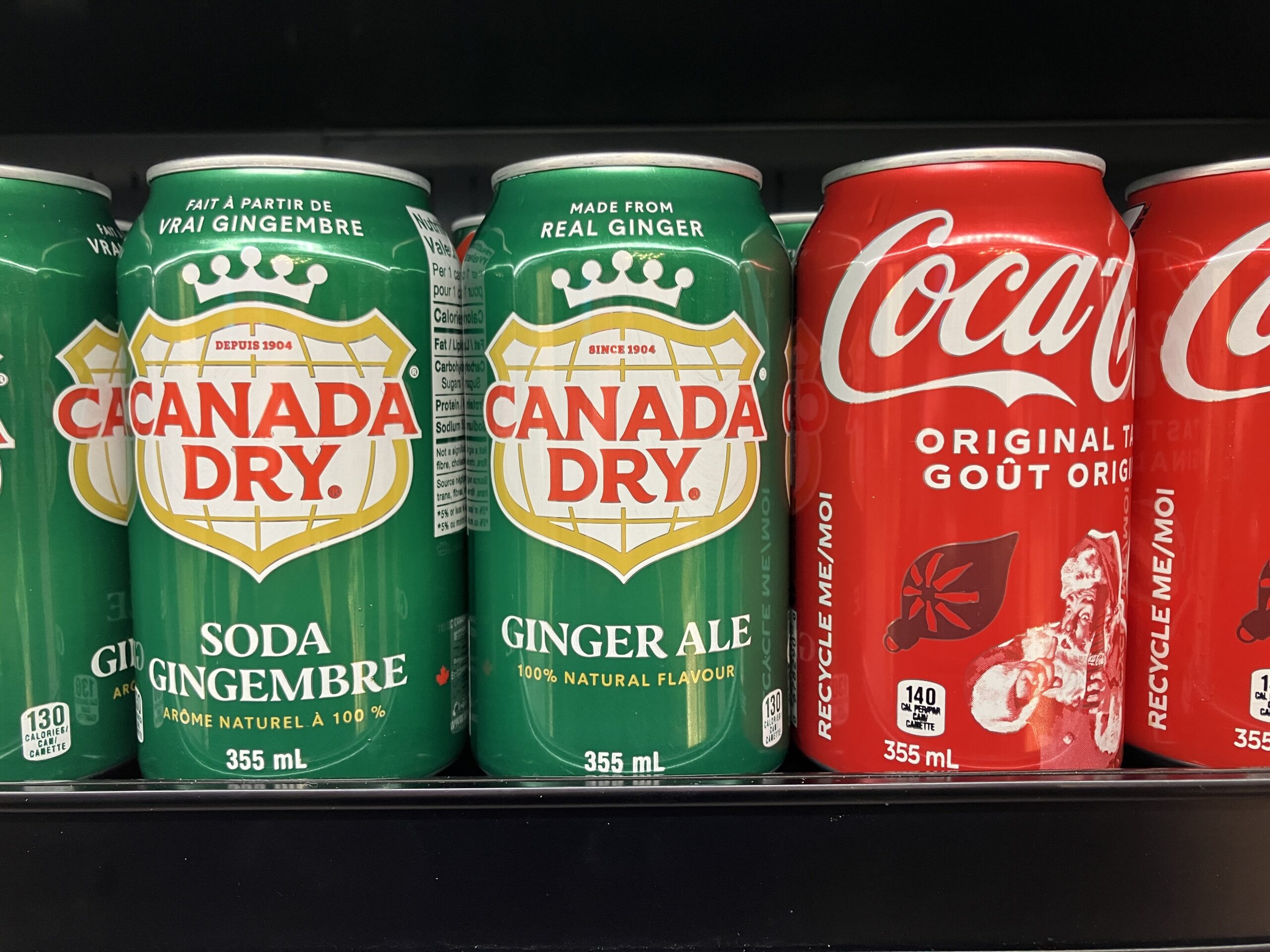
The details come from the waiver the U.S. Department of Agriculture granted the state. Under the waiver document, the restricted category is carbonated beverages flavored or sweetened with added sugar or artificial sweeteners. It names soda, diet and zero soda, pop, soft drinks and energy drinks.
The department’s own eligibility flowchart marks sodas, diet sodas, zero sodas and carbonated energy drinks as not eligible. It says drinks with less than 5 grams of added sugar per serving stay eligible. The chart does not explain how that threshold applies to diet sodas, which contain no added sugar, so the safest reading for shoppers is the one in the waiver and in local reporting: diet and zero-sugar sodas are on the restricted side.
What still goes through
The waiver lists the exclusions. Milk, milk products and milk substitutes such as soy or rice milk are allowed. So are mineral water sold in containers, plain or naturally flavored carbonated water, and non-carbonated drinks, even sweetened ones, such as iced tea, lemonade and juice. Chocolate milk, almond milk and yogurt drinks stay eligible. So do medically necessary products such as infant formula and meal replacement shakes. The waiver also lists sugar-free and regular electrolyte or isotonic sports drinks as outside the restriction.
WDBJ in Roanoke reported that the department said there are no medical exceptions, and that shoppers can still buy soda with a non-SNAP payment method. The station also reported that sweet tea, fruit juice, lemonade and sports drinks remain eligible.
The two-year clock
The state asked for the waiver on Nov. 4, 2025, and Agriculture Secretary Brooke Rollins approved it on Dec. 10, 2025, according to the USDA waiver page. The approval runs two years from April 1, 2026, which means March 31, 2028. The restriction itself began Nov. 1, so it will be in force for less than the full two-year approval.
The waiver document allows up to three one-year extensions, for a maximum of five years. A request has to be submitted by Sept. 30, 2027, with a summary of progress and data. The state and USDA’s Food and Nutrition Service must agree on evaluation measures first, and the agency can withdraw approval if the project conflicts with SNAP goals. USDA says it is “committed to carefully and comprehensively evaluating” how the waiver affects participants and retailers.
Why the line falls where it does
Gretchen Syverud, a senior policy advisor to the department, told WDBJ that research links soda to long-term health problems and that the change is “especially critical for children.” She said children make up more than 40 percent of Virginia’s SNAP participants. She also said the state wanted to preserve access to as many nutritious food and beverages as possible.
Dr. Sarah Misyak, a Virginia Tech human nutrition researcher who directs Virginia Cooperative Extension’s family nutrition program, said the initiative needs evaluating because shoppers could switch to other sugary drinks. She questioned why the line targets carbonated and non-nutritively sweetened drinks but not other sugar-sweetened beverages, according to the WDBJ report.
WDBJ reported that Virginia became one of 18 states with SNAP beverage restrictions. The department said it plans to research outcomes during and after the pilot.
How other states compare
Virginia’s rule is one of the narrower versions. Other states have written wider lists or later start dates. This site has covered South Carolina’s Nov. 1 change, which also reaches candy and energy drinks, and Wyoming’s soda restriction set for Feb. 1, 2027 under a two-year USDA waiver. Ohio’s version, due April 1, 2027, includes sugar-sweetened drinks and fountain drinks.
For a family that crosses a state line to shop, the practical point is that each state’s list is different. A drink that is allowed on a Virginia receipt may not be allowed on a card issued in another state with a stricter waiver.
What changes at the register
For a household, the monthly benefit stays the same. What changes is where the money for one category of drink has to come from. A family that buys soda every week now covers that part of the grocery bill with cash or a bank card, and the SNAP balance goes to everything else.
Shoppers who are unsure about a specific product can check the department’s flowchart before buying. Because the restriction rests on the drink being carbonated and sweetened, a bottle of juice or a jug of tea will not be affected, and unsweetened sparkling water is not on the restricted list either.
This article was produced with AI assistance and edited for accuracy against the sources linked above.
Image: Estabiano – CC0/Wikimedia Commons