South Carolina SNAP Cards Stopped Covering Candy, Soda and Energy Drinks on Nov. 1, Though Diet Sodas Are Still Allowed
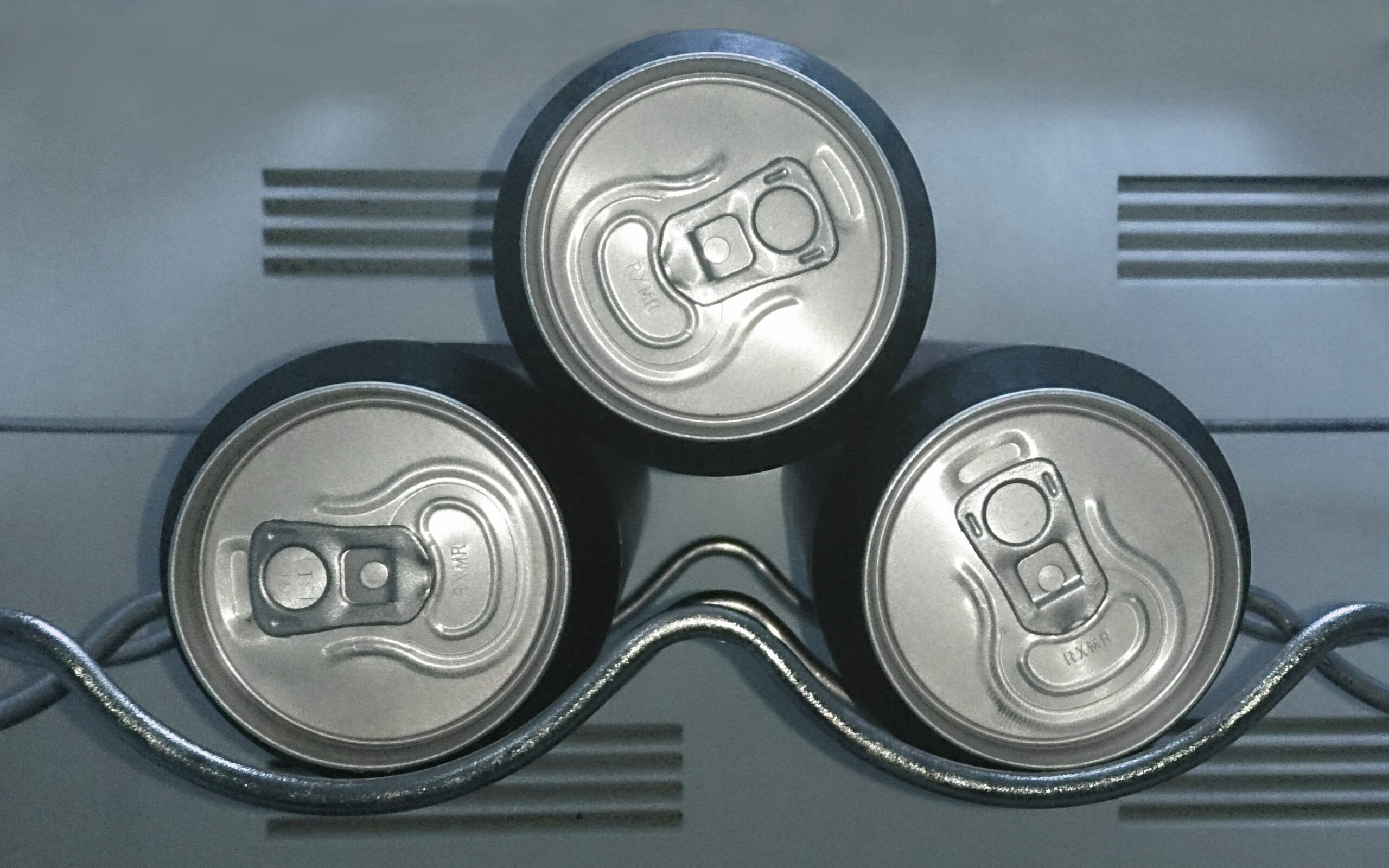
Healthy Food SC, the South Carolina Department of Social Services’ new limit on what SNAP benefits can buy, went live at authorized retailers on Nov. 1, four days after the agency announced the project publicly. The restrictions cover candy, energy drinks, soft drinks and sweetened beverages, and diet and zero-sugar sodas are still allowed.
The DSS household page says all South Carolina SNAP households take part. Eligibility and benefit amounts do not change.
The Launch After a Postponed Start
DSS announced the project on Wednesday, Oct. 28, according to ABC News 4, which described it as a two-year initiative aimed at encouraging healthier food choices. The restrictions begin Nov. 1 at every SNAP-approved retailer in the state.
The path took more than a year. DSS’s project page says Governor Henry McMaster announced his intent to seek the waiver in August 2025, and a September 2025 executive order directed the agency to submit it. USDA postponed the start, and the revised date is Nov. 1, 2026.
A federal waiver is what gives the state the power to narrow the list of eligible foods. USDA’s approval notice says the department approved the initial request on Dec. 10, 2025, after receiving 47 comments, most of them opposed, none of which it judged significant. The state originally proposed Aug. 31, 2026 as the start and revised it to Nov. 1 in consultation with USDA. The notice adds that SNAP benefits are supplemental and do not prevent participants from buying excluded items with other money.
Laid end to end, the dates run from the governor’s August 2025 announcement, to the September executive order, to USDA’s December approval, to the state’s July 23, 2026 request to adjust its soft drink definition, to the Oct. 28 public launch and the Nov. 1 start.
Four Categories That Now Stop at the Register
The household page defines each category narrowly:
- Candy: sugar, honey or other sweetened candy in bars, drops or pieces.
- Energy drinks: drinks with at least 65 milligrams of caffeine per 8 fluid ounces that are marketed to boost energy; coffee and tea are excluded.
- Soft drinks: carbonated drinks with more than 5 grams of sugar or other sweeteners.
- Sweetened beverages: ready-to-drink beverages with added sugar or sweeteners.
USDA’s notice names the same four, “candy, energy drinks, soft drinks, and sweetened beverages,” and says the state asked on July 23, 2026 to amend its definition of soft drink further.
Why Diet and Zero-Sugar Sodas Still Pass
The soft drink category turns on sugar and sweeteners, which is why DSS says diet and zero-sugar soft drinks remain allowed. The same logic exempts plain carbonated water.
Other drinks DSS excludes from the sweetened-beverage category include milk-based drinks, juice drinks that are 50% or more juice without added caloric sweetener, infant formula, sports and rehydration drinks, and medical beverages. The candy category leaves out protein and granola bars, baking ingredients such as chocolate chips and sprinkles, and bakery products such as cookies, cakes and bread.
Fruits, vegetables, grains, meat, dairy and other staple foods are unaffected, DSS says. Items that were already ineligible stay ineligible, and WIC, which the state Department of Public Health runs, is not touched.
The agency’s list of allowed items is the part most likely to matter in a cart: a shopper with a cookie, a juice drink and a can of diet soda in the basket faces no restriction on any of the three, under the definitions DSS has posted, while a candy bar or a regular cola in the same basket is blocked.
At the Register, Restricted Items Need Another Way to Pay
Retailers are updating their point-of-sale systems. According to DSS, if a restricted item is in the cart, the system asks the shopper to pay for that item some other way. The rest of the order still goes through on the EBT card.
The restrictions apply to all SNAP purchases made in South Carolina, including those by out-of-state recipients. South Carolina cardholders who shop in other states follow those states’ rules.
Benefits Unchanged, and Where Households Can Ask
DSS says households should use SNAP only for eligible items and pay for restricted ones another way. The agency says it will post updates on its website, the SCCES portal, by text message, on social media and in press releases, and in local county offices.
The DSS project page says updates will be posted as they are announced, and it points households and retailers to separate SNAP Households Information and SNAP Retailer Information pages. It also links the USDA directive that postponed the start date.
Product-level questions have a limit. The agency’s household page says DSS will not say whether a specific product is restricted, but links to a document describing the general categories. Questions go through the Healthy Food SC inquiry form on the DSS site. The page also links to the USDA retailer locator and USDA’s list of eligible foods.
USDA’s waivers page lists South Carolina with a target implementation date of Nov. 1, 2026, and says USDA will review the project’s results using the state’s evaluation data. ABC News 4 reports the project is set to run two years, which puts the first full look at results well into 2028.
Get stories like this by email. Sign up for The Parent Diaries Letter.
This article was produced with AI assistance and edited for accuracy against the sources linked above.
Image: FutUndBeidl – CC BY 2.0/Wikimedia Commons