Montana SNAP Shoppers Can No Longer Buy Drinks With More Than 10 Grams of Sugar per 8 Ounces, Along With Candy and Energy Drinks, as of Nov. 1
A Montana shopper who sets a 20-ounce bottle of regular soda, a bag of candy and a can of energy drink on the belt, and pays with an EBT card, will find the register declining all three. Since Nov. 1, none of them count as food under Montana’s SNAP rules, according to the Department of Public Health and Human Services (DPHHS).
The state’s line for drinks is more than 10 grams of sugar per 8 fluid ounces. Benefit amounts and eligibility do not change, and the restriction applies to every SNAP household and authorized retailer in the state.
What the Register Now Declines, and Where the 10-Gram Line Falls
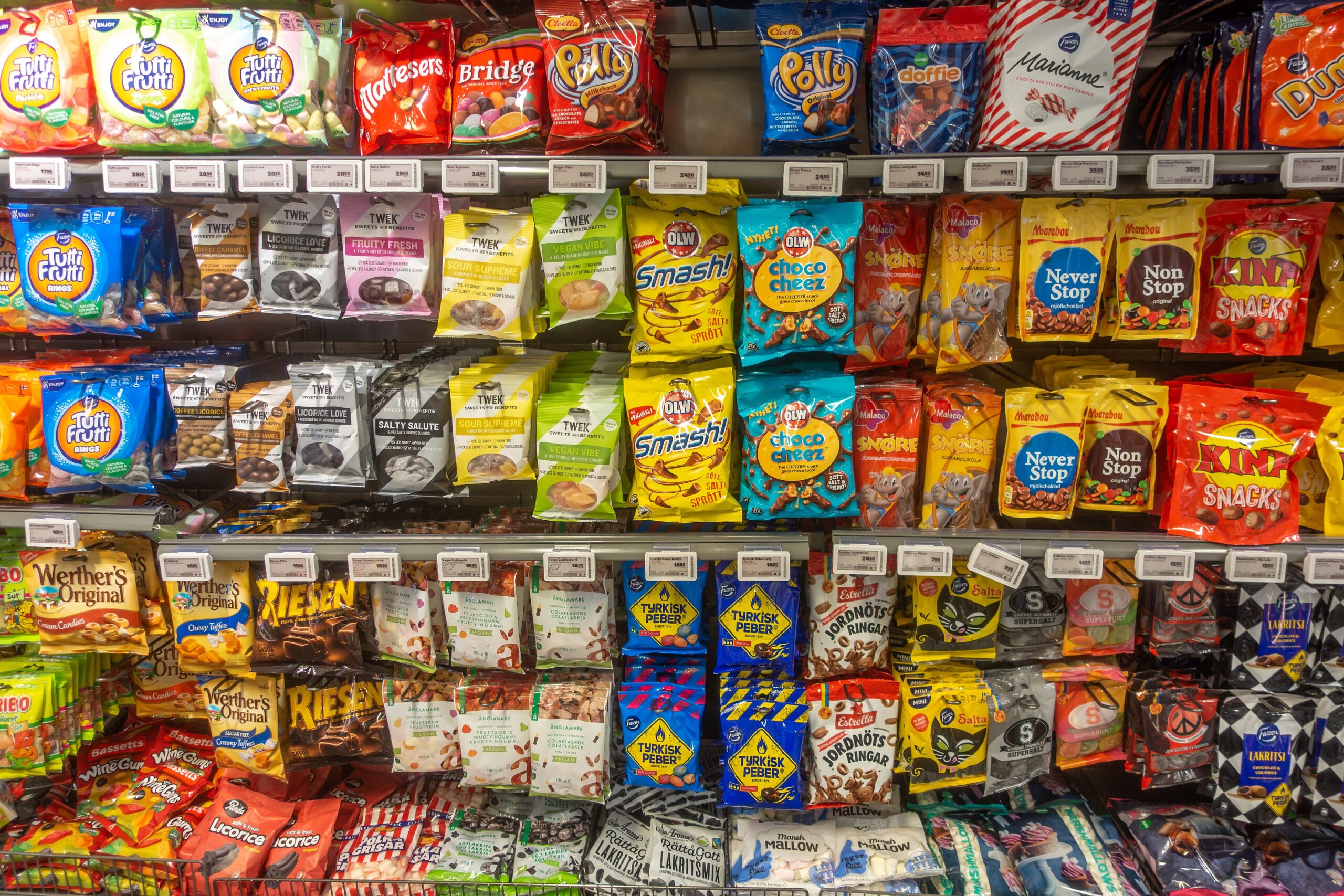
DPHHS lists four restricted groups: candy, high-sugar beverages, energy drinks and shelf-stable prepared desserts such as packaged snack cakes. The page applies to purchases in stores and online at any SNAP-authorized retailer.
The sugar test is a simple ratio. A beverage is restricted if it has more than 10 grams of total sugar per 8 fluid ounces, so a drink at exactly 10.0 grams still passes. For larger containers, DPHHS says retailers divide the grams of sugar by the serving’s fluid ounces and multiply by 8. A 20-ounce bottle holding 40 grams, for example, works out to 16 grams per 8 ounces, which is over the line.
The 10-gram figure appears in Montana’s own announcement of the federal approval. Governor Greg Gianforte’s office and a DPHHS news release both dated May 19, 2026, describe beverages with more than 10 grams of sugar per 8 ounces among the restricted items.
Energy drinks sit in their own category. Coffee, tea and drinks substantially based on them are excluded from that category, DPHHS says, though they can still be blocked if they cross the sugar line. A sweetened iced coffee with more than 10 grams per 8 ounces, in other words, is judged as a high-sugar beverage rather than an energy drink.
The Federal Waiver Behind the Change, Delayed to Nov. 1 and Not Yet Reaching Every State
SNAP is a federal program, and states cannot change what it buys on their own. A state asks the U.S. Department of Agriculture for a waiver, a demonstration project that rewrites the program’s definition of food in that state. USDA’s food restriction waivers page says the approvals give states “greater flexibility to manage their programs” and are aimed at “non-nutritious items like soda and candy.”
Gianforte submitted Montana’s request in March. USDA Secretary Brooke Rollins signed it, and the state announced the approval on May 19, with the governor saying Montana “is proud to join 22 other states to ensure taxpayer dollars provide nutritious options.” He called the move a bold step to “Make America Healthy Again.” Rollins said that “bringing SNAP back to its core principle of nutrition is common sense.”
The start date moved. USDA’s notice of approval says the state originally proposed Sept. 30, 2026, then revised the date to Nov. 1 in consultation with USDA. DPHHS says the implementation date “has been delayed to Nov. 1, 2026.”
The federal list now counts 23 approved states, but not all of them can proceed. The same USDA page notes that Colorado, Iowa, Tennessee and West Virginia are covered by a June 22, 2026 court order in Aragon et al. v. Rollins et al., which vacated the agency’s approval for those four states and says their implementation may not proceed. Montana is not among them, and USDA lists Nov. 1, 2026 as its target date.
The notice says the state will provide evaluation data and USDA will review the project’s results.
What Stays Allowed and What Stays the Same
Much of what is sold near the restricted items remains eligible. DPHHS lists these exclusions:
- Candy: baking ingredients, fruit snacks made with real fruit and no added sugar, granola, trail mix that is substantially nut or fruit based, protein bars, meal replacement bars, and sugar-free gum.
- Beverages: plain or naturally flavored water, artificially sweetened drinks, drinks that are more than 50% fruit or vegetable juice by volume, milk and milk substitutes, meal replacement beverages, and medical-grade electrolyte drinks.
- Desserts: store-made bakery items.
The governor’s announcement also names protein bars and fresh baked goods as protected, along with milk, 100 percent fruit juice and medical electrolytes.
The waiver does not change who qualifies for SNAP or what a household receives. A household with $300 in monthly benefits still has $300; it simply cannot spend any of it on the restricted items.
Retailers have about 90 days to finish implementation, according to DPHHS, so shoppers may meet different checkout behavior from store to store in the first weeks. The department says submitting a compliance attestation is not required but helps the state. Product questions go to [email protected].
The rule covers purchases at every SNAP-authorized retailer in the state, including those that accept SNAP online, so a grocery pickup order is screened the same way as a trip down a store aisle. DPHHS describes the program on its page as the Healthy SNAP Food Restriction Demonstration Waiver.
DPHHS Director Charlie Brereton said in the May release that the waiver is a critical step in addressing the growing concern about diet-related chronic conditions in Montana.
Get stories like this by email. Sign up for The Parent Diaries Letter.
This article was produced with AI assistance and edited for accuracy against the sources linked above.
Image: Frankie Fouganthin – CC BY-SA 4.0/Wikimedia Commons