SNAP’s Maximum Benefit for a Family of Four Is $1,023 a Month Through Next September Under USDA’s New Fiscal 2027 Tables
USDA’s Food and Nutrition Administration tables for fiscal 2027 set the maximum SNAP benefit for a family of four at $1,023 a month in the 48 states and Washington, D.C., good from Oct. 1, 2026 through Sept. 30, 2027. A household of four with no countable income receives the full amount, and one with a paycheck receives less, so the figure marks the top of the scale.
The numbers come from an Aug. 21, 2026 memo to state agencies signed for Acting Associate Administrator Ronald Ward. They replace the fiscal 2026 amounts, which topped out at $994 for four people.
What the Fiscal 2027 Table Pays, From One Person to Eight
For one person, the maximum is $306 a month, up from $298, according to Newsweek’s comparison of the old and new tables. The memo lists $562 for two people, $808 for three, $1,217 for five, $1,463 for six, $1,616 for seven and $1,841 for eight. Each person beyond eight, up to 17, adds $225, and the cap for households of 18 or more is $3,887.
The minimum benefit for one- and two-person households rises from $24 to $25. Hawaii moves the other way: its four-person maximum falls from $1,689 to $1,655, the same report says, while Alaska’s four-person maximums run from $1,306 in urban areas to $2,027 in the most remote rural zone, per USDA’s published standards page.
The $29 increase for a family of four is the difference between $994 and $1,023. Newsweek reports that the maximum is tied to USDA’s Thrifty Food Plan, which prices a low-cost market basket each June, so the raise tracks grocery costs rather than a fixed percentage.
State agencies pass the tables along to caseworkers, as in the Alaska Department of Health’s own fiscal 2027 memo. News4JAX reported the same family-of-four figure when the amounts took effect on Oct. 1.
Income limits scale up with household size on the same table. A single person can have gross income of up to $1,729 a month, the News4JAX report notes, while the limit for eight people is $6,037, and each additional member adds $616. The fiscal 2027 figures took effect Oct. 1 and run through Sept. 30, 2027.
Why $1,023 Is a Ceiling, Not the Typical Check
The maximum is paid only to households with no net income. Newsweek explains that the program assumes families spend about 30% of their own resources on food, so roughly 30% of net monthly income is subtracted from the maximum. By that formula, a four-person household with $1,000 in net monthly income would see about $300 come off the $1,023, which leaves about $723.
Actual checks run far below the top figure. In May 2026 the average recipient received $187.48 and the average household $344.51, according to the same report.
The memo also resets the income tests. For a four-person household in the 48 states, the gross monthly limit at 130% of the poverty line is $3,575, and the net limit at 100% is $2,750. Households with an elderly or disabled member can go up to $4,538 in gross income at 165% of poverty when that member is counted separately. The standard deduction for four people is $229, the cap on the excess shelter deduction is $769, and the asset limits are $3,000 for most households and $4,750 when someone is 60 or older or disabled. Households required to report changes must still tell their state agency when monthly income rises by $150 or more, a threshold that did not change, News4JAX noted.
Work Rules and Shrinking Rolls Behind the Fiscal 2027 Numbers
The new tables arrive after a sharp drop in enrollment. Grocery Dive, citing USDA data, reported that participation in April 2026 fell nearly 13% from a year earlier to just over 37 million people, with every state but Alaska seeing a decline. The trade outlet ties the drop to stricter work requirements in the One Big Beautiful Bill Act, signed in 2025, which the Congressional Budget Office expects to cut participation by roughly 2.4 million people in an average month over about the next decade.
Grocery Dive also reports that the law shifts more program costs to states, including a larger share of administrative costs beginning in fiscal 2027. The rule changes are rolling out state by state; two recent examples on this site are the disqualifications in Washington, D.C. and the work-hour reporting rules in Maryland.
Caseloads have moved unevenly from state to state. Grocery Dive found Arizona’s participant count fell by more than half in a year, while Alaska was the only state to grow, up just over 8%.
A Stopgap Keeps Federal Funding in Place Through Dec. 11
The tables set how much a household can receive, not whether Congress has paid for the program on a given day. The fiscal 2026 shutdown began Oct. 1, 2025 and ended Nov. 12, 2025, according to Wikipedia’s account of the 2026 federal budget.
This year Congress acted ahead of the Sept. 30 deadline. A continuing resolution funding the government at fiscal 2026 levels through Dec. 11 cleared the House 370-48 on Sept. 1 after a 90-6 Senate vote in August, the community-college trade group ACCT reported. The loan-industry association NAGGL said the president signed it, as the Continuing Appropriations and Extensions Act, 2027, on the evening before its Sept. 3 post.
The stopgap expires Dec. 11, so the funding question returns within weeks. What happens to benefits if that date passes without a deal is covered in a separate explainer on the funding deadline.
This article was produced with AI assistance and edited for accuracy against the sources linked above.
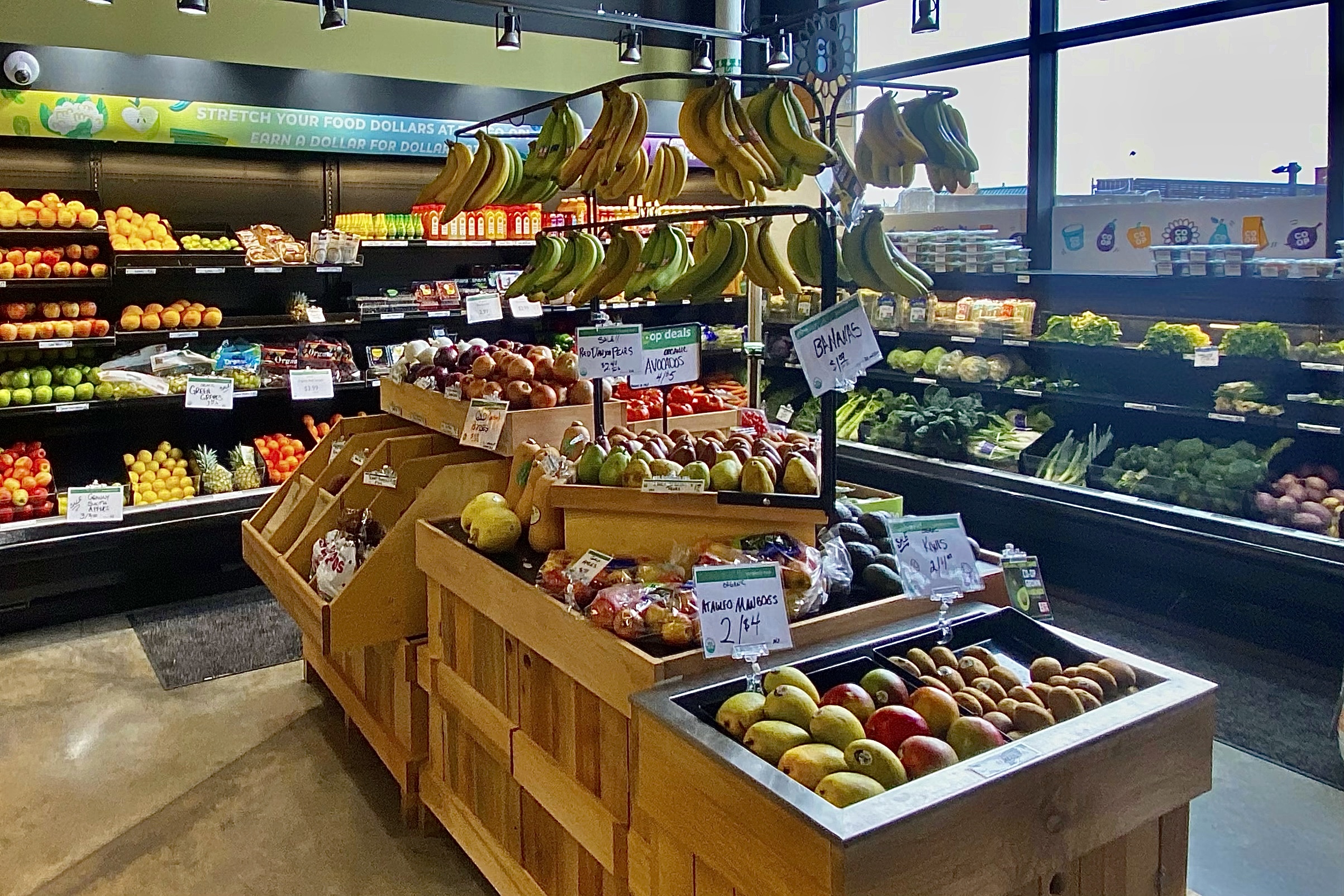
Image: Andre Carrotflower – CC BY-SA 4.0/Wikimedia Commons