Pennsylvania’s LIHEAP Crisis Grants Open Nov. 2 for Broken Furnaces, Fuel Below a 15-Day Supply and Shutoff Threats, Usually Within 10 Business Days
A furnace that quits, an oil tank with less than 15 days of fuel left, a notice that the gas will be cut off: in Pennsylvania, each of those counts as a heating crisis, and state help for them opens Monday, Nov. 2. Eligible households generally receive crisis benefits within 10 business days, and faster when a situation is life-threatening.
The crisis grants run alongside the state’s regular LIHEAP cash grants, which pay $200 to $1,000 toward a household’s heating bill. Both open the same day and close in the spring.
What counts as a heating crisis
The Pennsylvania Department of Human Services’ LIHEAP page lists four situations that qualify for a crisis grant:
- Broken heating equipment or leaking lines that need repair or replacement.
- Running out of fuel, or having less than a 15-day supply.
- A main or secondary heating source that has been shut off.
- Danger of having utility service terminated.
The department’s FY 2027 LIHEAP state plan puts the standard more formally: a household must be without heat, or in imminent danger of being without heat, because of a weather-related or energy-supply emergency. A past-due bill alone is not a crisis unless it would lead to a shutoff, and termination notices are accepted as proof of a crisis starting Feb. 1, 2027.
Help with a heating crisis is available 24 hours a day. In most counties, the first call goes to the County Assistance Office.
Do families need the cash grant first?
Not under the state plan. The plan says households “may apply for and, if eligible, receive regular Crisis benefits regardless of whether they apply for or receive a LIHEAP Cash benefit.”
What the department does require is a LIHEAP application on file. Its consumer page says a household that has not received a standard LIHEAP benefit this season must apply to the program to be considered, while a household that already got a 2026-2027 benefit should contact its County Assistance Office to report the emergency. The Philadelphia Inquirer described the same process on Oct. 25, advising households to start with the standard application.
Applications are taken online through the state’s COMPASS portal or by phone. The department’s LIHEAP hotline is 1-866-857-7095, Monday through Friday, and hearing-impaired callers can dial 711.
How much crisis money there is
Crisis grants range from $25 to $1,000, according to the state plan. Cash grants range from $200 to $1,000 depending on household size, income and fuel type, and the department says they are sent directly to the utility or fuel company and do not have to be repaid.
The plan estimates roughly $238 million for the program this year, including about $14 million carried over from last year. After money is moved to weatherization and administrative costs, about $182 million is left for benefits. Of that, $113.6 million is set aside for cash grants to an estimated 393,356 households, and crisis grants are expected to reach about 100,424 households.
Income limits are set at 150% of the federal poverty guidelines for both cash and crisis help. The department lists these annual maximums:
- 1 person: $23,940
- 2 people: $32,460
- 3 people: $40,980
- 4 people: $49,500
- 5 people: $58,020
- 6 people: $66,540
Each additional person adds $8,520. The season is scheduled to run through April 23, 2027, though the state can shorten or extend it depending on money and demand. Last winter’s season did not open until Dec. 3, 2025, so this year’s Nov. 2 start comes about a month earlier.
Shutoff protection begins Dec. 1
Crisis grants are one layer of protection. The other is Pennsylvania’s winter termination rule. Under 52 Pa. Code § 56.100, electric and natural gas utilities generally may not shut off service from Dec. 1 through March 31 to households at or below 250% of the federal poverty level.
For a family of four, that line is $6,875 a month in 2026, according to the Public Utility Commission’s consumer protections guide. The same guide says a utility that does terminate service in winter must restore it within 24 hours once the customer pays and meets its conditions.
The rule has gaps. Households above the income line are not covered, and a city-run natural gas utility can pursue shutoffs from January through March for some customers between 150% and 250% of poverty who have not paid at least half their bills in each of the prior two months, unless someone in the home is 65 or older, 12 or younger, or has a medical certification.
Medical certificates offer another layer. The PUC guide says service will not be disconnected when a physician, physician assistant or nurse practitioner certifies that someone in the household is seriously ill and that a shutoff would harm them. The first certificate lasts up to 30 days and can be renewed, though the household must keep paying its bill while it is on file.
Pennsylvania’s start comes as other states’ programs ramp up. New Jersey has been taking LIHEAP applications since Oct. 1, with grants of up to $1,278 this winter, and Iowa opens LIHEAP to all eligible households on Nov. 1.
Get stories like this by email. Sign up for The Parent Diaries Letter.
This article was produced with AI assistance and edited for accuracy against the sources linked above.
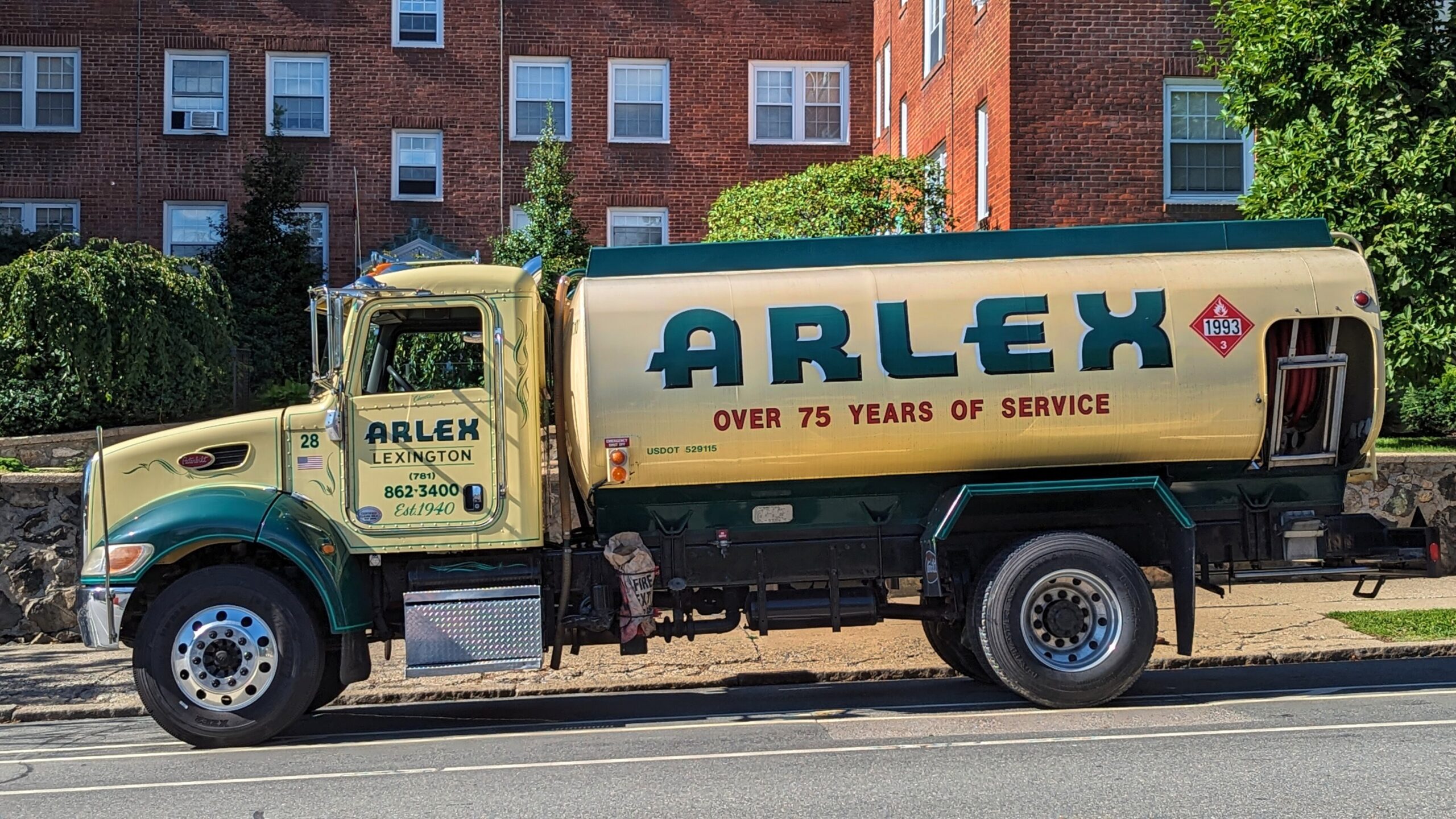
Image: Daderot, CC0, via Wikimedia Commons