We Energies Is Crediting Electric Customers More Than $32 Million on Fall Bills, About $13 to $14 for a Typical Home
At about 2 cents per kilowatt-hour of October electricity use, the utility is putting a credit on residential bills that works out to roughly $13.60 for a home that used 660 kilowatt-hours. Across all electric customers, the company says the credits add up to more than $32 million, and a typical household sees about $13 to $14.
Nobody has to apply. The company announced the credits in early October, and they are appearing on October or November bills depending on each customer’s billing cycle.
How the credit is figured
According to the company’s press release published Oct. 8, residential customers get about 2 cents per kilowatt-hour for October usage. The company’s own example is a household that used 660 kilowatt-hours and receives roughly $13.60.
A home that used half as much electricity in October would see about half the credit, and a home that used more would see more. The company describes the typical residential credit as about $13 to $14, depending on electricity use. The release gives only the residential rate, so the size of the credit for business customers is not stated in it.
Which customers see it, and where
The release says credits are automatic for electric customers, with a few differences in how they show up. Customers on Budget Billing see the credit at their next account review, the point where the company compares actual costs with the estimates that set their monthly payment. Customers in the Energy for Tomorrow program get the credit only on the part of the bill that the program does not supply.
The Public Service Commission’s customer rights page describes budget billing as a way to spread estimated annual use into even monthly payments, readjusted every six months.
Because the credit is tied to October usage, it lands on whichever bill covers that month. Some customers saw it on an October statement and others will see it on a November one, and the November billing cycle is still running. Utilities in other states have announced credits of their own, such as the $14.70 one-time savings on Arizona Public Service bills.
Why the money is coming back
Electric rates include an estimate of what the utility will spend on fuel. When actual costs come in below the amount approved by the Public Service Commission of Wisconsin, customers get the difference. The company says 2025 fuel costs came in below projections, which produced this credit.
In other words, the credit settles last year’s fuel estimate against what the utility actually spent. The release ties the amount to October usage, so a household’s credit follows how much electricity it used that month.
Winter protections for customers behind on bills
A $13 credit does not cover a large past-due balance, and the state’s winter protections matter more for customers in that position. The commission says the winter heating disconnection moratorium runs from Nov. 1 through April 15, and that utilities may not disconnect electric or natural gas service for nonpayment when it is used for home heating, according to its Oct. 22 bulletin. That bulletin lists 1-800-842-4565 as the number for payment arrangements with the utility, and says customers who were already disconnected must make payment arrangements before service is restored.
The bulletin also lists numbers for other Wisconsin utilities: Alliant Energy at 1-800-255-4268, Madison Gas and Electric at 1-800-245-1125, Wisconsin Public Service at 1-800-450-7260 and Xcel Energy at 1-800-895-4999. It tells customers with outstanding bills to contact their utility to pay, set up a payment plan or apply for financial assistance, and to call the commission at 608-266-2001 or file a complaint at psc.wi.gov if no agreement is reached.
The customer rights page adds that a utility may delay a shutoff for up to 21 days in a medical or protective-services emergency and may ask for documentation. A deferred payment agreement requires a down payment on the balance followed by negotiated installments, and missed installments can lead to disconnection.
Where bill help comes from
The Wisconsin Home Energy Assistance Program is taking applications for 2026-27, the Department of Administration said in an Oct. 1 announcement. The state expects to help about 170,000 households, with an average heating benefit of $441 and an average electric benefit of $257. A household may qualify with gross income at or below 60% of the state median, which is $39,864 a year for one person, $52,129 for two and $76,661 for four.
Applications go through 1-866-432-8947 or energybenefit.wi.gov, and the department says crisis energy assistance is available year-round. The state’s energy assistance page also lists Home Energy Plus, which helps repair or replace heating and water heating systems for eligible applicants, and the Weatherization Assistance Program. For comparison, a California utility’s $71.98 November credit shows how much these automatic credits vary from one company to the next.
This article was produced with AI assistance and edited for accuracy against the sources linked above.
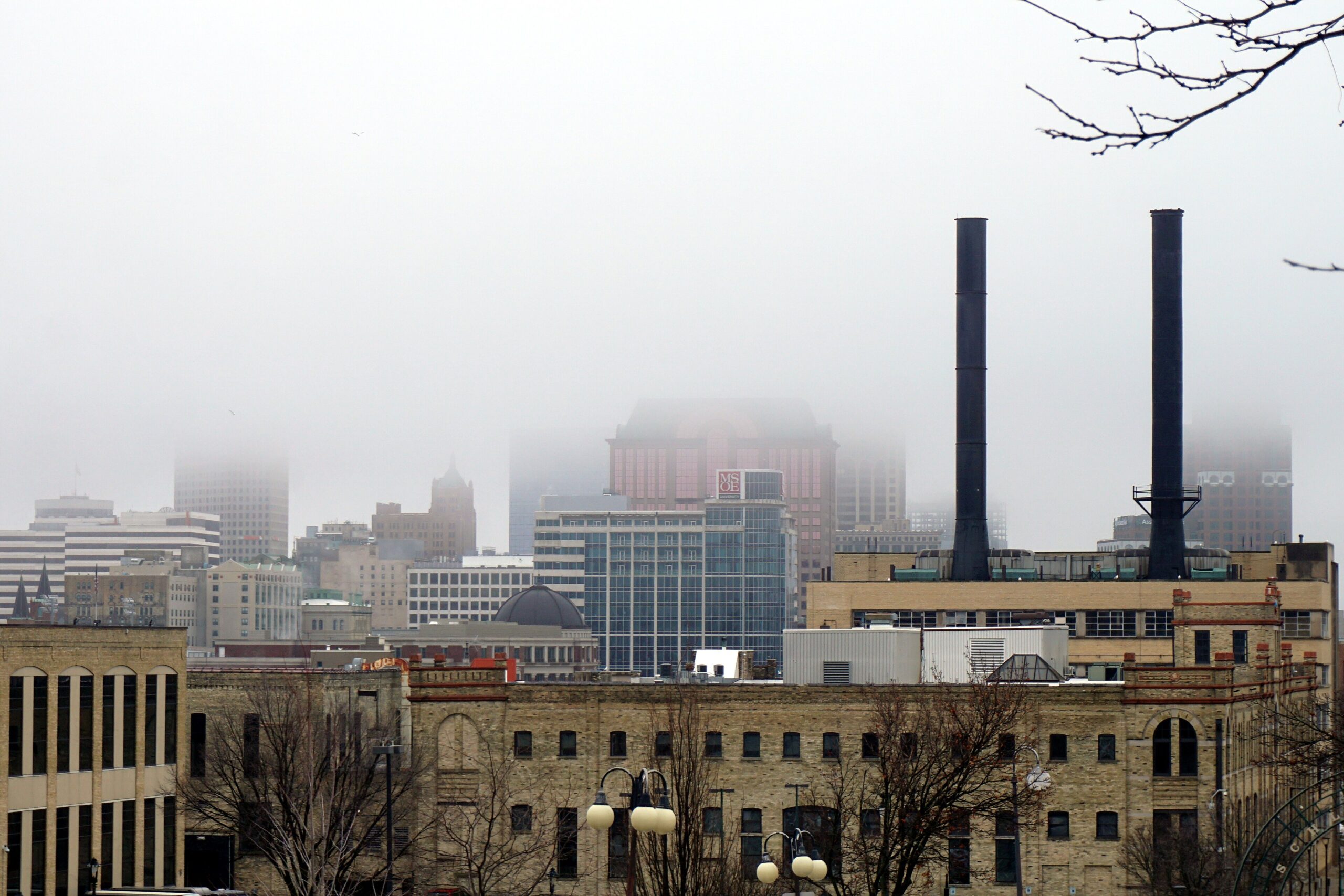
Image: Michael Barera – CC BY-SA 4.0/Wikimedia Commons