Arizona Public Service Customers Get About $14.70 in One-Time Savings on November Electric Bills for the Average Home
Arizona Public Service customers will not pay the usual environmental surcharge on their November electric bills, and a credit comes on top of that. Together, the average residential customer could see one-time savings of about $14.70, according to the Arizona Corporation Commission, which approved the plan unanimously at its Oct. 8 open meeting.
The sources describe the savings as a bill credit that appears on the November statement, not as a check.
How the $14.70 Is Put Together
The commission says the figure combines a credit with the suspension of the monthly Renewable Energy Adjustment Charge, known as REAC, which shows up on residential bills as a roughly $2.49 line called the “Environmental Benefits Surcharge.” The REAC will not be billed on November statements.
APS’s own bill adjustors page lists the November REAC as a negative rate of $(0.030514) per kilowatt-hour, a decrease of $0.036728 per kilowatt-hour, with a credit cap of $12.21. Adding that cap to the $2.49 charge that is not billed gives $14.70, which matches the commission’s figure, though neither page lays out the breakdown that way. The APS page also describes a monthly decrease of about $14 for a typical residential customer using 1,050 kilowatt-hours and does not explain how that figure fits with the cap.
Chairman Nick Myers told the commission, in a quote carried by the Grand Canyon Times, “The average residential customer will therefore see a bill credit of around $15 in November.”
Where the $33.6 Million Came From
The credit uses an uncommitted balance of about $33.6 million in the REAC fund, according to the commission. That balance traces back to the Green Power Partners program, in which commercial and industrial customers voluntarily buy Renewable Energy Credits from APS. Myers described it that way at the meeting, saying those customers “voluntarily purchase RECs from APS.”
Vice Chair Rachel Walden said, “APS was able to monetize some Renewable Energy Credits under their Green Power Partners program.” Commissioner Lea Márquez Peterson said the success of the program “has allowed for a credit to customers’ bills in November,” a statement reported by KTAR, and the commission’s release quotes her saying, “This comes at a good time for residential customers who saw higher bills.”
The commission’s docket for the decision is E-01345A-26-0401.
Who Voted and What Else Was Said
All five commissioners spoke in support: Myers, Márquez Peterson, Walden, Kevin Thompson and René Lopez. Lopez called it “heartening to see that recent decisions” by the commission “are paying off for APS ratepayers.” Thompson said any time the commission and the utilities can act to save ratepayers money “it’s a good day.”
The vote date is reported differently in one local account. YourValley.net says the commission approved APS’s application at its Oct. 7 meeting, while the commission’s own release says the vote came at the Oct. 8 open meeting.
Residential and Business Customers Get Different Amounts
YourValley.net reports that more than $33 million is being returned to customers in total and that the average residential credit is about $14 a customer, with the exact amount depending on energy use. The same account says business customers could save several hundred dollars or more, again depending on how much energy they use, and that the credit is applied through the Environmental Benefits Surcharge.
The commission’s release speaks only to the average residential figure of about $14.70, and the Grand Canyon Times notes that the dollar estimate covers residential customers specifically. Customers with higher or lower usage than the average home will see different amounts.
What the Sources Leave Open
The dollar figure moves slightly from one source to the next. The commission says about $14.70, YourValley.net says about $14, the APS page describes a decrease of about $14 for a typical 1,050-kilowatt-hour home and Myers rounded it to around $15. None of the accounts says how the credit is applied to customers who use very little electricity in November, and the APS page does not mention the suspension of the charge at all.
What the sources do agree on is the timing and the source of the money: the savings arrive on November statements, and they come from the REAC fund balance built up by the Green Power Partners program.
What Changes on Dec. 1
The relief is temporary. The commission says the REAC returns to its previously approved rate on Dec. 1, 2026. APS’s adjustor page says the December rate is $0.006214 per kilowatt-hour, capped at $2.49 a month for residential customers, which is the same $2.49 line that will be missing from November statements.
The Environmental Benefits Surcharge has a second part, the Demand Side Management Adjustment Charge. The APS page says that charge changed in January 2026 to $0.000754 per kilowatt-hour, a decrease of $0.001639, or about $1.73 less per month for a typical residential customer. That change is separate from the November savings.
In short, the calendar runs as follows: the commission voted Oct. 8, the savings appear on November statements, and the surcharge comes back with December usage at the rate APS has posted. The Grand Canyon Times describes the November credit as temporary relief after a period of higher summer usage.
This article was produced with AI assistance and edited for accuracy against the sources linked above.
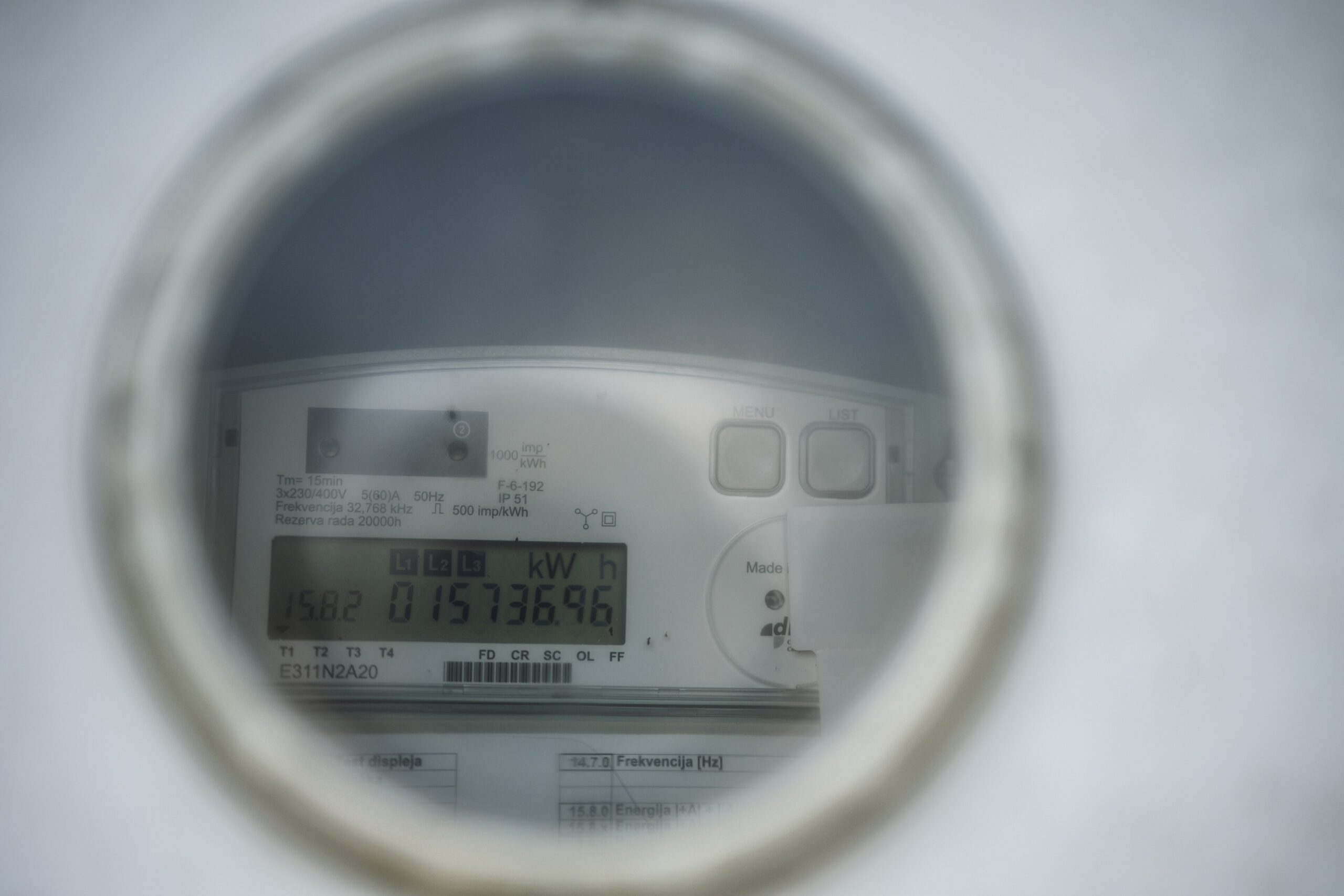
Image: Shixart1985 – CC BY 2.0/Wikimedia Commons