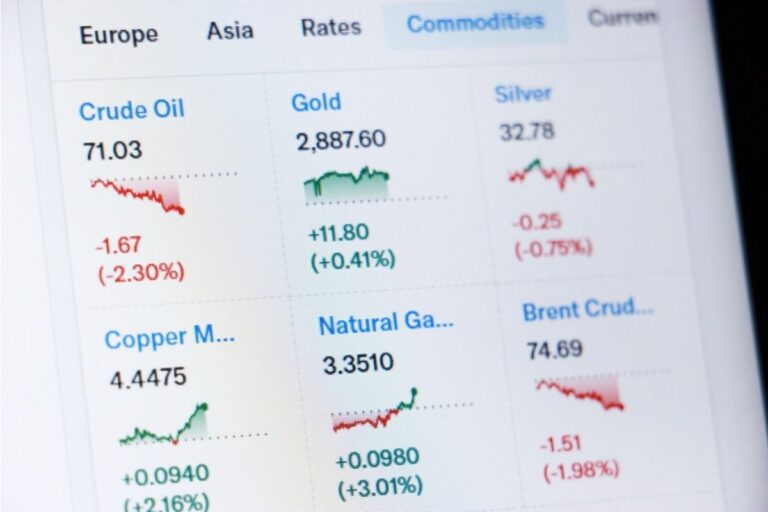
Oil Prices Drop Sharply After Iran Conflict Eases and Consumers Wonder If Cheaper Fuel Will Actually Last
Oil prices are pulling back after tensions tied to the Iran conflict eased, giving consumers hope that fuel costs might finally come down. But the bigger question now is whether this drop is temporary relief or the start of something more stable.
Oil Prices Drop as Risk Premium Fades
During the conflict, oil prices surged largely because of a “geopolitical risk premium.” As tensions ease, that extra pricing begins to unwind. This is why prices can fall quickly after positive developments. Markets are reacting to reduced fear of supply disruption. The drop can happen within days. However, this same mechanism works in reverse if tensions return.
Fuel Prices Don’t Fall as Fast as Oil
Even when crude oil drops, fuel prices at the pump usually take longer to adjust. Refining, transport, and existing inventory all create delays. This means consumers may not feel immediate relief. Price decreases tend to happen gradually rather than instantly. In some cases, prices stabilize before falling significantly. The lag can create frustration for consumers.
Supply Chains Are Still Recovering
The conflict disrupted shipping routes and energy flows, especially around key chokepoints. Even after easing tensions, supply chains don’t reset overnight. It takes time for shipping, contracts, and logistics to normalize. This keeps some upward pressure on fuel costs. Residual disruption can limit how much prices fall. Recovery is a process, not an instant fix.
Inflation Effects May Already Be Locked In
Higher oil prices earlier in the conflict pushed up costs across transport, food, and goods. These increases often remain even after oil prices decline. Businesses rarely reduce prices quickly once they’ve gone up. This means consumers may not see a full reversal in everyday costs. Inflation tends to be “sticky” after energy shocks. The damage can outlast the cause.
Demand and Market Forces Still Matter
Oil prices are influenced by more than just geopolitics. Global demand, production levels, and inventories also play major roles. Even with easing tensions, strong demand or limited supply can keep prices elevated. Some forecasts suggest underlying supply conditions may cap how far prices fall.
This makes long-term price direction less predictable.
Volatility Isn’t Over Yet
Recent developments show how quickly conditions can change. For example, disruptions around the Strait of Hormuz have already reversed price drops in the past.
Markets remain highly sensitive to new headlines. Any renewed escalation could push prices back up. This keeps uncertainty high.
Consumers May See Partial Relief
If lower oil prices hold, fuel costs could ease gradually. This may reduce pressure on transportation and daily expenses. However, the relief is likely to be uneven. Some regions may benefit faster than others. The overall cost of living may not drop significantly. Consumers may feel improvement, but not a full reset.
The Key Question Is Stability
The biggest factor now is whether the situation remains calm. Short-term drops are common after conflicts ease. Long-term price stability depends on sustained peace and steady supply. Markets are still watching closely for signs of disruption. Without stability, price swings will continue. Duration matters more than the initial drop.
Oil prices falling is a positive sign, but it doesn’t guarantee lasting relief. While the immediate pressure may ease, the effects of earlier spikes and ongoing uncertainty mean cheaper fuel may not fully stick, at least not yet.