Digital Budgeting Tools Are Surging in Popularity and Users Say “This Is the Only Way We Stay on Track”
Digital budgeting tools are surging in popularity, and many users say they’ve become the only reliable way to stay on track with money in an increasingly fast-moving, cashless world.
Spending Became Too Easy to Ignore
With cards, apps, and one-click payments, people often lose track of how much they’re actually spending. Small purchases feel invisible in the moment. But they add up quickly over days and weeks. Budgeting tools bring those hidden patterns into view. Awareness changes behavior.
Real-Time Tracking Is Driving the Shift
Instead of waiting for monthly bank statements, users now see expenses instantly as they happen. This immediate feedback helps people adjust on the spot. If spending is too high, they can slow down right away. The delay between action and consequence is gone. That speed is powerful.
Categories Make Spending Clearer
Most tools automatically sort expenses into categories like food, transport, entertainment, and bills. This makes it easier to spot where money is going. Many users are surprised by their top spending areas. Patterns become obvious quickly. Hidden habits are exposed.
Budgeting Feels More Manageable
Instead of tracking everything manually, apps do most of the work automatically. This reduces effort and increases consistency. People are more likely to stick with it when it’s simple. Complexity is no longer a barrier. Convenience improves discipline.
Emotional Awareness Around Money Is Increasing
Seeing spending visually represented can create a stronger emotional response. Some users feel more in control, while others feel shocked at first. Either way, awareness grows. Money becomes less abstract. Decisions feel more intentional.
Saving Goals Become More Concrete
Users can set targets for travel, emergencies, or big purchases and watch progress in real time. This makes saving feel more motivating. Each small deposit feels meaningful. Progress becomes visible. Goals feel achievable.
Overspending Is Easier to Catch Early
Instead of discovering mistakes at the end of the month, users can spot issues immediately. This helps prevent repeated overspending cycles. Corrections happen faster. Financial habits improve gradually. Feedback loops strengthen control.
Not Everyone Finds It Easy at First
Some people find constant financial visibility stressful or overwhelming. It can take time to adjust to seeing every transaction. But many say it becomes normal over time. Familiarity reduces anxiety. Comfort builds with use.
Digital Tools Are Replacing Manual Tracking
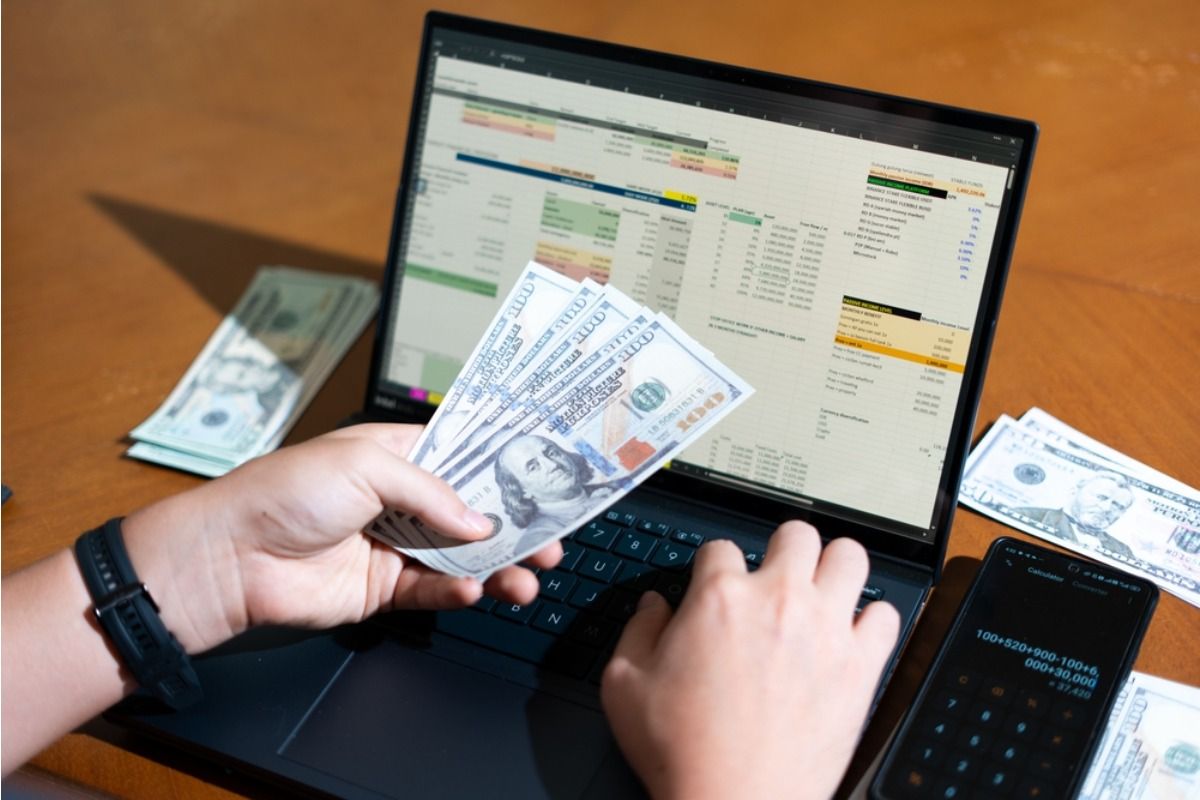
Old methods like spreadsheets or handwritten notes are being replaced by automated apps. People prefer systems that require less effort. Automation increases consistency. Less friction means better results. Technology is simplifying money management.
A Broader Shift in Financial Behavior
This trend reflects a wider change toward active, real-time money management. Instead of reacting after spending, people are monitoring as they go. Control is becoming continuous rather than periodic. Financial awareness is increasing. Habits are evolving.
As digital budgeting tools continue to grow in popularity, users are relying on real-time visibility and automation to stay financially disciplined, turning money management into a daily, active process rather than a monthly review.