Federal Workers and Retirees Have Until Dec. 14 to Switch Health Plans, as Their Share of FEHB Premiums Rises 10.9% on Average
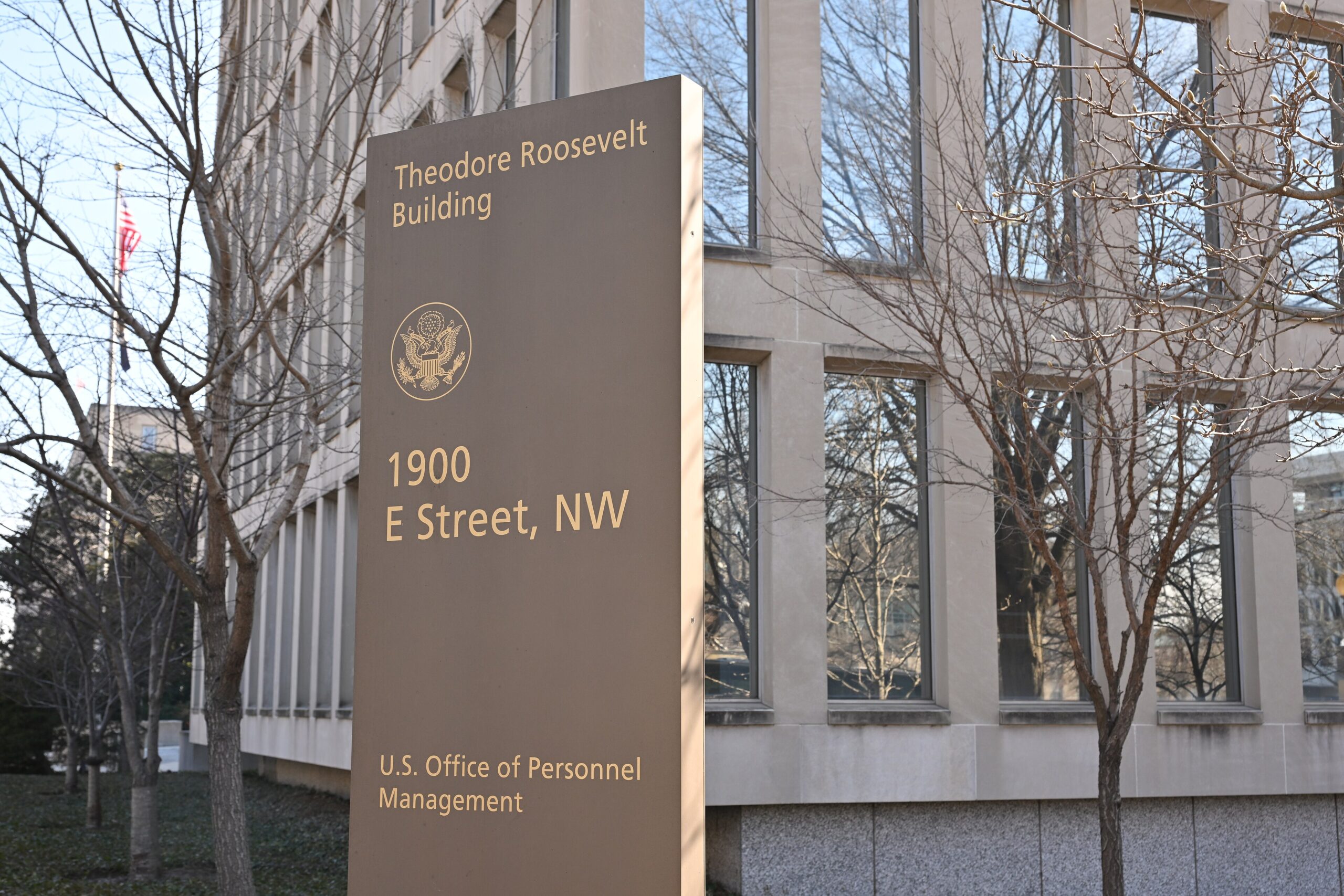
Federal employees, postal workers and federal retirees have until Dec. 14 to change their health coverage for 2027. Whatever plan they hold when the window closes carries into the new year, even as the amount enrollees pay toward Federal Employees Health Benefits premiums rises 10.9% on average.
The Office of Personnel Management’s open season, which began Nov. 9, covers about 7.9 million people, including family members. For anyone in one of the 10 plans closing at the end of 2026, doing nothing means being moved into a default plan they did not pick.
The Dec. 14 Deadline and Who It Covers
OPM’s open season announcement sets the window from Nov. 9 through Dec. 14, 2026. During that time, enrollees can join, switch or cancel coverage in FEHB, the Postal Service Health Benefits program (PSHB), and the dental and vision program known as FEDVIP.
According to OPM’s plan year 2027 highlights, FEHB and PSHB together cover about 7.9 million federal employees, postal employees, certain tribal employees, retirees and their eligible family members.
For retirees, OPM says enrollment changes made during open season take effect Jan. 1, 2027, and cancellations take effect Dec. 31, 2026.
Anyone who is happy with their current plan does not have to act. OPM says FEHB, PSHB and FEDVIP coverage “continues into 2027 with no changes” for enrollees who stay put.
How Much More Enrollees Will Pay
The 10.9% figure is the average increase in the enrollee’s share of FEHB premiums, down from 12.3% for 2026, OPM’s highlights show. The overall FEHB premium, including the government’s portion, rises 9.3% on average.
Postal plans are rising less. The PSHB enrollee share climbs 8.2% on average, down from 11.3% last year, with an overall premium increase of 6.7%. Dental and vision premiums are up about 1% and 1.6%, according to FEDweek.
OPM attributed the increases to “rising prices and utilization across inpatient, physician, outpatient, and surgical services,” along with growth in mental health care and higher spending on drugs such as GLP-1s, FEDweek reported.
Averages can hide big swings from plan to plan. A FEDweek analysis for retirees gave a worked example: a retiree with a $2,800 monthly FERS annuity paying $350 a month toward premiums would lose about $38 a month of their gain to a 10.9% increase. The same analysis lists the 2027 monthly government contribution caps at $762.75 for Self Only, $1,662.98 for Self Plus One and $1,828.28 for Self and Family.
The squeeze is sharper for some retirees. FERS retirees under 62 generally get no cost-of-living raise, FEDweek noted, so a higher premium comes straight out of an annuity that is not growing. Survivor annuitants, most disability retirees and special-provision retirees are the exceptions. For lower-cost plans, the government pays 75% of the premium, so enrollees cover 25% of any increase.
Ten Plans Are Closing, and Their Members Get a Default
Nine FEHB plan options and one PSHB plan are being discontinued for 2027. OPM’s significant events tables say enrollees in a plan leaving the program must make an election during open season, or they will be placed in Compass Rose Health Plan Standard, which OPM identifies as the lowest-cost nationwide option for 2027.
FEDweek reported that the closing FEHB options include Independent Health’s Standard and high-deductible plans and several Health Net of California and UnitedHealthcare plans. On the postal side, members of the UnitedHealthcare Choice Plus Primary Postal East plan who don’t choose will be moved to Blue Cross and Blue Shield’s FEP Blue Focus.
OPM also flags plans that are shrinking their service areas without closing. Enrollees in dropped areas who don’t switch will have only emergency coverage where they live and would have to travel to the plan’s remaining area for full benefits.
Other Changes to Check Before Dec. 14
Flexible spending accounts do not roll over on their own. OPM says FSAFEDS participants “must make a new election each year” to keep the benefit in 2027. A new FSAFEDS Visa card will let account holders pay for eligible medical, pharmacy, dental and vision costs at the register.
Anyone adding a spouse or child during open season now has to submit documents proving that family member is eligible, OPM’s highlights say.
Coverage rules for weight-loss drugs are tightening as well. Carriers will require documented participation in intensive behavioral therapy before and during treatment with anti-obesity medication. Recommended vaccines remain fully covered at in-network providers.
Federal retirees who also have Medicare are facing a separate increase, with the standard Part B premium set at $209.40 a month for 2027, as covered in the 2027 Part B premium story. Medicare’s own open enrollment ends Dec. 7, a week before the federal deadline, and several big Medicare plans are also ending, as detailed in the list of Medicare plans closing Dec. 31.
OPM posts each plan’s exact 2027 premiums and benefit brochures on its website, and the analysis from FEDweek urges retirees to compare their own plan’s change rather than relying on the 10.9% average, then check the January 2027 annuity statement against the new premium.
This article was produced with AI assistance and edited for accuracy against the sources linked above.
Image: G. Edward Johnson – CC BY 4.0/Wikimedia Commons