Junior Enlisted Troops Are in Line for a 7% Pay Raise on Jan. 1 Under the President’s 2027 Pay Plan
The youngest and lowest-paid members of the military are lined up for the largest raise in the 2027 plan. Under the President’s 2027 pay plan, troops in grades E-1 through E-5 get a 7% increase in basic pay on Jan. 1, while mid-grade enlisted members and junior officers get 6% and senior officers get 5%.
The plan is already on file with Congress. Lawmakers can still replace it with a different number in the annual defense bill, which the House and Senate have not finished, and the Senate’s version calls for less.
What the President’s Pay Plan Sets for Jan. 1
The raise comes from an alternative pay plan the President sent to the Speaker of the House on Aug. 26, 2026, published as House Document 119-189. It sets monthly basic pay increases for members of the Armed Forces, effective Jan. 1, 2027, at:
- 7.0% for grades E-1 to E-5
- 6.0% for grades E-6 to O-3
- 5.0% for grades O-4 and above
The same document gives a smaller 3.6% raise to uniformed service members outside the Armed Forces, such as the commissioned officers of the Public Health Service and NOAA.
The Defense Department says the tiered raise works out to an average of 6.2% across the force, according to a July analysis by the Congressional Research Service. The budget request set aside $5.8 billion to pay for it.
What 7% Means on a Paycheck
For the most junior troops, the gain is real money. A private in grade E-1 with more than four months of service earns about $2,407.20 a month in basic pay this year, according to Military.com’s 2026 pay charts. A 7% raise on that amount works out to about $168.50 more a month, or roughly $2,022 over a full year.
The same charts list $3,946.80 a month for an E-5 with more than four years of service. At 7%, that sergeant or petty officer would take home about $276 more a month before taxes, or more than $3,300 over 2027.
Higher ranks get a smaller percentage, but because their base pay is larger, the dollar increase can still be bigger. The plan’s tiers put the biggest percentage at the bottom of the enlisted scale, where monthly pay is lowest.
Basic pay is only one part of military compensation. Housing and food allowances are set separately and are not covered by this plan. Special pays are handled elsewhere in the defense bill; the Senate committee summary, for example, raises the maximum amounts for hostile fire and imminent danger pay.
The Pentagon’s budget request reflects the scale of the change. CRS reported that the 2027 military personnel request totals $205.1 billion, about $8.3 billion more than the 2026 request.
Congress Can Still Change the Number
Military pay raises normally follow a formula in Title 37 of federal law, section 1009, that ties them to private-sector wage growth measured by the Employment Cost Index. For 2027, that formula produces 3.6%, CRS said.
The same law lets the President set a different raise by sending Congress an alternative plan when “national emergency or serious economic conditions affecting the general welfare” make the formula figure inappropriate, according to CRS. That is what happened in August. The tracker FedInfo notes that the plan “takes effect January 1, 2027 unless Congress sets a different raise.”
Congress has two versions on the table. The House passed its defense bill, H.R. 8800, on July 22 by a vote of 216 to 212, and it backs the same 7%, 6% and 5% tiers. The Senate Armed Services Committee’s bill, according to its executive summary, “authorizes a 3.6 percent pay raise for all military members.”
The Senate has not passed its bill. The tracking site NDAA.ai says the expected path is a compromise text worked out by Armed Services leaders in December, with current funding expiring Dec. 11 and the defense authorization running through Dec. 31.
Why Military Groups Are Watching the Final Bill
The Military Officers Association of America has urged lawmakers to keep pay equal across all eight uniformed services as they finish the bill. In an Oct. 14 update, the group pointed out that the President’s plan gives Public Health Service and NOAA officers 3.6% while the Armed Forces get 5% to 7%.
For service members and their families, the practical point is timing. If Congress does nothing to override it, the President’s plan sets the raise on Jan. 1. If the final defense bill writes in a different figure, that number would take its place.
Military retirees are on a separate track. Their retired pay rises with the Social Security cost-of-living adjustment, as covered in the 2027 military retiree raise, and their December deposits follow the schedule in the two December payment dates.
FedInfo notes that the Defense Finance and Accounting Service posts new pay tables only after the raise is final, so the official 2027 charts are expected once Congress settles the defense bill.
This article was produced with AI assistance and edited for accuracy against the sources linked above.
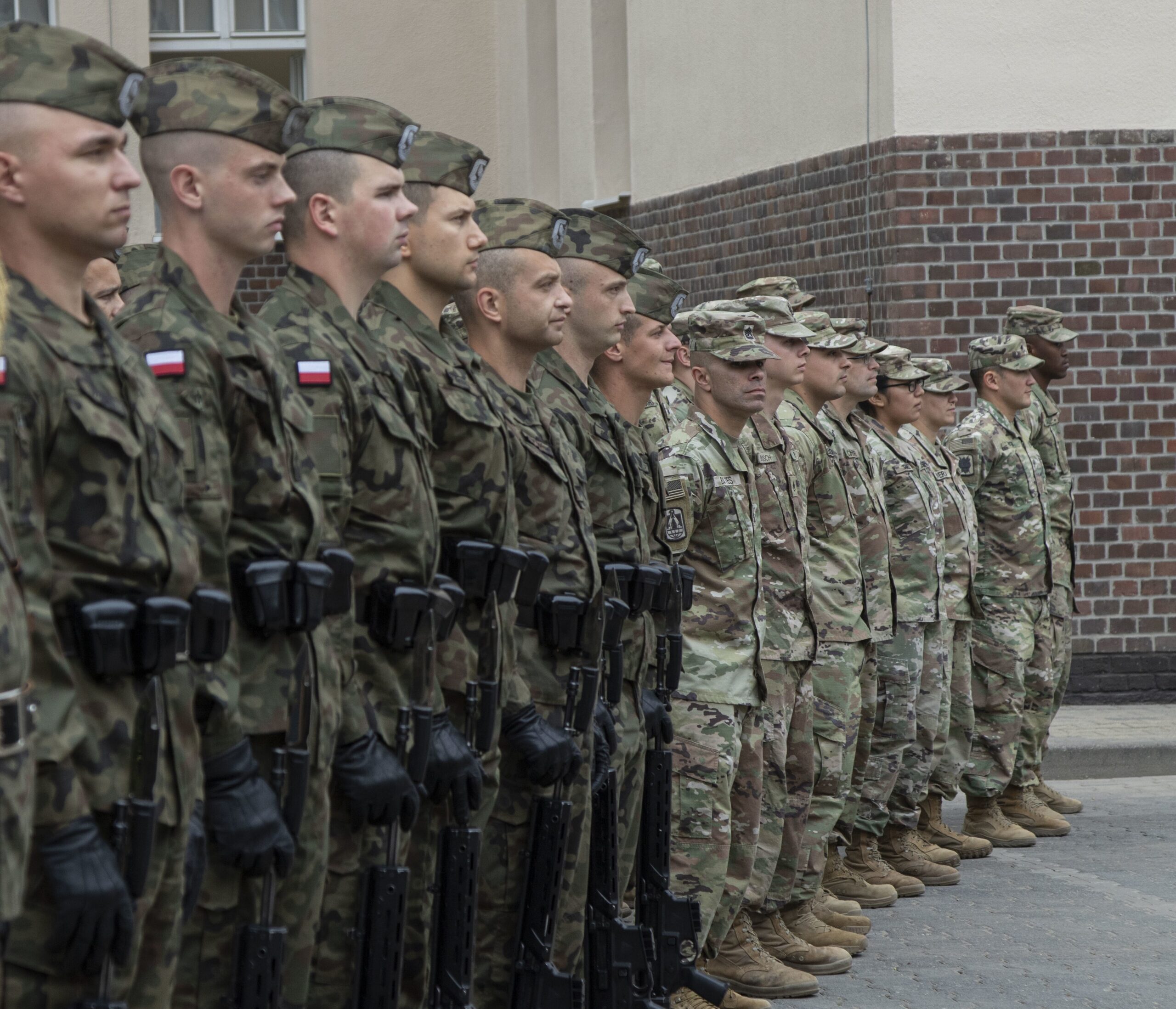
Image: Photo by Spc. Garrison Waites, 5th Mobile Public Affairs Detachment – Public domain/Wikimedia Commons