Medicare Open Enrollment Ends Dec. 7, and Medicare.gov Lists a $50 Monthly Copay for Certain GLP-1 Weight-Loss Drugs Under Part D
A person on Medicare who wants to change a health or drug plan for 2027 has until Dec. 7, and Medicare.gov uses the same front page to advertise a separate benefit: a $50 copay for a monthly supply of certain GLP-1 weight-loss drugs. The site says Medicare covers those drugs for people who have Medicare drug coverage (Part D), are not already getting them covered by Part D and meet other requirements.
The $50 price is in effect now. It comes from a temporary program called the Medicare GLP-1 Bridge, which started July 1, 2026 and, according to the Centers for Medicare & Medicaid Services, runs through Dec. 31, 2027. The program is open to people who have Part D coverage, but CMS describes it as operating outside the Part D benefit itself, and the two deadlines run on different clocks.
What the $50 buys, and which drugs are on the list
The Medicare.gov home page says: “It’s Open Enrollment – now to December 7,” and tells visitors to find and compare 2027 health and drug plans. Beside it, the GLP-1 notice says people will pay a $50 copay for a monthly supply. The home page does not name a year or a start date for the copay.
The Medicare.gov GLP-1 Bridge page fills in the details. It says that starting July 1, 2026, Medicare covers three products through the program: Foundayo tablets, Wegovy injection or tablets, and the Zepbound KwikPen. The copay is $50 per one-month supply, which the page defines as 28 or 30 days depending on the drug.
The program is available nationwide to people with Part D coverage, including standalone prescription drug plans, Medicare Advantage plans with drug coverage, special needs plans, employer group waiver plans and the Limited Income Newly Eligible Transition program, according to the page.
Who qualifies, according to Medicare.gov
A person has to be 18 or older and meet one of three body-mass-index tests when starting therapy. The page lists a BMI of 35 or higher; a BMI of 30 or higher plus diastolic heart failure, uncontrolled high blood pressure or chronic kidney disease stage 3a or higher; or a BMI of 27 or higher plus prediabetes, a prior heart attack or stroke, or peripheral artery disease with symptoms.
People are not eligible if their Part D plan already covers GLP-1 drugs for them, or if they have type 2 diabetes, moderate-to-severe sleep apnea or fatty liver disease. In those cases, the page says, the Part D plan might still cover GLP-1s. Medicare.gov’s separate page on obesity screening and counseling repeats the Bridge’s $50 monthly copay and notes that Part B covers behavioral counseling for people with a BMI of 30 or more.
What the copay does not do
The $50 sits outside the usual Part D math. Medicare.gov says it does not count toward the Part D deductible or out-of-pocket limit, does not appear on the Part D explanation of benefits or the Medicare Summary Notice, cannot be lowered by Extra Help and cannot be spread out under the Medicare Prescription Payment Plan.
That matters because the ordinary Part D numbers are different. Medicare.gov’s Part D costs page lists a maximum deductible of $700 in 2027, up from $615 in 2026, and an out-of-pocket limit of $2,400 in 2027, up from $2,100 in 2026. Its Extra Help page says that in 2027 the program lowers plan premiums and deductibles to $0 for people who qualify, but the Bridge copay is not one of the costs it reduces.
CMS explains why in its GLP-1 Bridge page, last updated July 13, 2026. The Bridge operates outside the Part D benefit’s coverage and payment flow, so Part D plan sponsors bear no financial risk for the drugs and do not need to opt in. The program provides no low-income subsidy, it says, and in 2026 a single central processor handles prior authorization, claims and pharmacy payments.
How a prescription becomes coverage
Medicare.gov lays out five steps. A doctor or provider sends a prescription for a covered GLP-1 drug to the pharmacy. The provider completes a prior authorization when asked and certifies that the drug is part of a diet-and-exercise lifestyle program. The pharmacy may ask for a Medicare number or the last four digits of a Social Security number, and a mailed letter then confirms coverage under the Bridge.
Questions about eligibility or prior authorization status go to 1-800-MEDICARE (1-800-633-4227), or TTY 1-877-486-2048.
Why Dec. 7 and Dec. 31, 2027 are different deadlines
Open Enrollment is the window to change plans for the coming year. The Bridge has its own end date. The CMS BALANCE Model page, last modified Sept. 29, 2026, says the Bridge “has been extended through December 31, 2027,” and describes Part D participation in BALANCE as a potential future step. CMS says on its Bridge page that the extension gives it time to collect GLP-1 use data for Part D sponsors before any possible BALANCE implementation.
The Medicare.gov page calls the Bridge a temporary program and says a prior authorization stays valid through Dec. 31, 2027, including for refills and dose changes, unless the patient changes GLP-1 drugs. It does not say what happens to coverage after that date. The site’s earlier report on Medicare’s negotiated price for Ozempic, Rybelsus and Wegovy covers a separate price change that takes effect Jan. 1.
Get stories like this by email. Sign up for The Parent Diaries Letter.
This article was produced with AI assistance and edited for accuracy against the sources linked above.
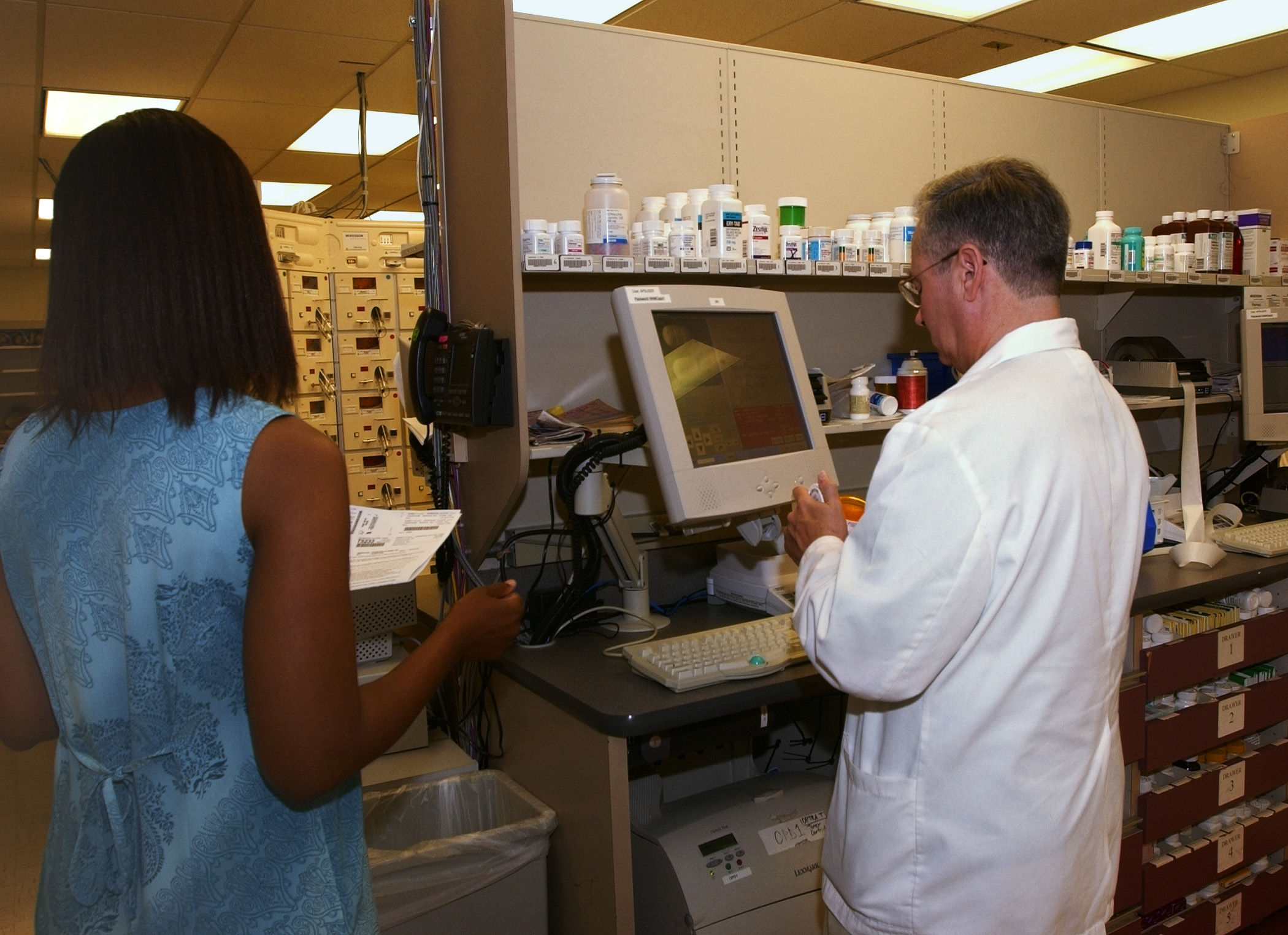
Image: U.S. Navy photo by Chief Warrant Officer 4 Seth Rossman. – Public domain/Wikimedia Commons