Montana Won’t Approve Winter Heat Shutoffs for Homes With Someone 62 or Older, Through April 1
When the thermometer outside a Billings or Missoula home reads 20 degrees at 8 a.m., the question for a household behind on its gas bill is whether a utility truck is coming. In Montana, for any home where someone is 62 or older, the state’s answer through April 1 is that it won’t sign off on one, as long as the utility has been told.
The Montana Public Service Commission says it does not approve winter shutoffs for nonpayment when a member of the household is at least 62 years old or handicapped, or when the customer is unable to pay. And from Nov. 1 to April 1, a regulated utility can’t shut off gas, underground propane or electric service to a home for nonpayment at all without the commission’s prior approval.
Freezing Mornings and the Nov. 1 to April 1 Window
The protection has two layers, both written into the state’s utility rules. The commission’s consumer summary of its deposit and shutoff rules puts the first one simply: “From November 1 to April 1, a regulated utility may not shut off gas, underground propane, or electric residential service” for nonpayment “without prior Commission approval.”
The second layer is tied to the weather. The rule itself, Administrative Rules of Montana 38.5.1410, covers the Nov. 1 to April 1 period and also “any day when the reported ambient air temperature at 8:00 a.m. is at or below freezing,” or when the U.S. Weather Service forecasts a snowstorm or freezing temperatures for the next 24 hours. On those days, a residential customer can’t be disconnected if they show they are unable to pay, or can only pay in installments, or that they or a household member is at least 62 or handicapped.
That weather trigger means an early-October cold snap or a late-April freeze can bring the same protection for qualifying households, even outside the winter window.
Montana’s rule works differently from the cold-weather rules in the upper Midwest. Minnesota’s cold weather rule runs through April 30 for homes on a payment plan, and Wisconsin bars heat shutoffs until April 15. Montana’s version turns on who lives in the home.
Who Counts as Protected
NorthWestern Energy’s natural gas tariff rule on termination of service, filed under the commission’s rules, spells out the three groups:
- Age 62 or older: any residential customer at least 62 who lives at the service address. The commission’s rules extend this to any household member that age.
- Handicapped: a person at the address with a physical or mental impairment that substantially limits one or more life activities, certified by a licensed physician, psychiatrist or psychologist, or by certain agencies.
- Unable to pay: a residential customer who receives public assistance or whose income is at or below federal poverty guidelines.
The commission’s winter moratorium explainer lists each condition separately, so any one of them is enough. It also says that having children in the home does not, by itself, protect against a winter disconnection.
A separate medical rule covers everyone else. Under the same NorthWestern tariff, service can’t be shut off when a physician or local board of health certifies in writing that losing it would aggravate a medical emergency. Those certificates last 30 days and can be renewed each month.
Telling the Utility Before the Crew Comes
The protection isn’t automatic. “It is the customer’s responsibility to inform the utility if one or more of these circumstances exist in the household,” the commission says, and the explainer adds that this has to happen before the disconnection. The utility will likely ask for documentation, such as proof of age or a certification of disability.
For NorthWestern Energy customers, the Montana customer line is 888-467-2669. The company says on its payment assistance page that it can help set up a payment arrangement or extend a due date, and it advises reaching out before the bill is due. Montana-Dakota Utilities customers can call 800-638-3278.
Not every Montana home is covered. The commission’s FAQ says the winter rules apply to companies it regulates, and that companies it doesn’t regulate set their own rules, which may allow disconnection at any time of year. The explainer names cooperatives and propane distributors as examples. Customers of a co-op or a propane dealer have to ask that company directly what it allows. Complaints about a regulated utility go to the commission’s Consumer Assistance line at 1-800-646-6150 or 406-444-6150, or [email protected].
LIEAP and Energy Share Before April
A blocked shutoff doesn’t shrink the balance. Whatever builds up through March is still owed, and protected households can face collection once the window closes. Montana’s help for the bill itself comes mainly from two places.
The first is the Low Income Energy Assistance Program, run by the Montana Department of Public Health and Human Services. It pays toward heating costs from Oct. 1 through April 30. For the 2026-27 program year, the income limit is 60% of state median income, which works out to $36,120 a year for a one-person household and $47,234 for two. Households on SNAP, SSI or TANF may qualify automatically. Applications can be filed at any time online at apply.mt.gov or through local and tribal offices, and the state division can be reached at 406-444-1788.
Some utilities add their own discount. A February 2026 Montana-Dakota Utilities brochure says customers approved for the program can get up to a 30% discount on their MDU bill.
The second is Energy Share, a private nonprofit that helps with energy emergencies. According to the commission’s financial assistance page, Energy Share looks at a household’s whole situation, not just income, so it may help people who don’t qualify for state aid. Its statewide line is 888-779-7589, and local Human Resource Development Councils can also take requests. Other states draw a fixed temperature line, like Kansas’s 35-degree forecast rule, but in Montana the fastest protection for an older household is a phone call to the utility before April 1.
This article was produced with AI assistance and edited for accuracy against the sources linked above.
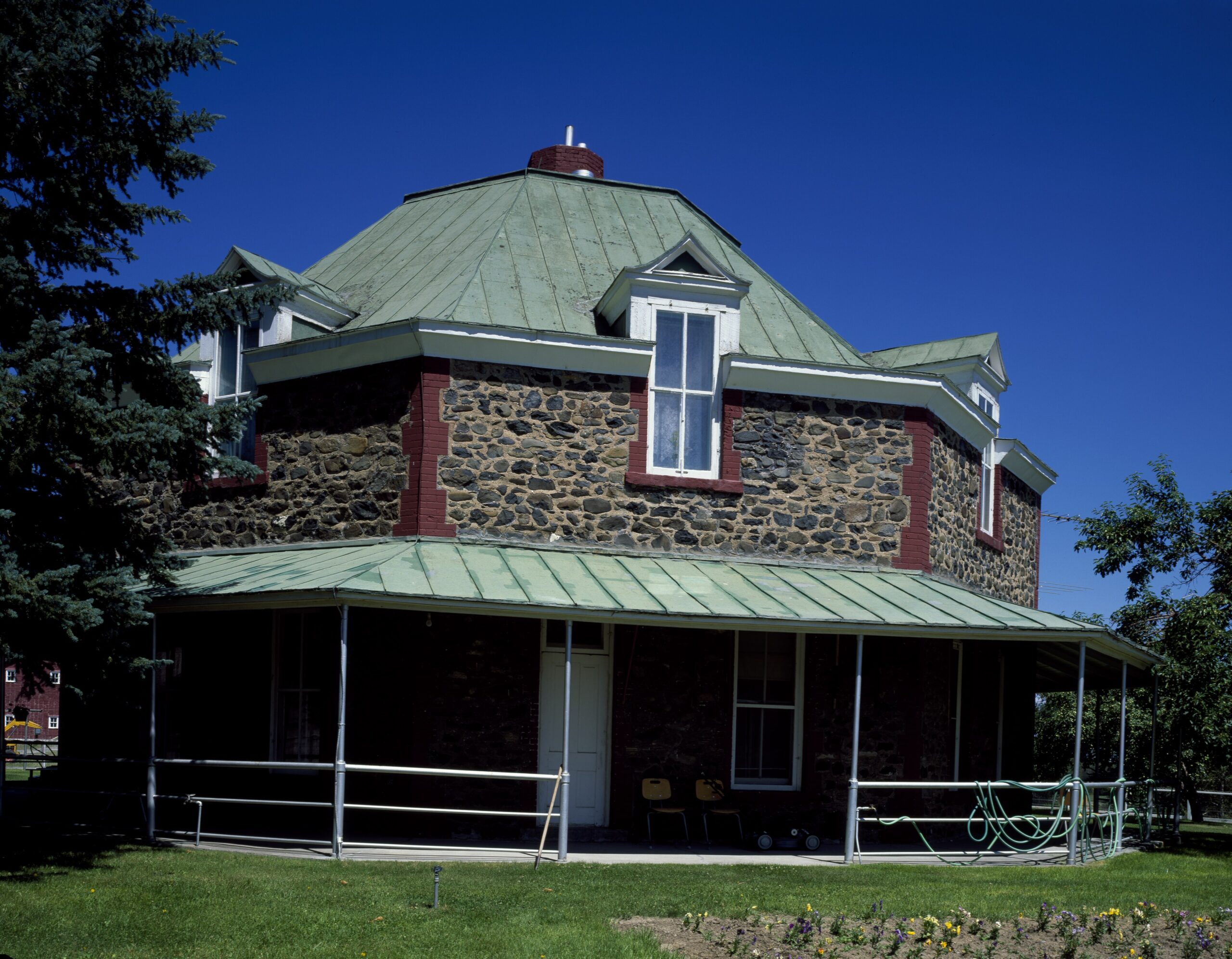
Image: Carol M. Highsmith – Public domain/Wikimedia Commons