Kansas SNAP Will Stop Paying for Candy and Soft Drinks on Feb. 15, 2027, and the State’s Definition Covers Sodas Made With Artificial Sweeteners Too
Kansas families who use SNAP food assistance have a little over three months before candy and soft drinks drop off the list of things their benefits can buy. The restriction starts Feb. 15, 2027, and the way Kansas wrote its rule reaches further than some states that went first: its definition of a soft drink covers beverages made with artificial sweeteners, not only sugar.
That means the zero-sugar soda that still rings up on a SNAP card in some other states is expected to be off-limits at Kansas checkouts once the change takes hold.
The Date and the Federal Approval
The federal Food and Nutrition Service lists Kansas on its SNAP food restriction waiver page, last updated Nov. 3, 2026, with an implementation date of Feb. 15, 2027 and two restricted categories: candy and soft drinks.
The agency’s Kansas waiver page shows the approval letter was dated March 4, 2026, signed by Agriculture Secretary Brooke L. Rollins and addressed to Gov. Laura Kelly and Laura Howard, secretary of the Kansas Department for Children and Families. The approval runs for two years.
Kelly announced the approval the same day. “Today, Kansas joins 21 other states in implementing restrictions on candy and soda purchases with SNAP dollars,” the governor said in a statement from her office. Kelly said she has “always supported policies that incentivize healthy eating,” and pointed to the state’s removal of its sales tax on food. The release said the Feb. 15 start date was recommended by the USDA to avoid putting the restrictions in place during the 2026 holiday season.
The waiver did not start as the governor’s idea. The Kansas Reflector reported that lawmakers passed a law the year before requiring the administration to seek it. Kelly vetoed that bill, and Republican supermajorities in the House and Senate overrode her veto.
Legislative leaders cheered the approval. Senate President Ty Masterson said, “Kansas is now a part of the MAHA (Make American Healthy Again) movement.” House Speaker Dan Hawkins called it a “significant step toward ensuring taxpayer-funded food assistance programs prioritize nutrition,” and said taxpayer dollars should “support real nutrition, not pop and candy.”
What Kansas Counts as Candy and Soft Drinks
The Kansas Department for Children and Families spells out both categories on its waiver page.
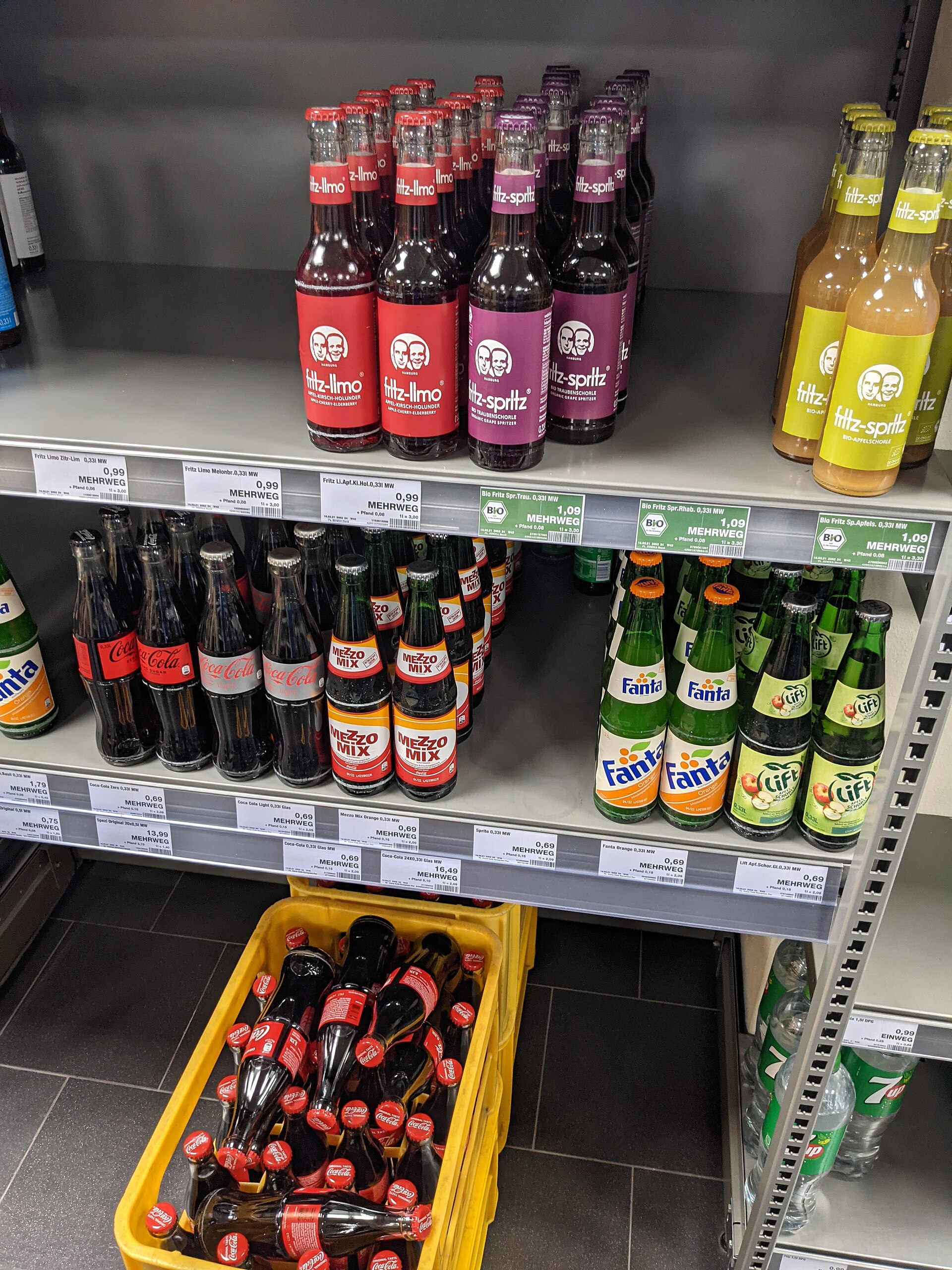
Soft drinks are nonalcoholic beverages that contain natural or artificial sweeteners. Two kinds of drinks are carved out: those containing milk or milk substitutes, and those that are more than 50% vegetable or fruit juice by volume.
Candy is sugar, honey or other natural or artificial sweeteners combined with chocolate, fruits, nuts or other ingredients or flavorings, in bar, drop or piece form. Products that contain flour and need no refrigeration are excluded from the definition.
DCF says the restriction applies to both SNAP Food Assistance and SUN Bucks, the summer grocery benefit for children. Fruits, vegetables, grains, meat, dairy, and seeds and plants for growing food at home remain eligible, along with other staples.
Why Diet Soda Is the Big Difference
The phrase “natural or artificial sweeteners” is what sets the Kansas rule apart. Because the soft drink definition is built on sweeteners of any kind rather than on sugar content, a can of diet or zero-sugar soda falls inside it unless it fits one of the milk or juice exceptions.
Other states drew the line differently. South Carolina, whose restrictions began Nov. 1, still allows diet and zero-sugar soft drinks, as covered in the South Carolina SNAP change. Montana’s rule targets drinks above a sugar threshold, which is laid out in the Montana restriction. Neighboring Missouri, which starts its own restrictions the same day as Kansas, uses a sugar test for soft drinks too: its approved definition covers sweetened drinks with more than 10 grams of sugar per serving.
For a Kansas household that buys a 12-pack of diet soda on its EBT card today, that purchase is expected to stop working on Feb. 15.
What Happens Next
The Food and Nutrition Service list shows Kansas among the states with a start date still ahead, alongside Wyoming on Feb. 1, 2027, Missouri on Feb. 15, 2027 and Hawaii on April 1, 2027. A federal court ruling on June 22, 2026 blocked the waivers of five other states, Colorado, Iowa, Nebraska, Tennessee and West Virginia, according to the running record of state SNAP waivers; Kansas was not one of them, and its date remains on the federal list as of this month.
The Reflector reported that DCF was seeking a contractor to help put the change in place, and that the waiver requires communication to retailers and recipients along with evaluation, monitoring and compliance. Kelly urged the USDA to reduce the “confusion and uncertainty” the rules have created for retailers and recipients, noting that products that look like candy may not meet the legal definition. She pointed to Louisiana, where soda made with cane sugar is still allowed, as an example of how far the rules can differ from state to state.
Kansas is borrowing its definitions from existing state food and sales tax law, according to the Reflector, rather than writing new ones from scratch. The candy and soft drink definitions on the DCF page match that tax-law language, so the rule rests on terms already on the books in Kansas rather than a new standard written for SNAP.
The waiver changes what SNAP dollars can buy, not how many dollars a household receives. The definitions above, from the DCF waiver page, are the ones Kansas retailers and shoppers will be working from on Feb. 15, 2027.
Get stories like this by email. Sign up for The Parent Diaries Letter.
This article was produced with AI assistance and edited for accuracy against the sources linked above.
Image: Anselm Schüler – CC BY-SA 4.0/Wikimedia Commons